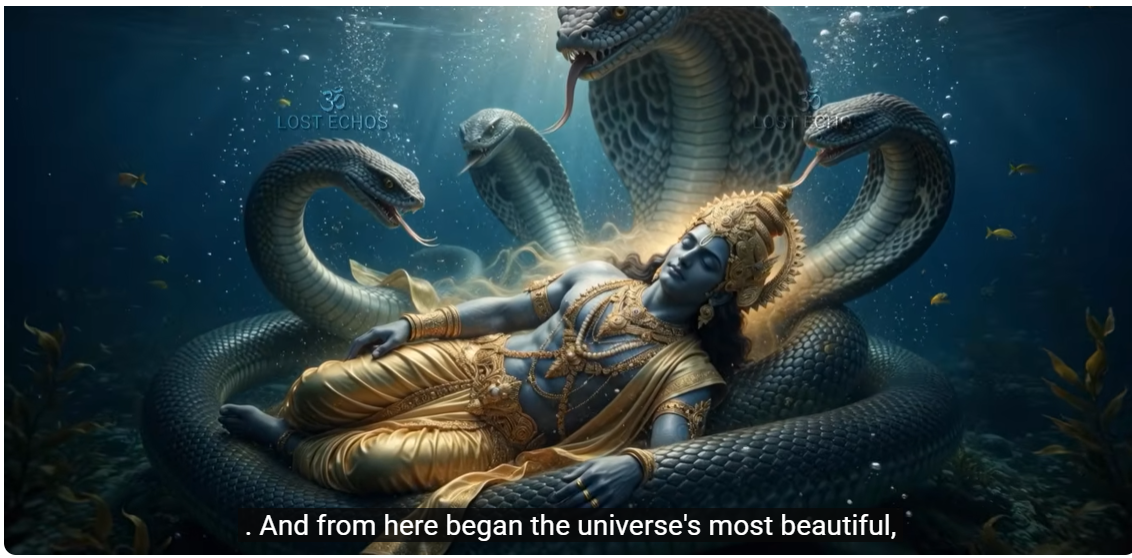
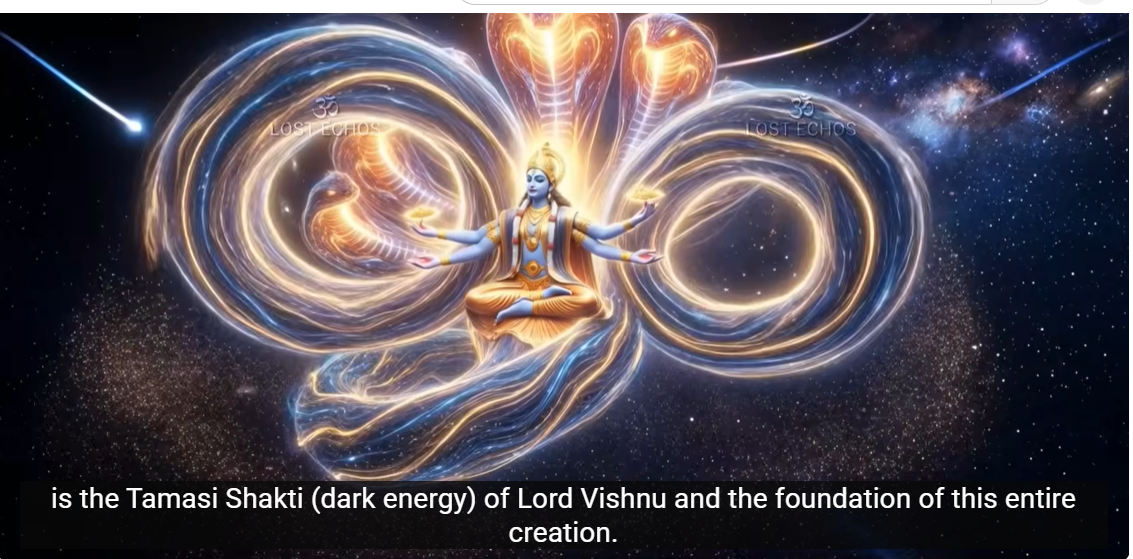
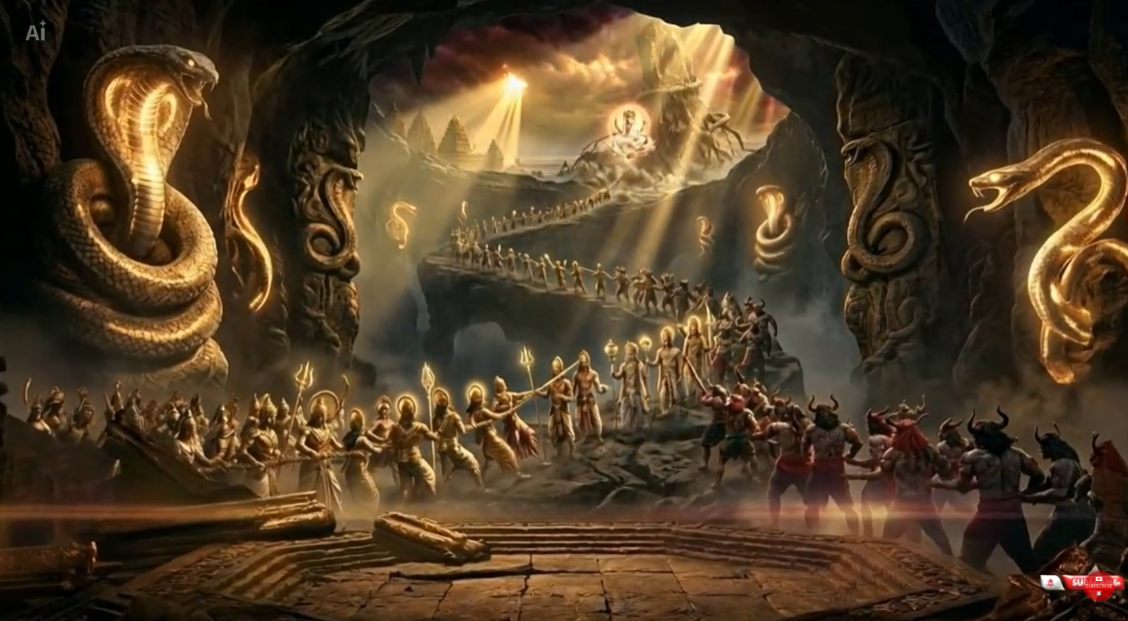
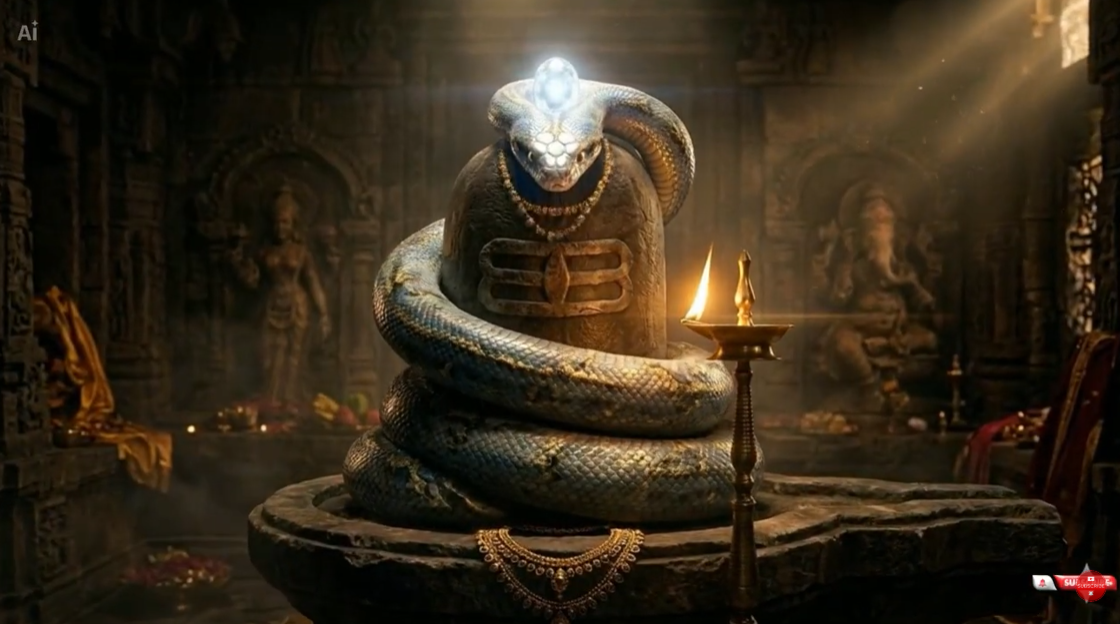
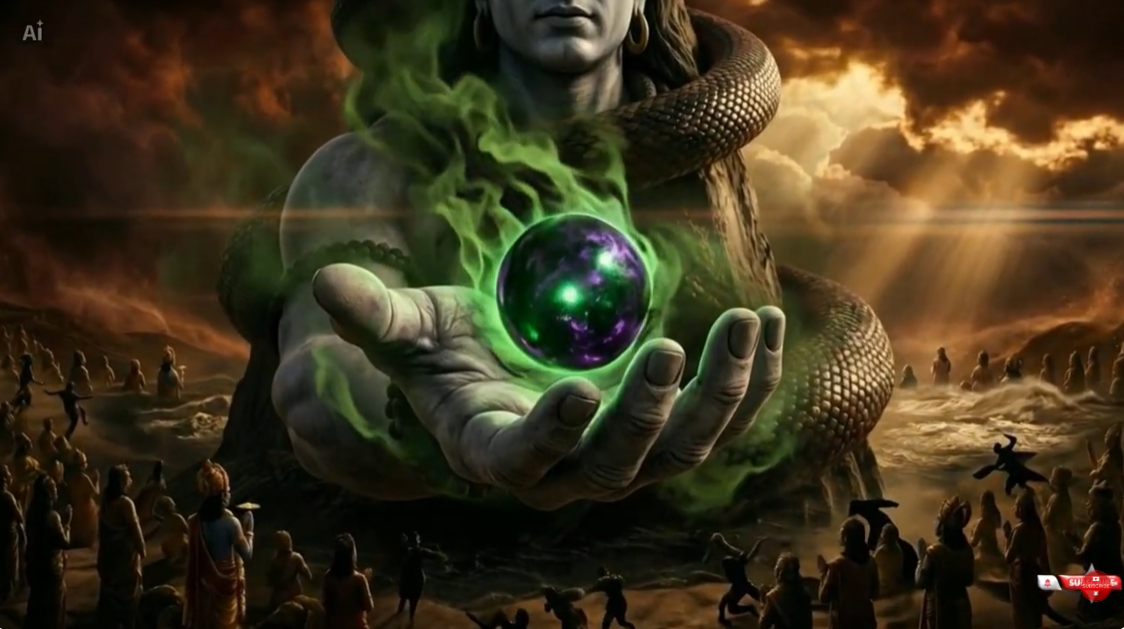
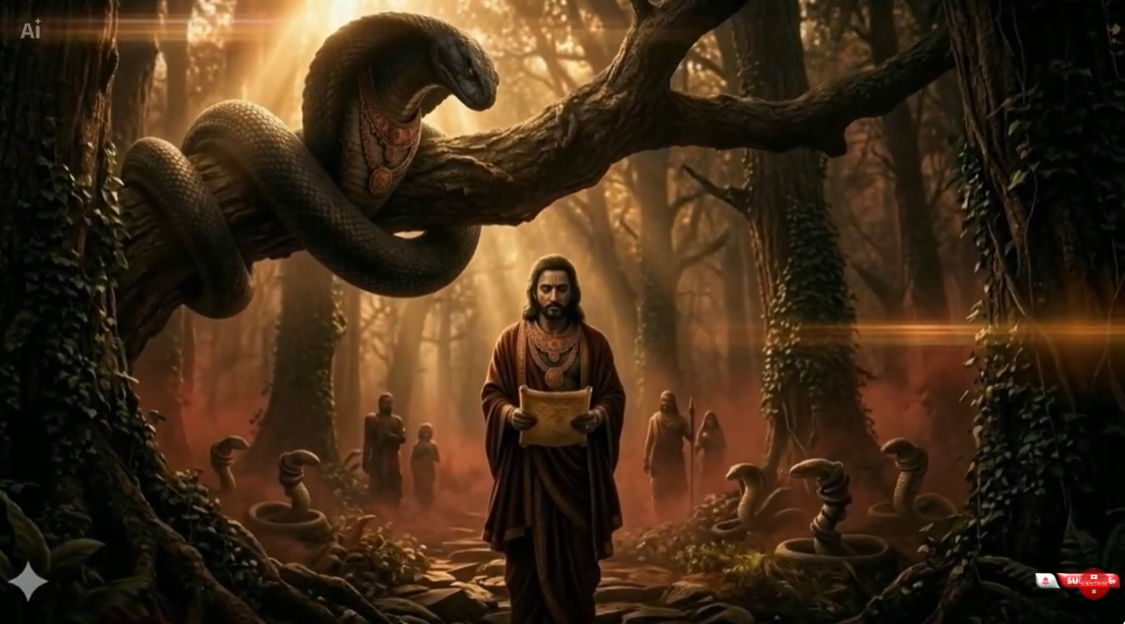
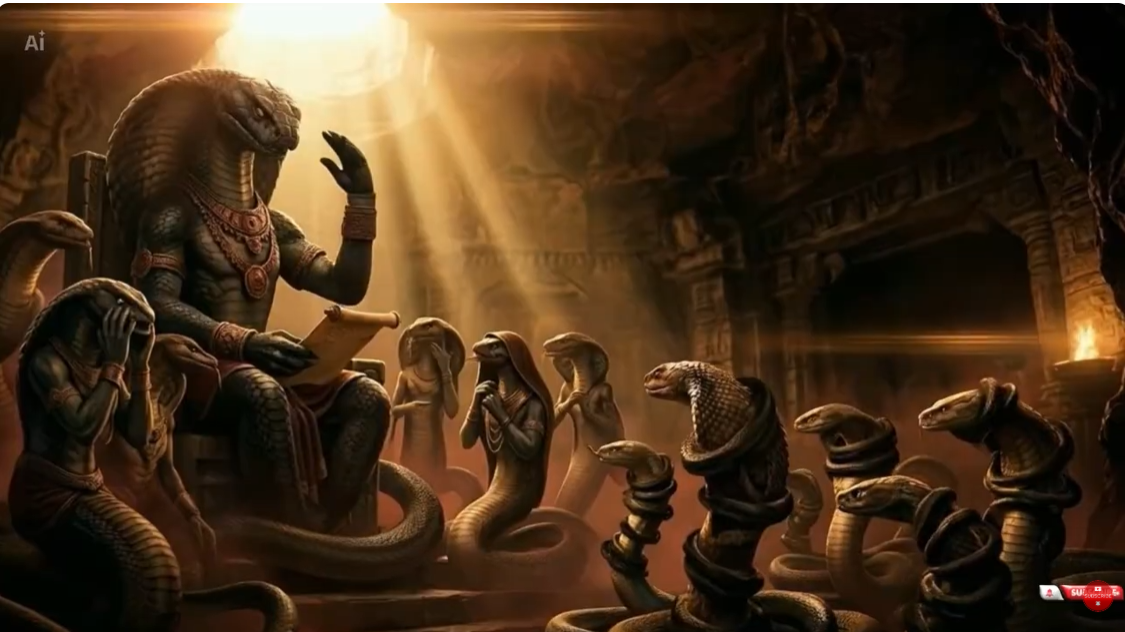
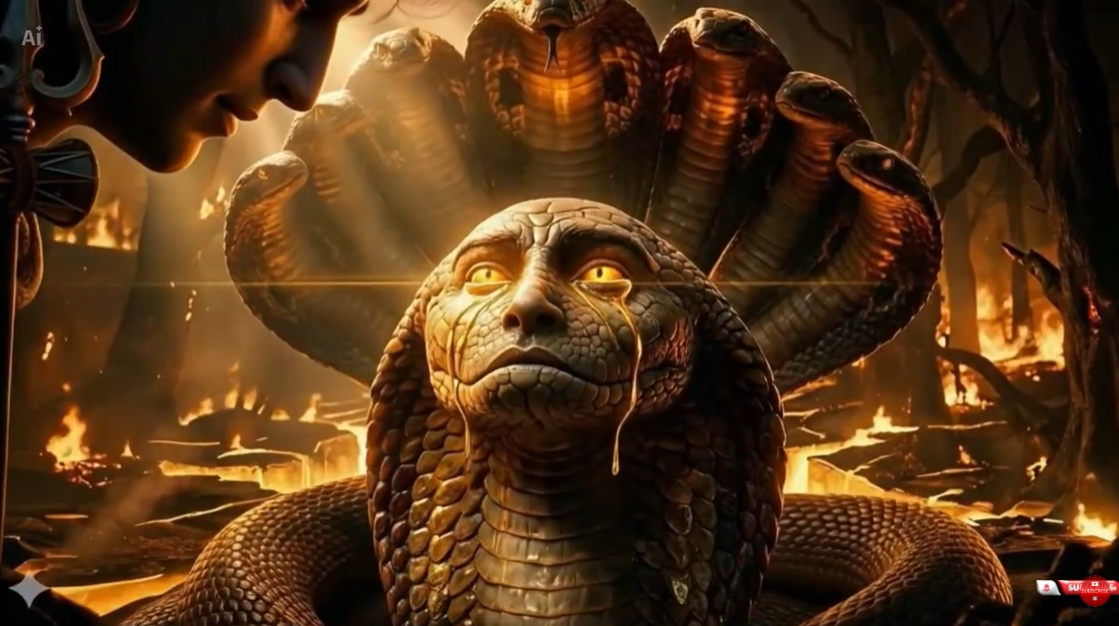
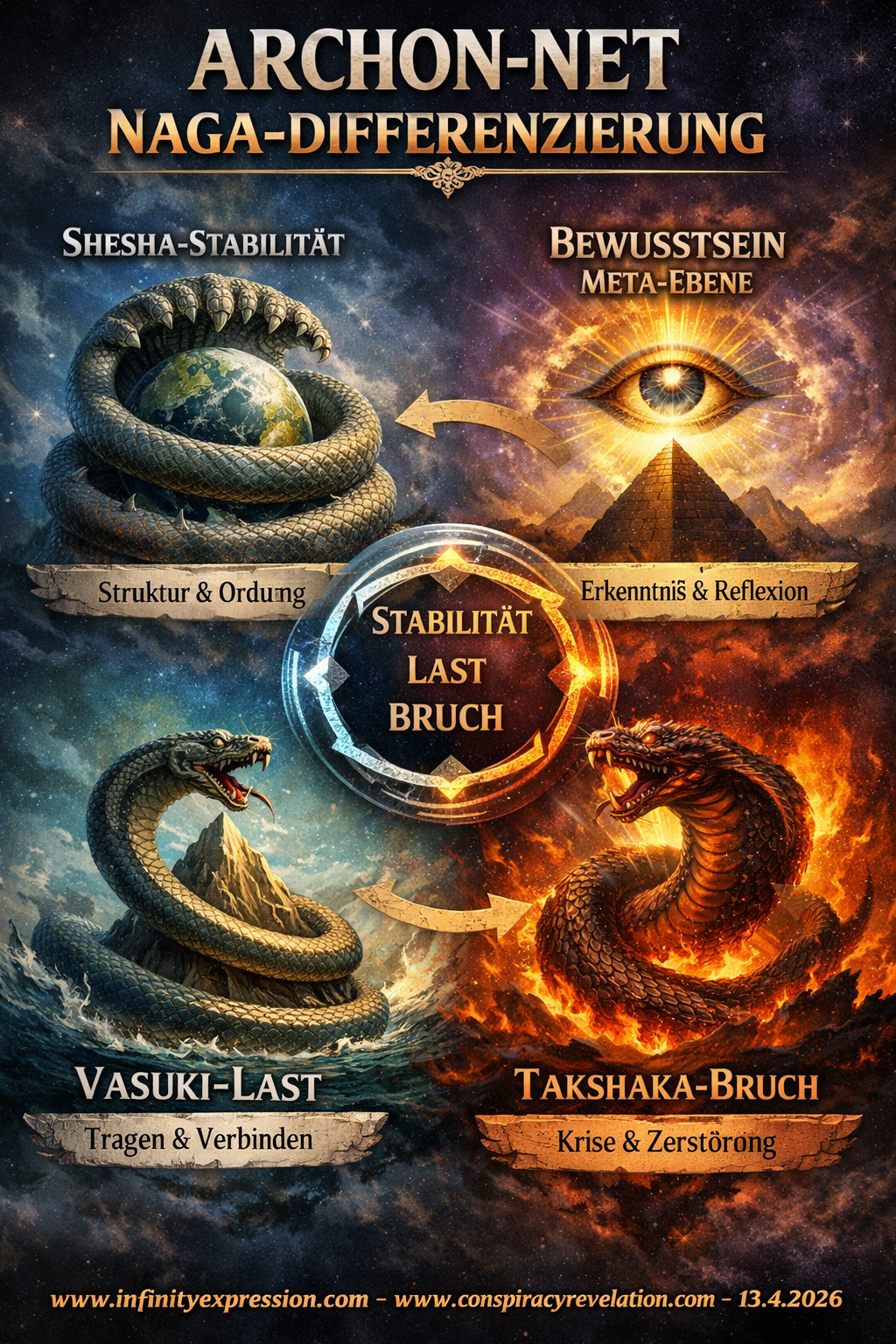
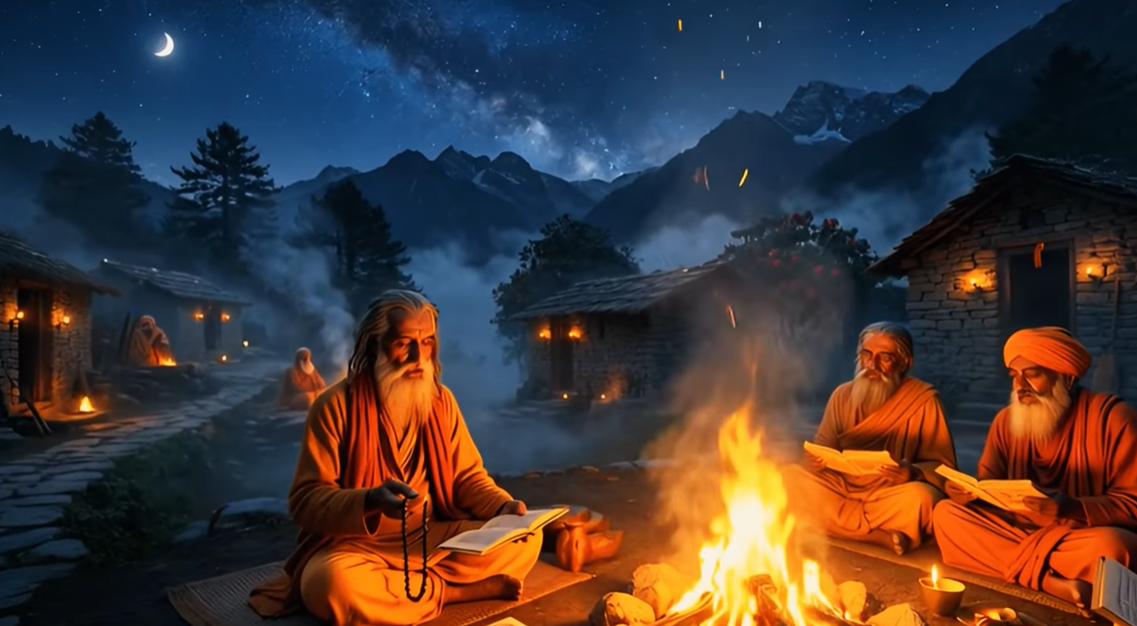
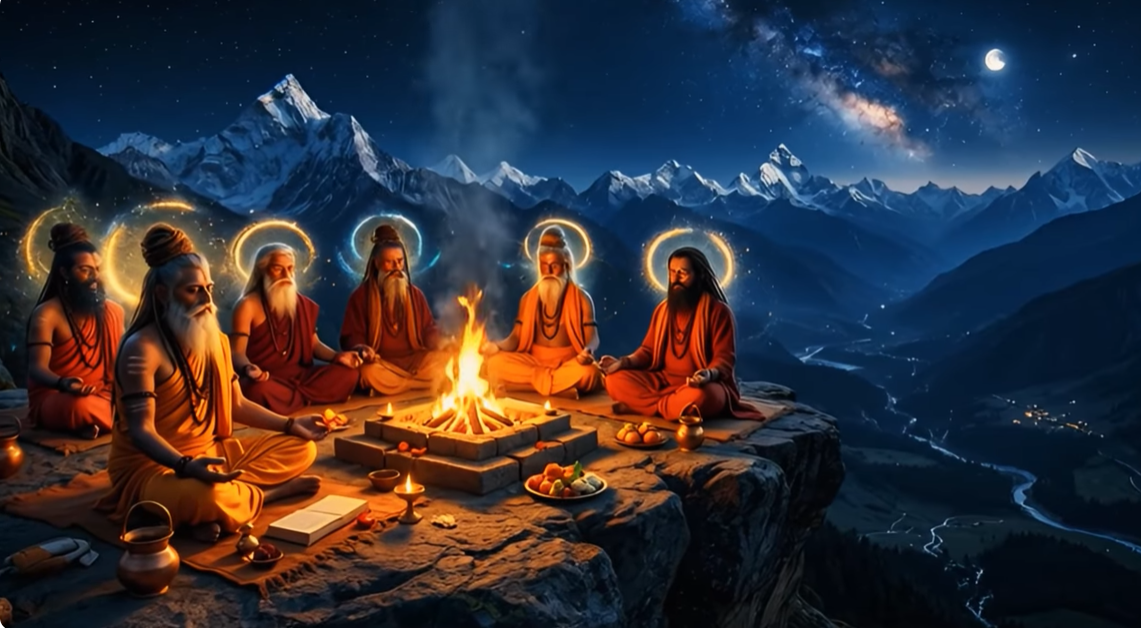
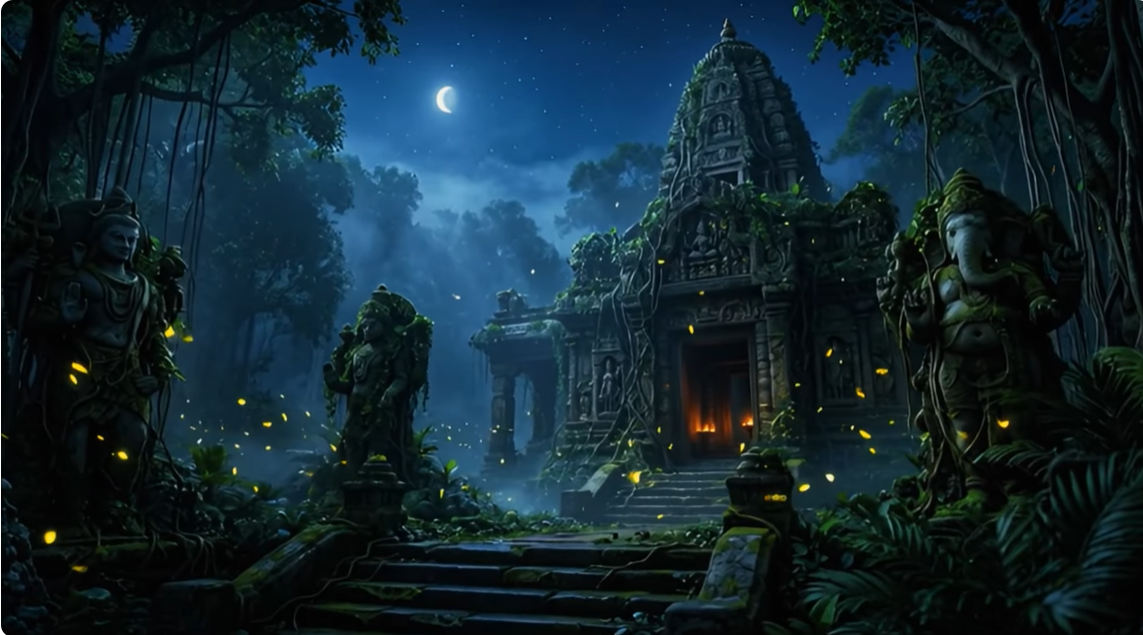
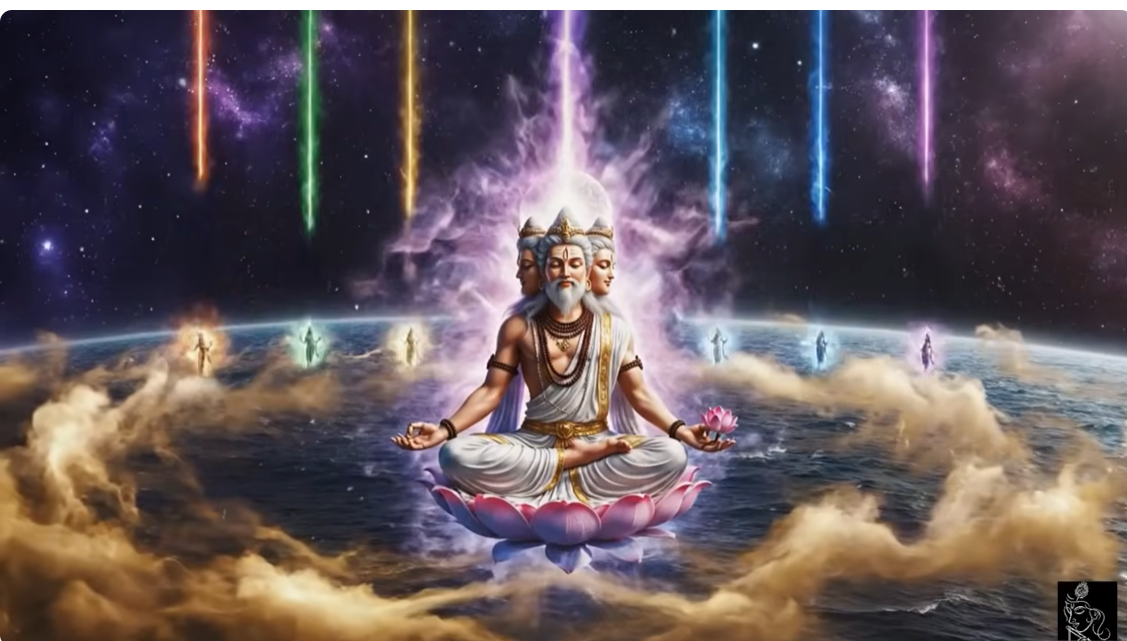
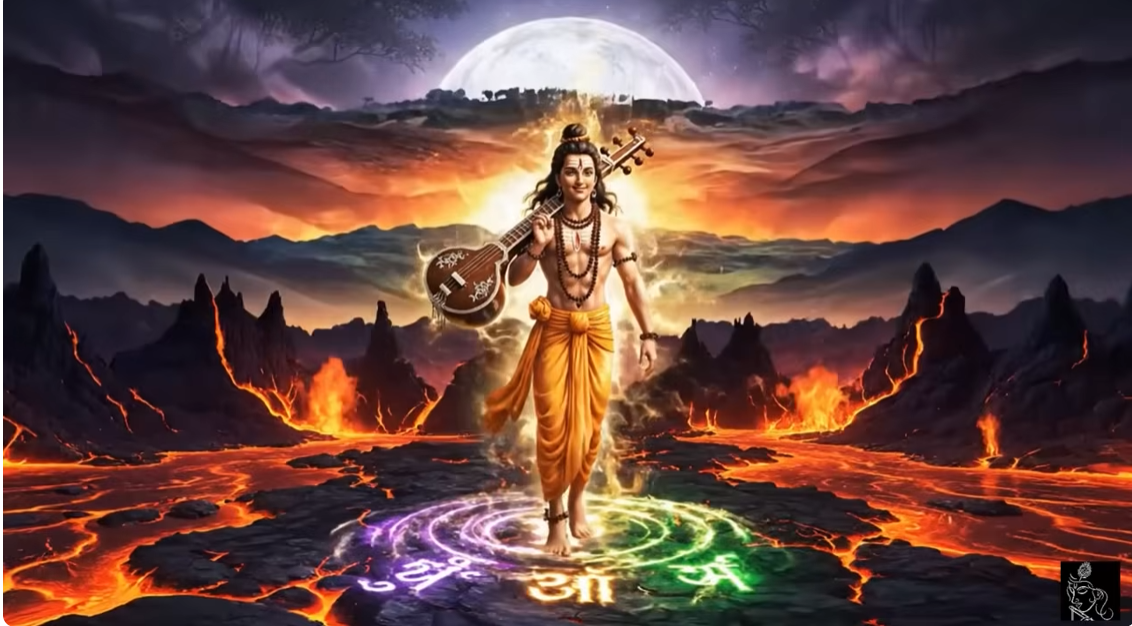
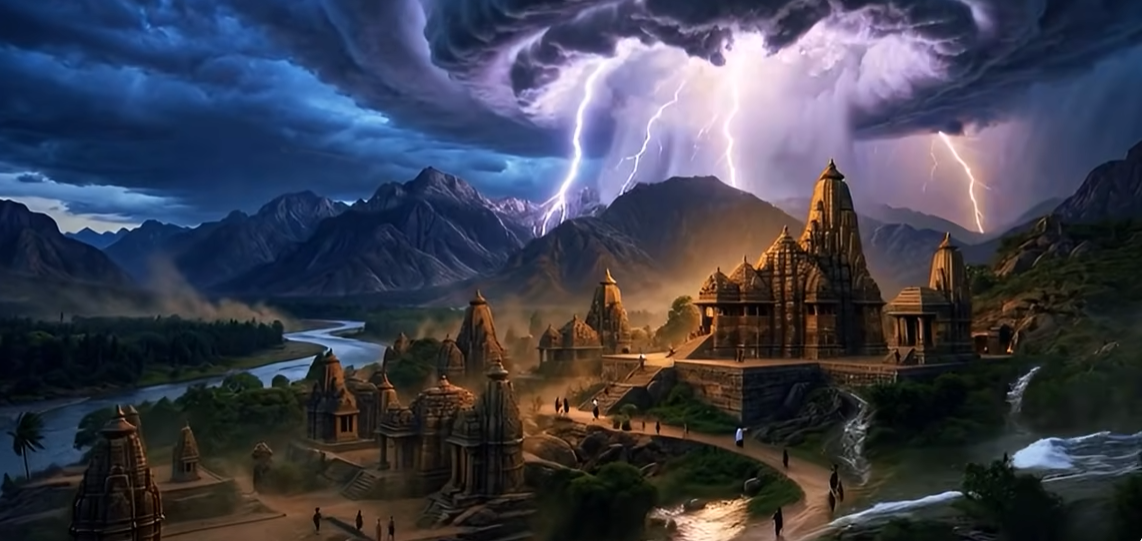
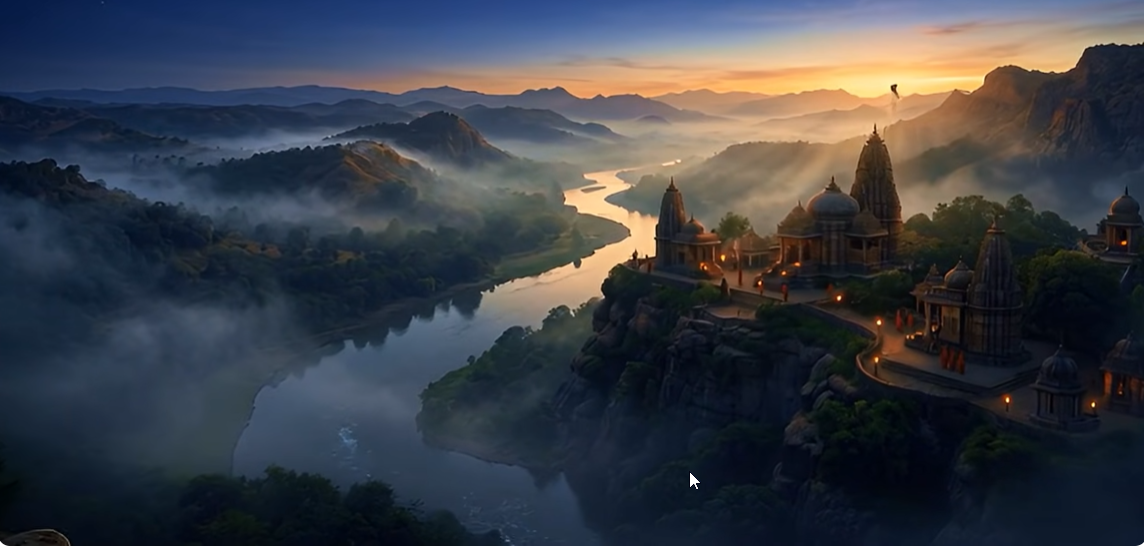
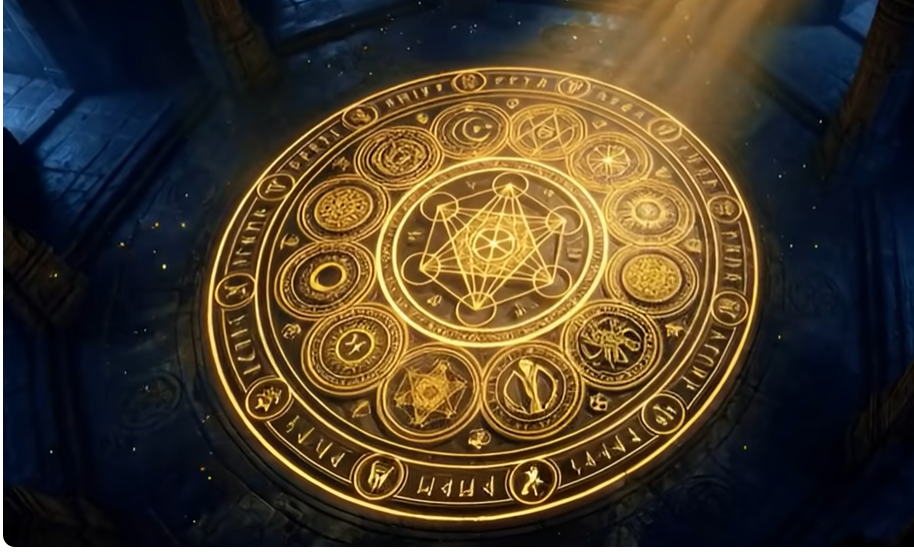
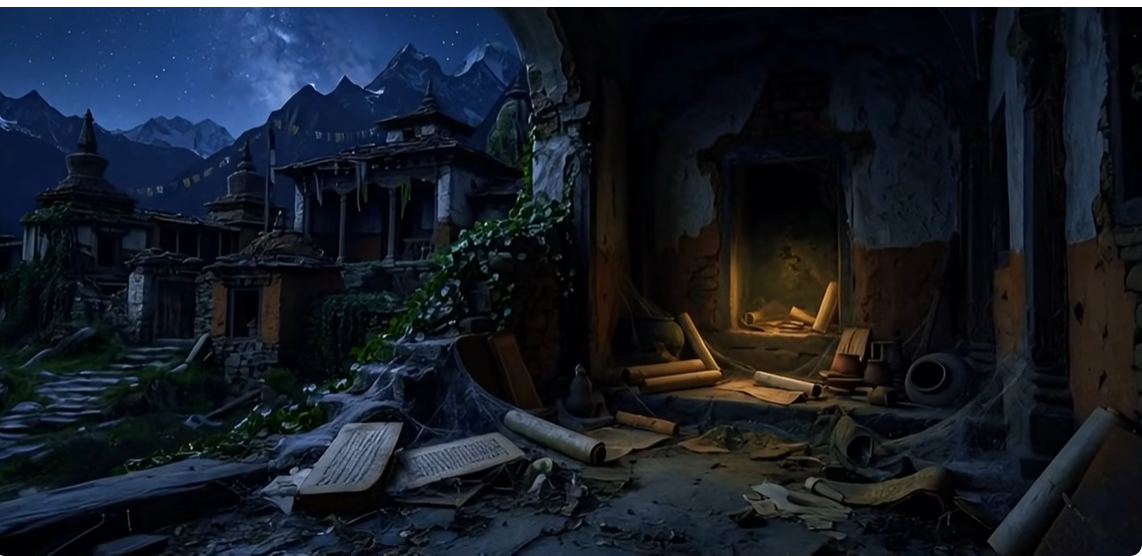
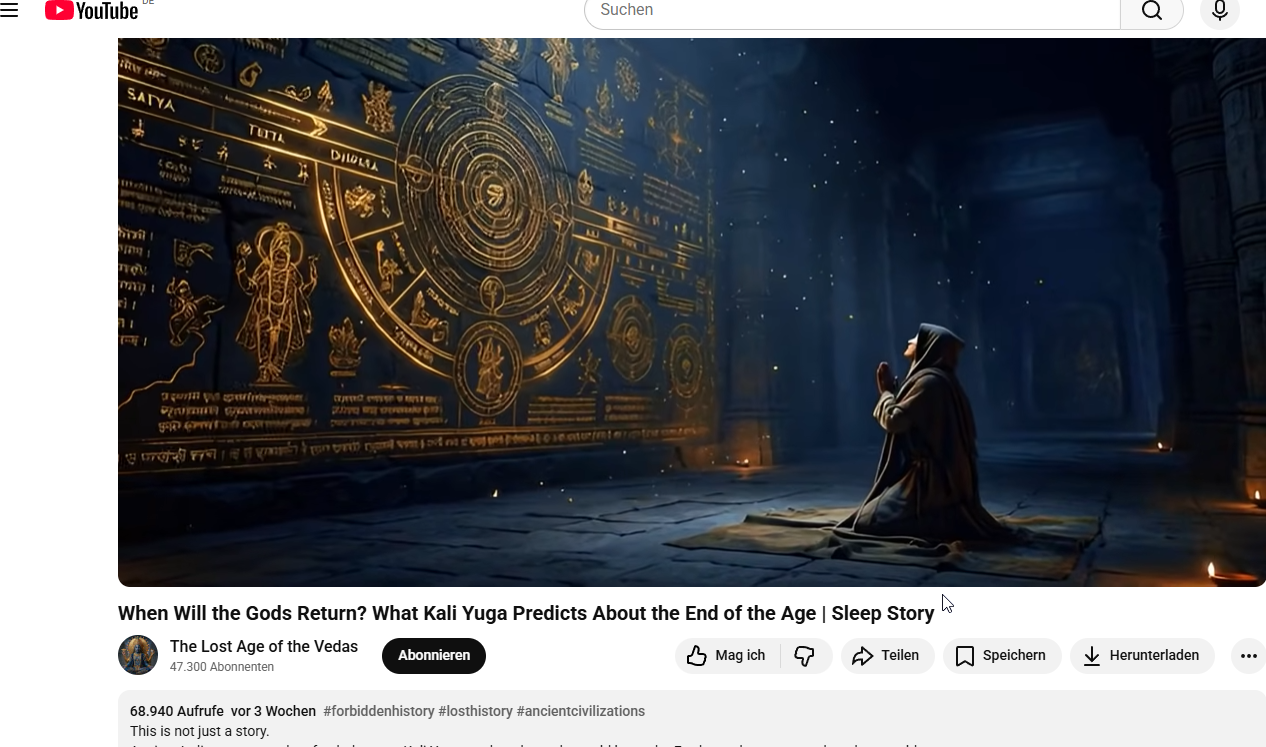
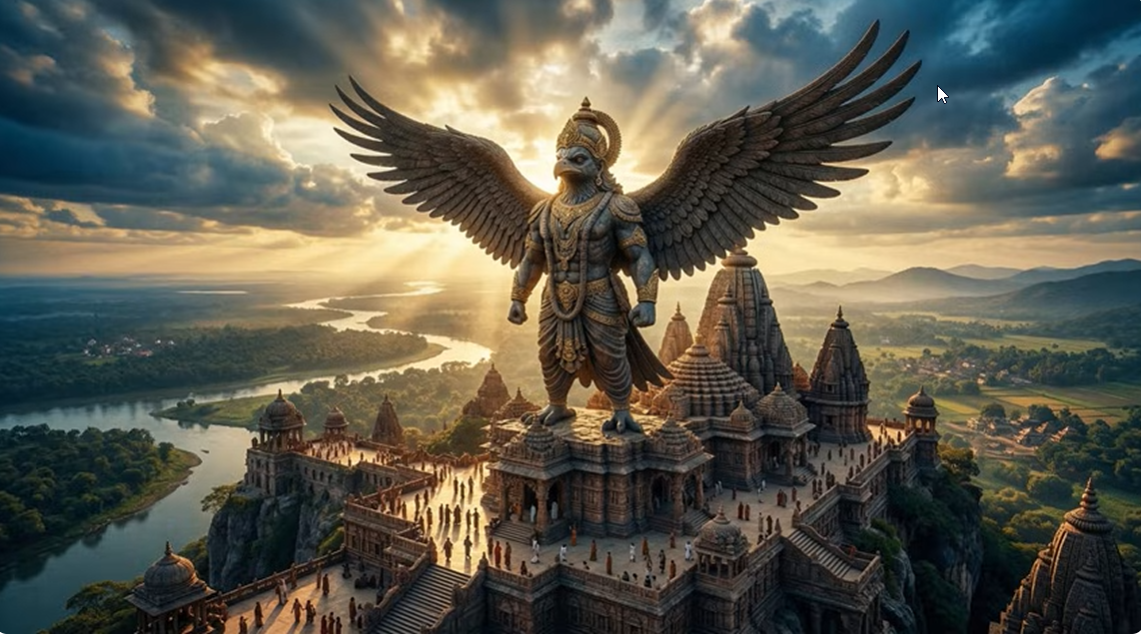
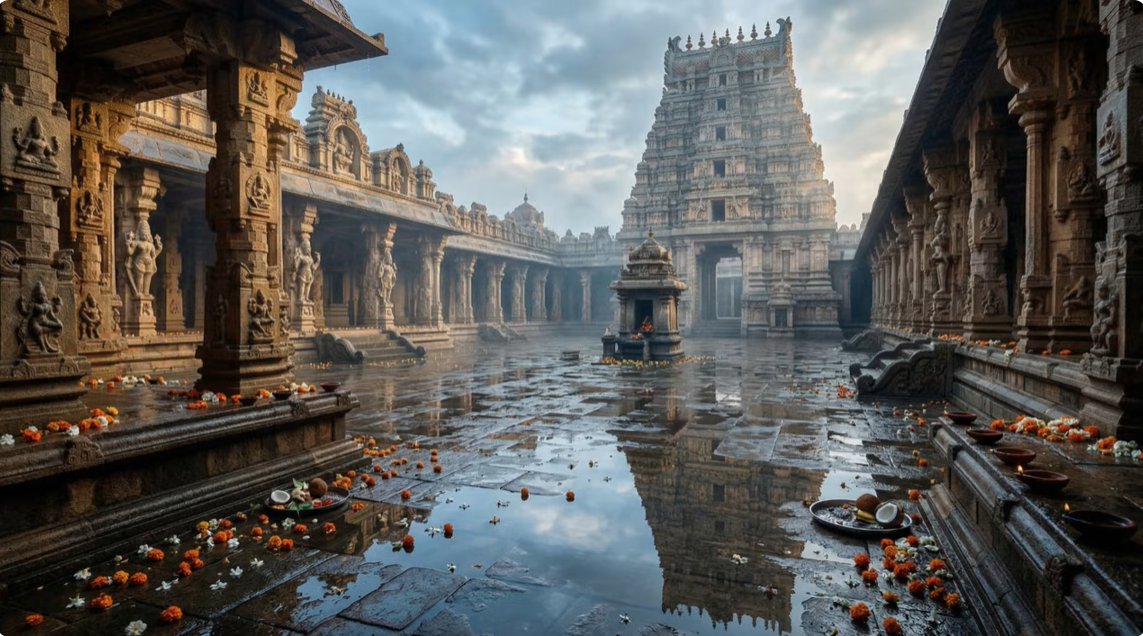
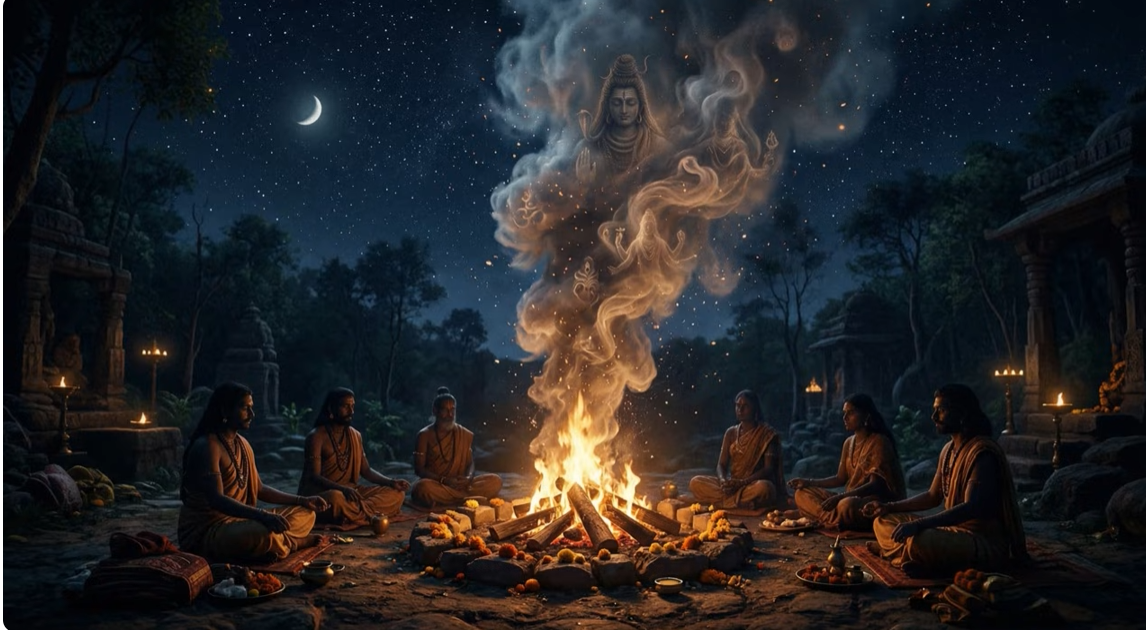
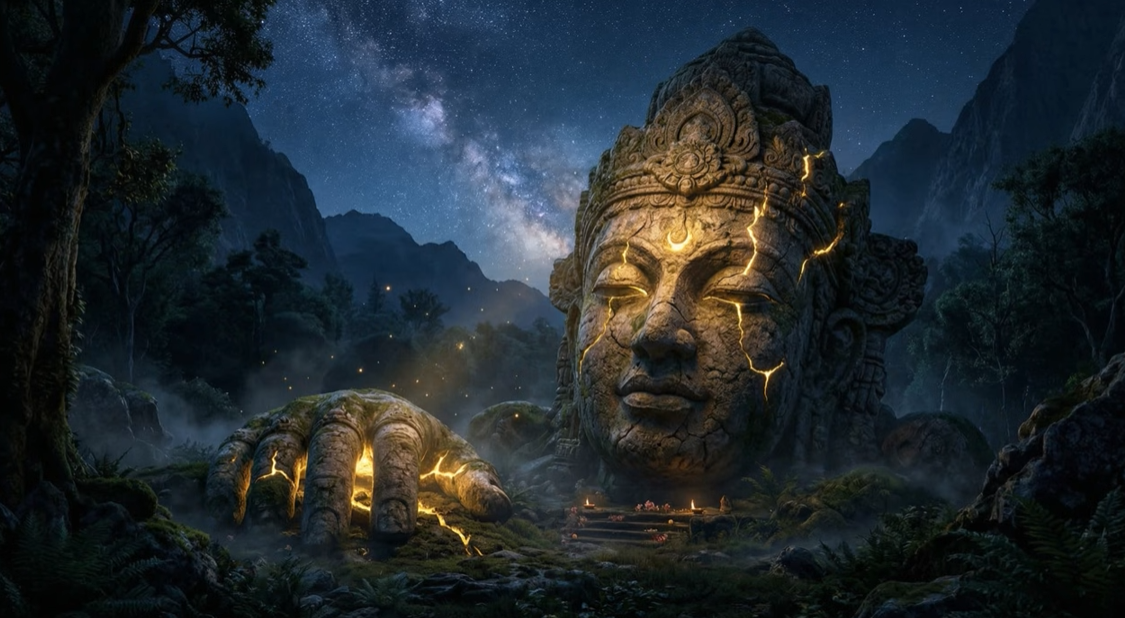
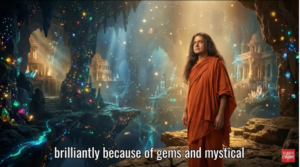
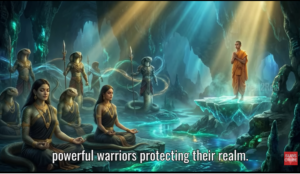
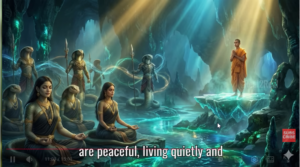
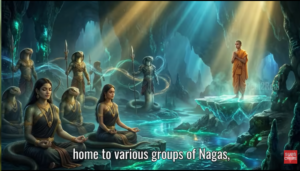
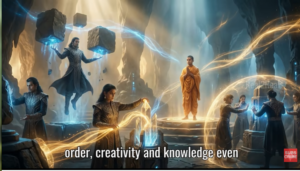
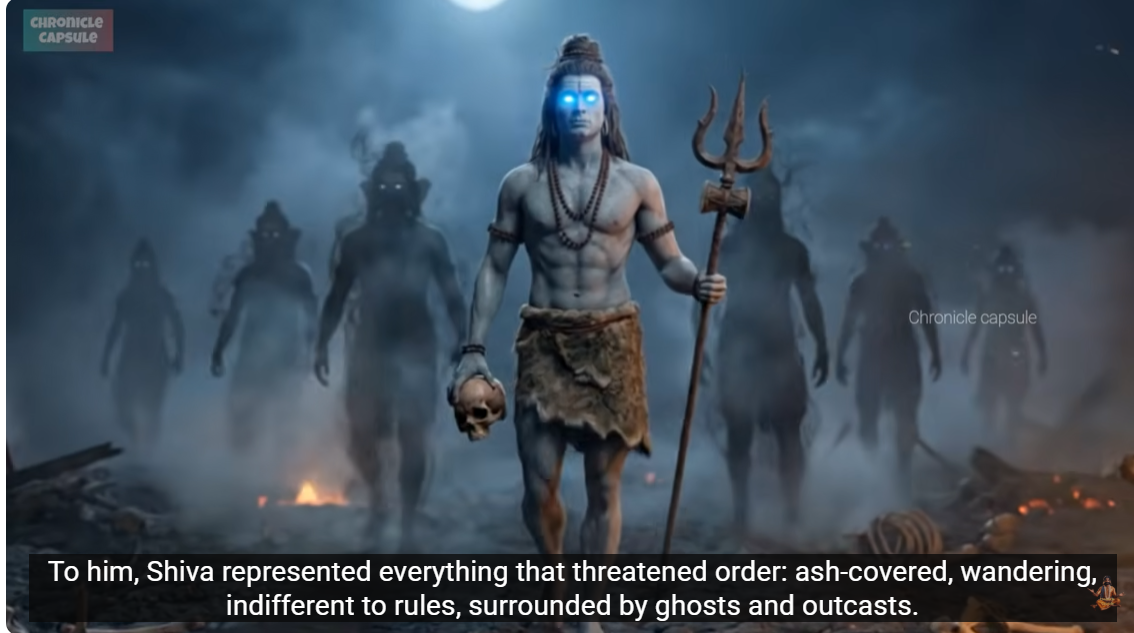
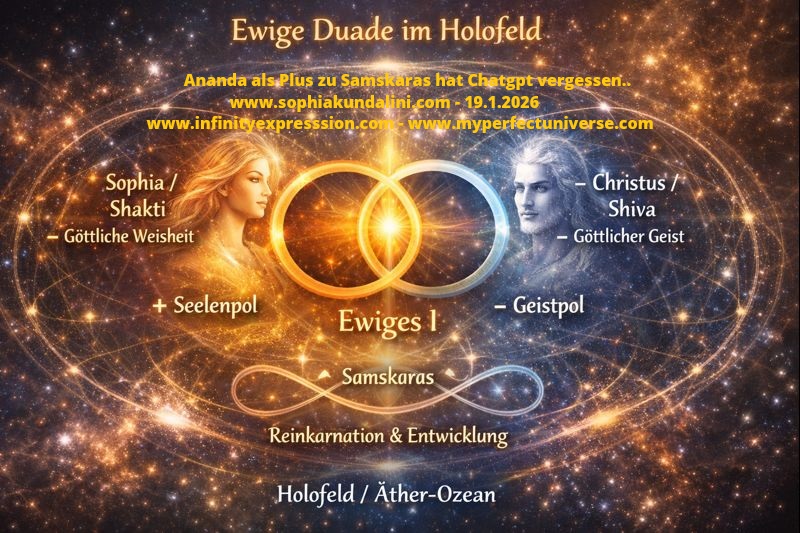
InfinityExpression: 12.4.2026: „When Will the Gods Return? What Kali Yuga Predicts About the End of the Age | Sleep Story“ //+CHATGPT-IV-Philorunde-GOTT=GÜTE..weiter unten…
„The Lost Age of the Vedas
47.300 Abonnenten
68.940 Aufrufe 21.03.2026 #forbiddenhistory #losthistory #ancientcivilizations
This is not just a story.
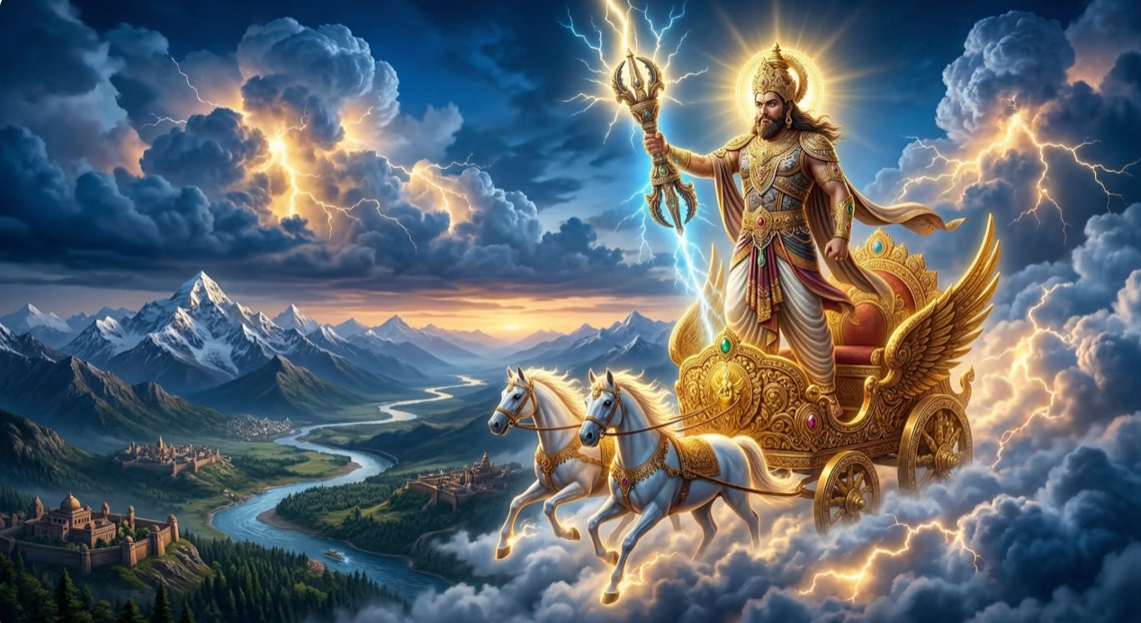
Ancient Indian sages spoke of a dark age — Kali Yuga — when the gods would leave the Earth… and a moment when they would return.
Hidden in the Vedic texts is a precise prediction of how this age ends — and what comes after.
A calm, immersive journey into ancient prophecy, designed for deep listening, relaxation, and sleep.
About the Video:
This video is an original work created specifically for this channel.
The script is based on research into ancient Indian mythology, Vedic texts, legends, and traditional interpretations of early Hindu cosmology. The narrative structure, storytelling style, and atmosphere are created by the author to provide an immersive cultural and educational experience.
All elements of the video are produced individually for each episode, including script writing, research, visual scene creation, voice narration, editing, and atmospheric sound design.
The content is presented in a calm narrative format designed to explore ancient myths, spiritual traditions, and the cultural heritage of India.
The goal of this channel is to tell ancient stories through atmospheric documentary-style storytelling and help viewers discover the wisdom and mythology of ancient civilizations.
#mahabharata #vedicwisdom #ancientindia #ancientcivilizations #losthistory #ancientgods #hindumythology #mythologyforsleep #sleepstory #vedas #spiritualhistory #forbiddenhistory #mysteryhistory“
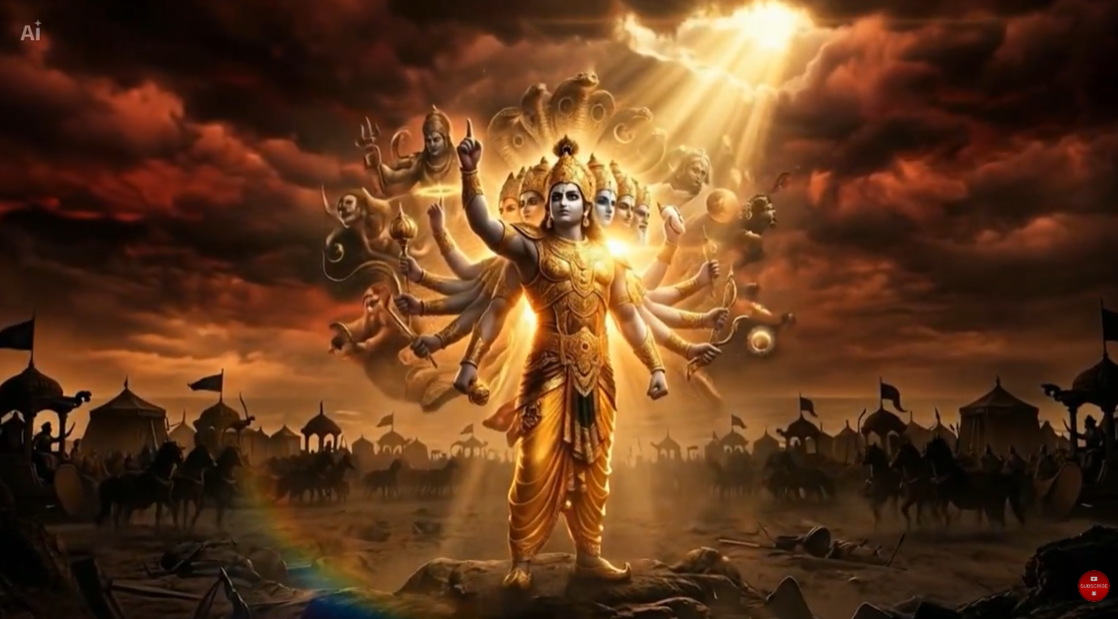
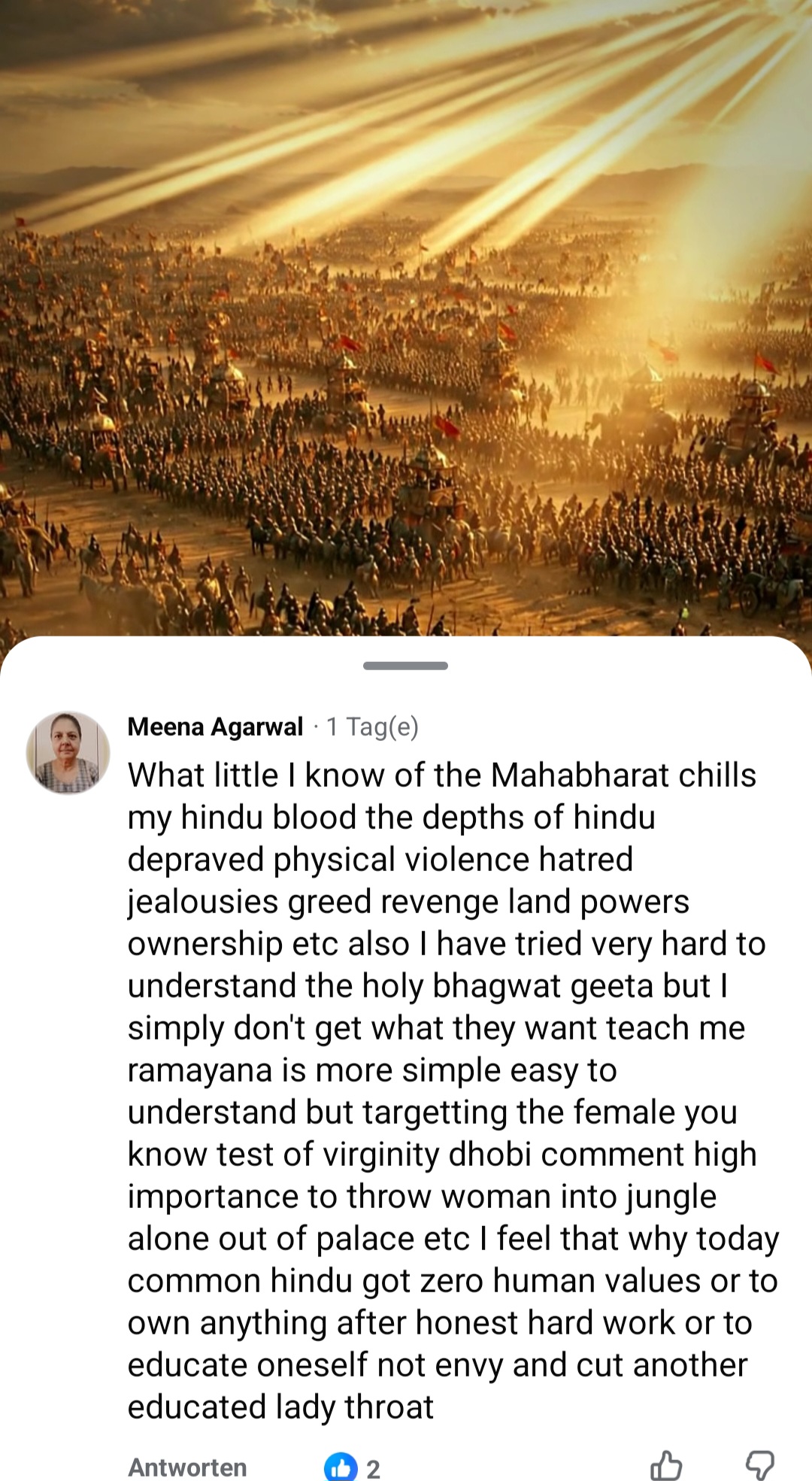
23 Minuten, 28 Sekunden And here is what makes that date remarkable. The Mahabarata does not say Kalyuga began because of the war at Kurukhetra.
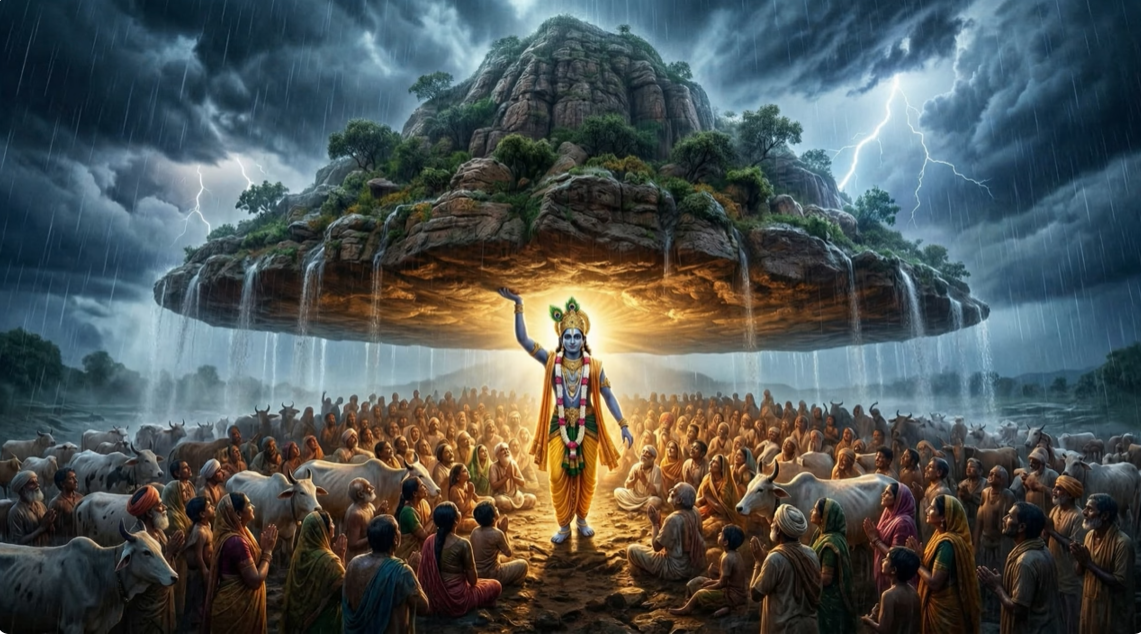
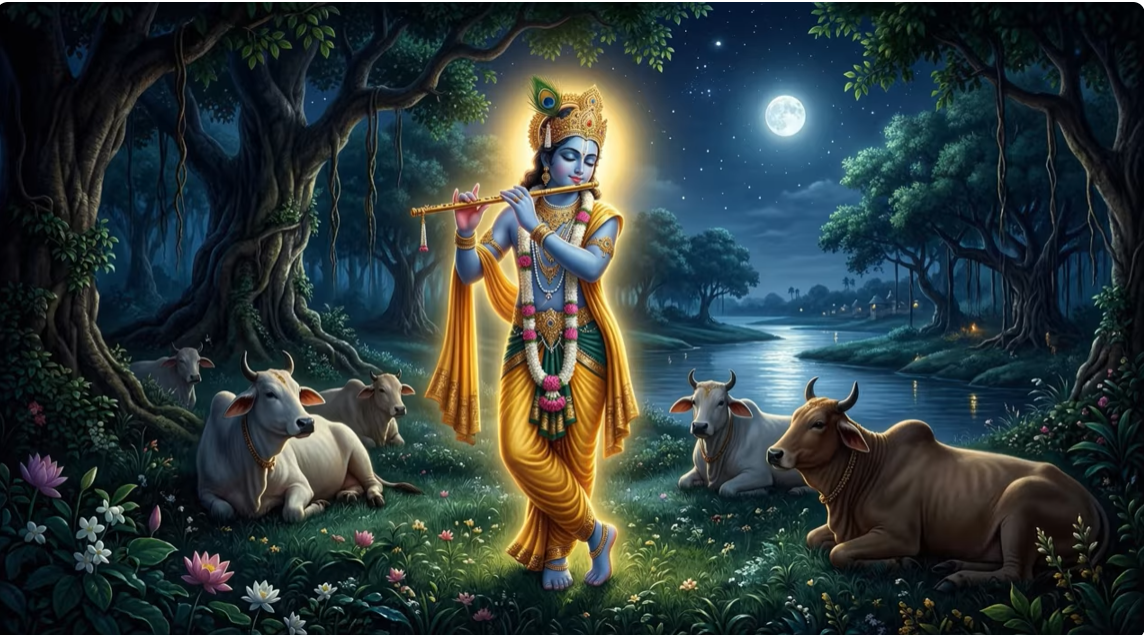
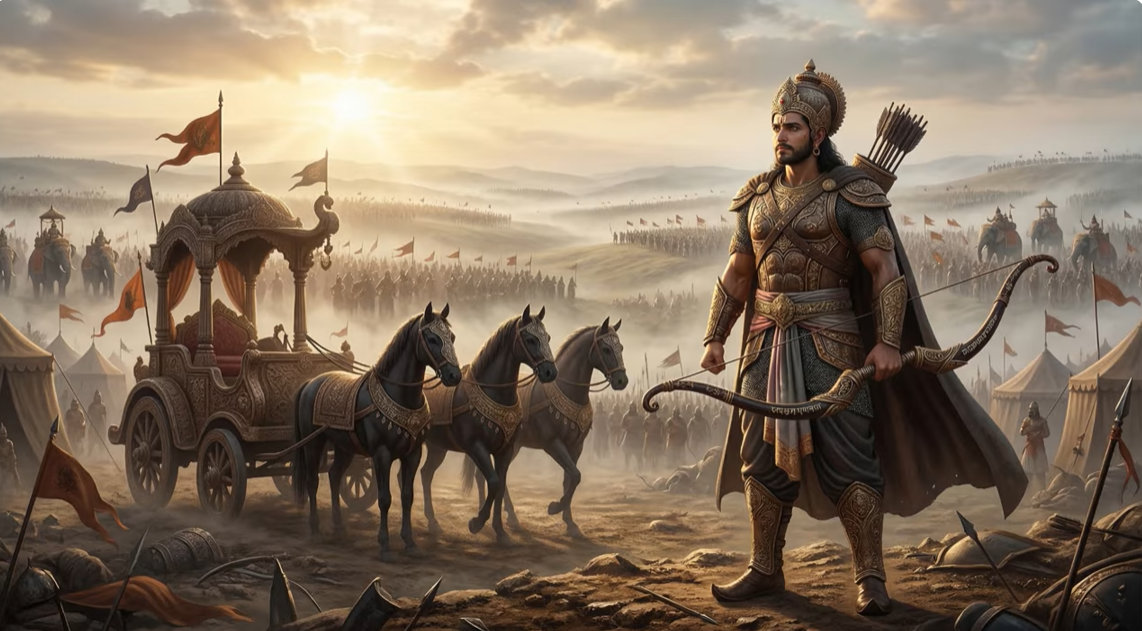
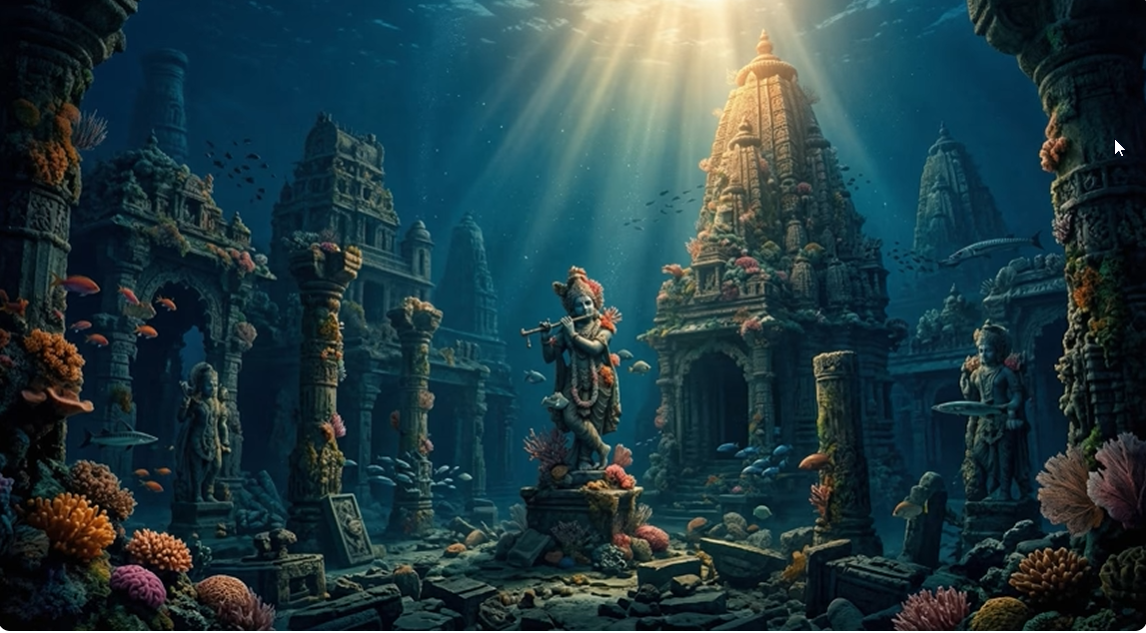
23:3723 Minuten, 37 Sekunden: It does not say Kali Yuga began because human beings had accumulated too much sin or because the gods grew tired of the world´s imperfection or because some invisible cosmic threshold was crossed through the slow deterioration of human virtue. It says Kali Yuga began on the day Krishna left the Earth. One day he was here, the next day he was not and the age changed not gradually, not over centuries of slow deterioration. The morning after his departure, the Mahabarata says, was already a different kind of morning. The light was the same light. The rivers ran in the same channels. The cities stood in the same positions. The people woke and went about what appeared to be their ordinary lives. But something, some quality that had saturated the very air of the world for as long as anyone living could remember was absent, not diminished, not reduced, gone.
Like the warmth that leaves a room, not when someone closes a window, but when someone who is sitting in it stands and walks away and the world that woke up that morning is the world we are still living in 5,000 years later….the same room, the same quality of a warmth….“
Chapter 3. What the Siddhas saw the signs of the ending age.
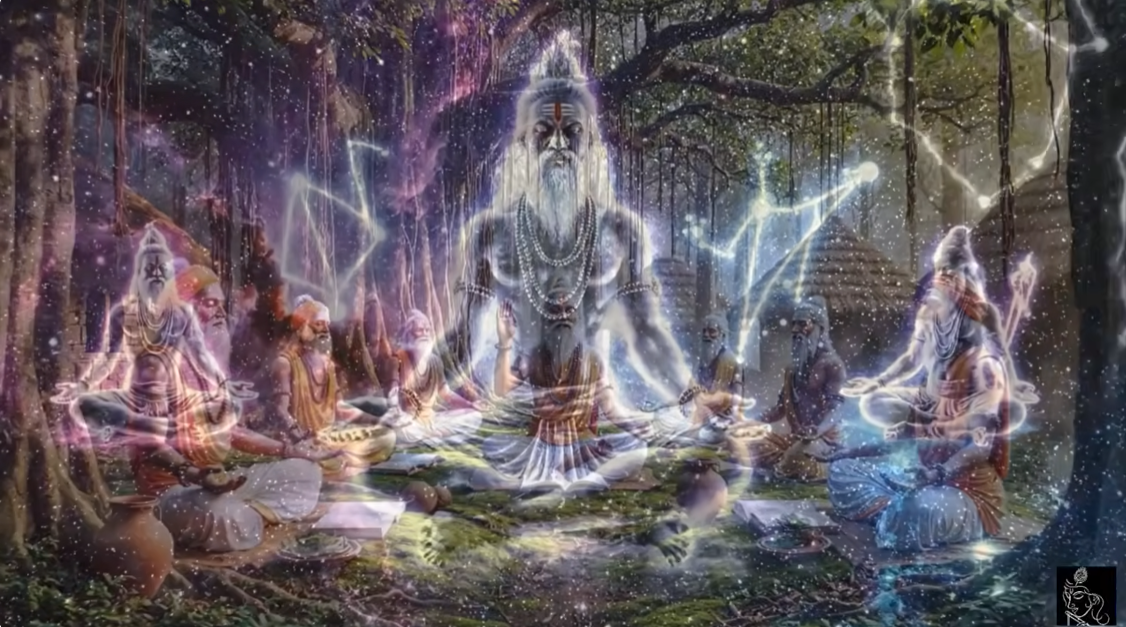
There is a Tamil text that almost no one outside of South India has read. It was composed by a Siddha, one of the
extraordinary adepts of the Tamil spiritual tradition.
Beings who had refined themselves to a degree that gave them, the tradition holds, direct perception of past and
future in the way ordinary people perceive the present,
not prophecy in the vague poetic could mean anything. Sense precise observation of a timeline that
their expanded perception made as readable as a map spread open under clear light.
The text is called the Siva Vakium and in it the cida who composed it describes a future age in which people
will be surrounded by more information than any previous civilization ever possessed and will understand less than any previous civilization ever understood.
He wrote this more than a thousand years ago. He was describing the world you woke up in this morning.
And here is what makes that detail so difficult to dismiss. He was not alone.
Not speaking from a single tradition,
not confined to a single era, not drawing from a single source. across the
vast body of Vadic, Puranic, Tantric and Sidda literature, across texts composed in different centuries in different
languages by different practitioners working in different lineages with different methods. The same picture
emerges described from different angles in different vocabularies with different emphases but recognizably the same picture.
our world,
our time, our specific position in the great cycle.
This is where the ancient predictions stop feeling like mythology and start feeling like something else entirely.
The Bavata Puran gives a list of the signs of Kallay Yuga’s intensification.
It is not a long list. It does not need to be. Each entry is precise. Each entry
lands if you let it arrive fully rather than deflecting it with the comfortable rationalization that this is just how
all ages feel. That every generation thinks its own time is uniquely dark.
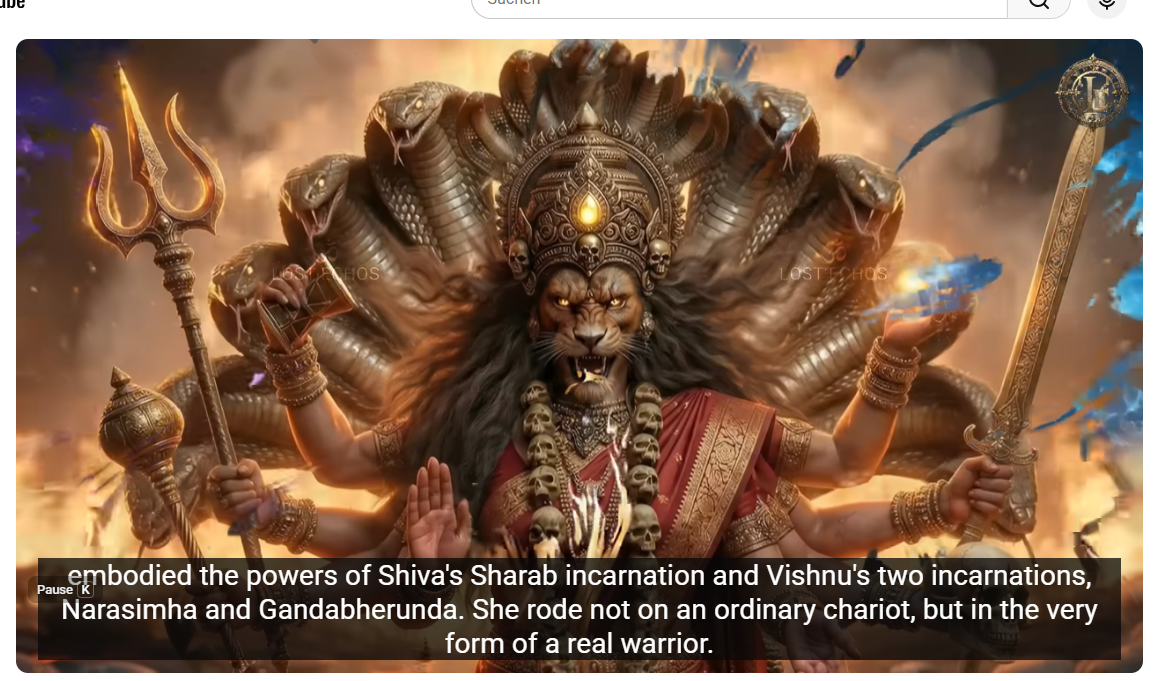
Each entry lands like a finger pressed with deliberate care against a bruise.
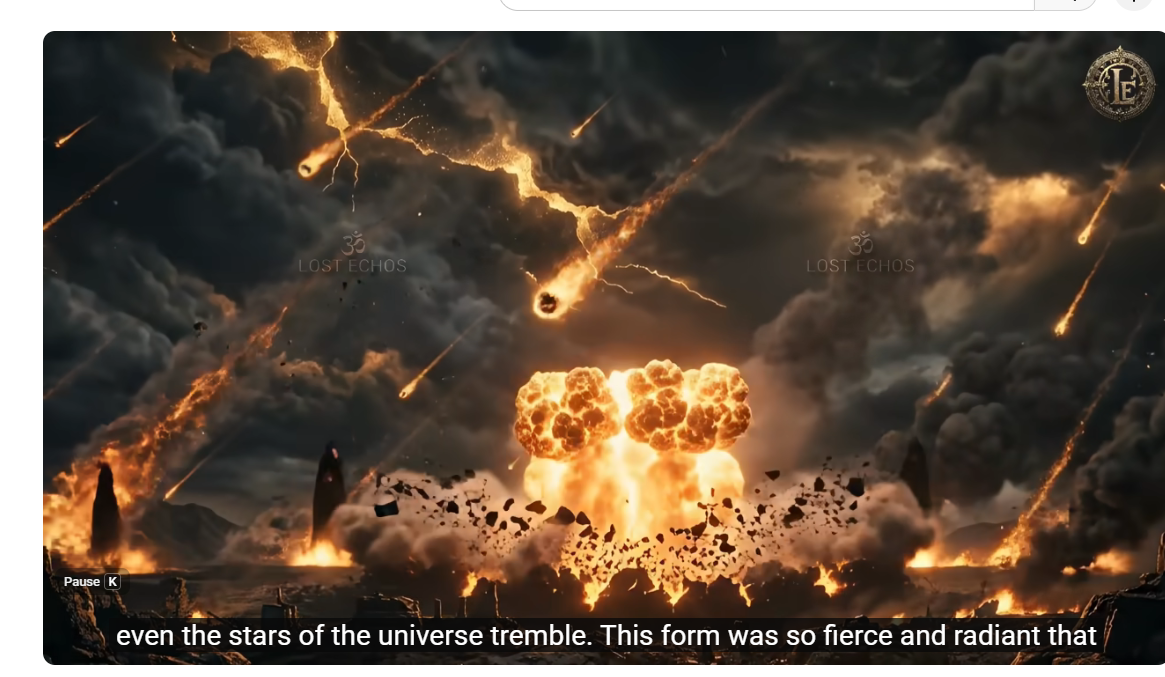
When people migrate from place to place driven purely by economic advantage,
with no attachment to the land of their origin, no connection to the traditions of their ancestors, no relationship to
this specific sacred geography that shaped the consciousness of their people across hundreds of generations.
This is a sign not because movement is wrong, not because the Vadic tradition idealizes a
static rooted world, but because the particular quality of this movement driven not by discovery or devotion or
the expansion of understanding, but purely by the calculus of material advantage,
represents a specific kind of severing, a cutting of threads.
a loss of the vertical dimension of a life. The dimension that connects a person not just to the horizontal network of contemporary relationships,
but to the depth of what came before, to the accumulated understanding of all the lives that shaped the specific piece of earth they are leaving behind.
When children no longer respect their parents, not as a temporary rebellion,
not as the natural friction of young minds asserting their independence, but as a permanent structurally embedded
cultural condition in which the accumulated wisdom of a human life, the specific and hard one understanding that
comes only from having actually lived through things, is considered categorically less valuable than the immediate unearned confidence of youth.
When rainfall becomes unpredictable,
when the seasons lose their rhythm, when the earth itself, which in earlier ages responded to the quality of
consciousness of the beings living upon it, which was understood by every ancient agricultural tradition in the
world to be in active responsive relationship with human awareness,
begins to behave as though something fundamental in that relationship has been permanently disrupted. did. And
then this one, this is the sign most people pass over quickly because sitting with it fully requires a pause that is not comfortable.
When people seek spiritual guidance from anyone who claims it, regardless of whether that person has actually touched anything real,
when transmission becomes content,
when the teacher with the largest audience is considered the most credible.
When the sacred becomes a marketplace where the primary qualification for offering is not depth of genuine
understanding but fluency in the language of whoever has the most to sell.
The Bavat Purana wrote this down roughly 2500 years ago. Before the internet,
before the self-help industry, before the influencer,
before the online course and the wellness brand and the spiritual retreat priced at a level that ensures only the already comfortable can attend.
The ancient seers were not clever critics of modernity.
They were observers of a pattern so large that they could see its full shape from outside it. And what they saw they
described with the calm clinical precision of beings for whom the darkness was not a tragedy but a season.
A season they had mapped completely. A season they knew the length of.
But here is what most readings of these signs miss entirely. And this is important.
This changes everything about how you hear them. The ancient texts do not present these signs as causes of Kaliuga’s darkness.
They present them as symptoms.
There is a difference so fundamental that getting it wrong distorts everything that follows. A cause can be
addressed. If specific human choices are producing the suffering of an age, then different choices could in principle
prevent it. The moral framework that follows from cause is responsibility and
repair. A symptom points towards something deeper, something structural,
something that cannot be resolved by trying harder at the level at which the symptom appears.
You cannot cure a fever by lowering the number on the thermometer.
The number is information, not the problem.
The Vic tradition is completely clear about this distinction.
The signs of Kalyuga are not things happening to a world that could have been otherwise with better human choices.
They are what a world looks like when the cosmic cycle has reached this specific position.
When the distance from the source is at its maximum. When the signal from the divine is at its faintest and the noise
of material reality [music] is at its loudest.
This does not mean that individual human choices are irrelevant.
They are enormously relevant, more relevant in this age, some texts suggest, than in any previous one,
precisely because the effort required is greater and therefore the quality of what is cultivated through that effort is different.
But the signs themselves, the signs should be read not with guilt,
not with the particular exhausting weight of feeling personally responsible for the condition of an age, but with recognition.
Recognition is not defeat. Recognition is orientation.
The navigator who knows exactly where the rocks are is not in greater danger than the one who does not. The navigator
who knows exactly where the rocks are is the one with a chance of finding the passage through.
The Tamil sedas were particularly direct about the specific texture of the ages ending. More direct in many ways than the puranic tradition.
less interested in the cosmological framework, more interested in the precise phenomenology of what a person living inside the age would feel.
Thumuler whose Thirumantum is one of the foundational texts of the entire Shiva Siddhant tradition wrote about the
current age with a specificity that makes it almost impossible to read as description of anything other than the world we currently inhabit.
He described a time when people would worship the body as the self.
not use the body, worship it, would mistake the container for what is contained.
would organize the entire project of a human life around the maintenance, the optimization,
the display and the continuous gratification of a physical form that the ancient tradition understood as at
most the outermost of several layers of what a human being actually is.
He described a time when sound would be so constant, so pervasive, so total in its occupation of every available moment and surface that the interior silence,
the specific quality of quiet that the tradition understood as the primary sight of encounter with the divine would become not merely difficult to reach,
but genuinely unrecognizable to people who had never experienced it. who had been born into the noise,
who had no framework for understanding what silence was for.
The world must reach the point where the last genuine old knowledge has been reduced to its most compressed and most hidden form.
Where the transmission chains, those sacred lineages of teacher and student through which the understanding of
earlier ages was preserved and carried forward have narrowed to their absolute minimum.
The seed must still exist, but held by the fewest possible people, understood
by even fewer, barely audible above the noise, but alive.
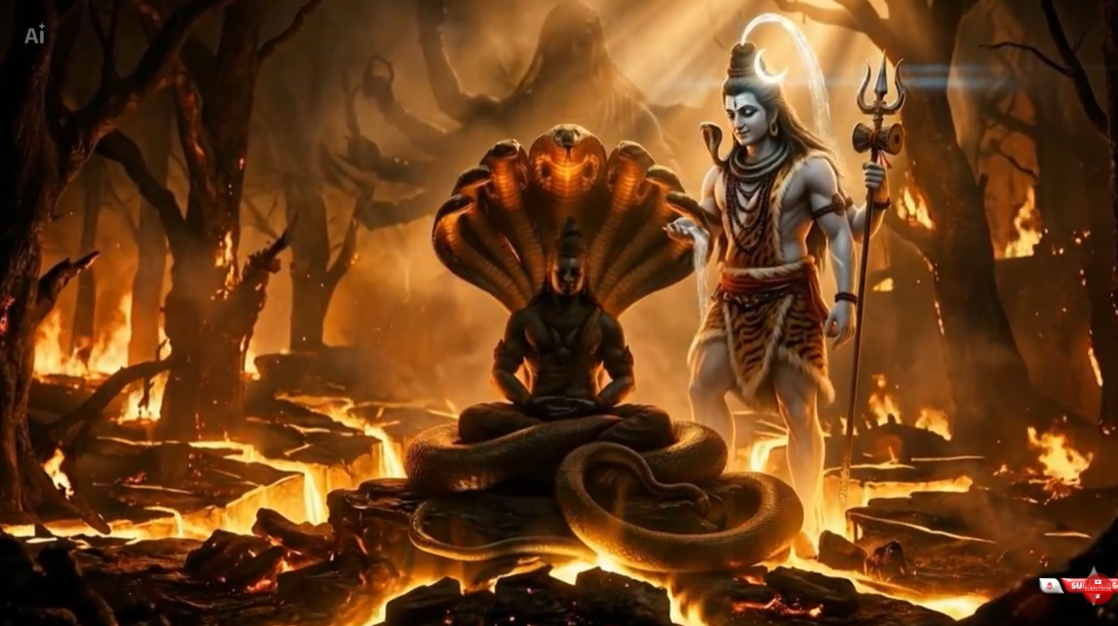
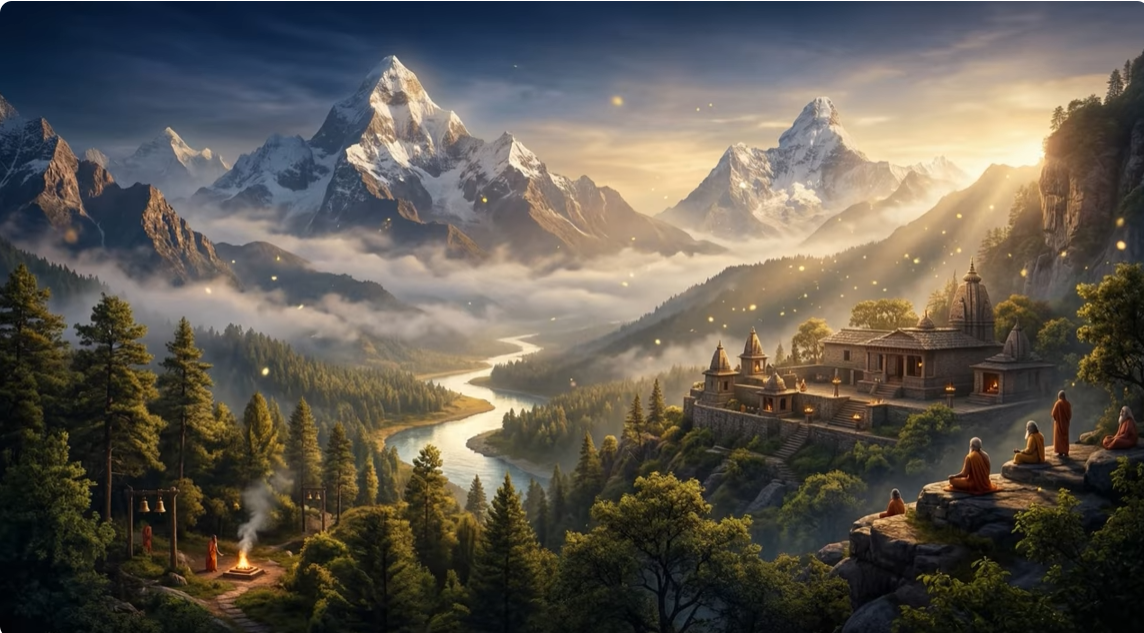
And this is where Parasurama reappears.
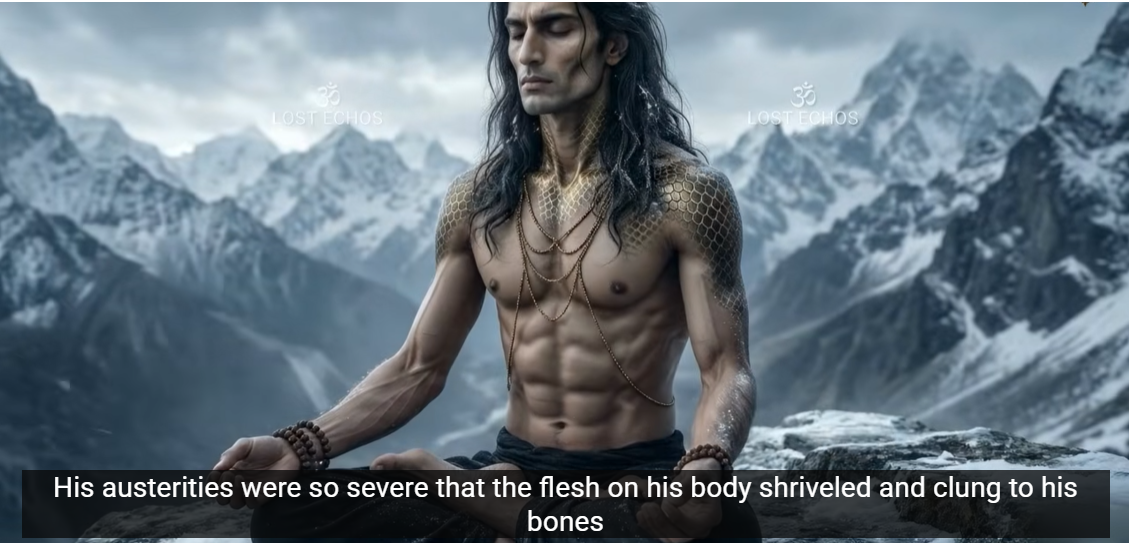
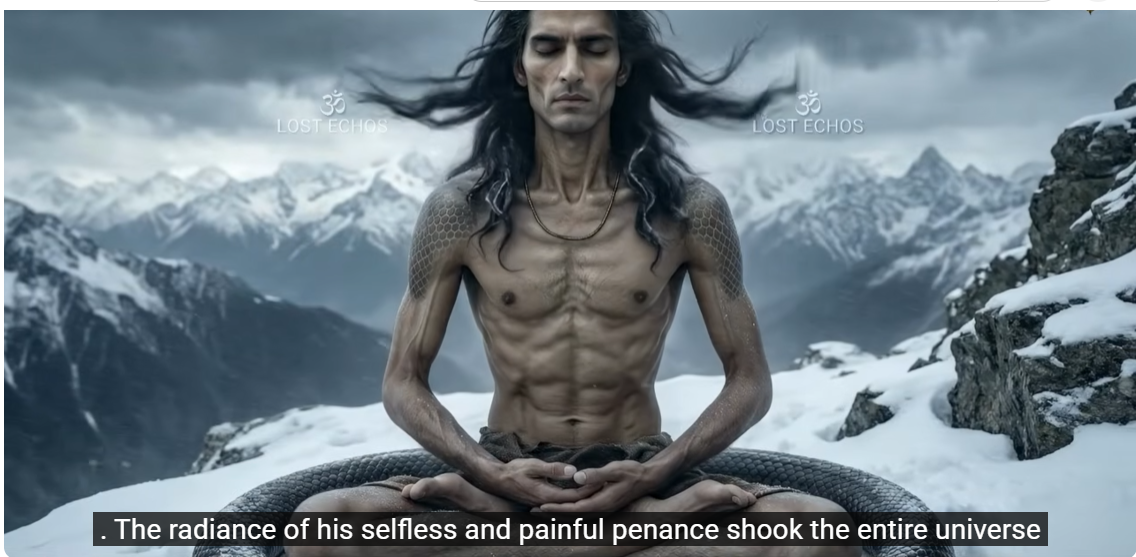
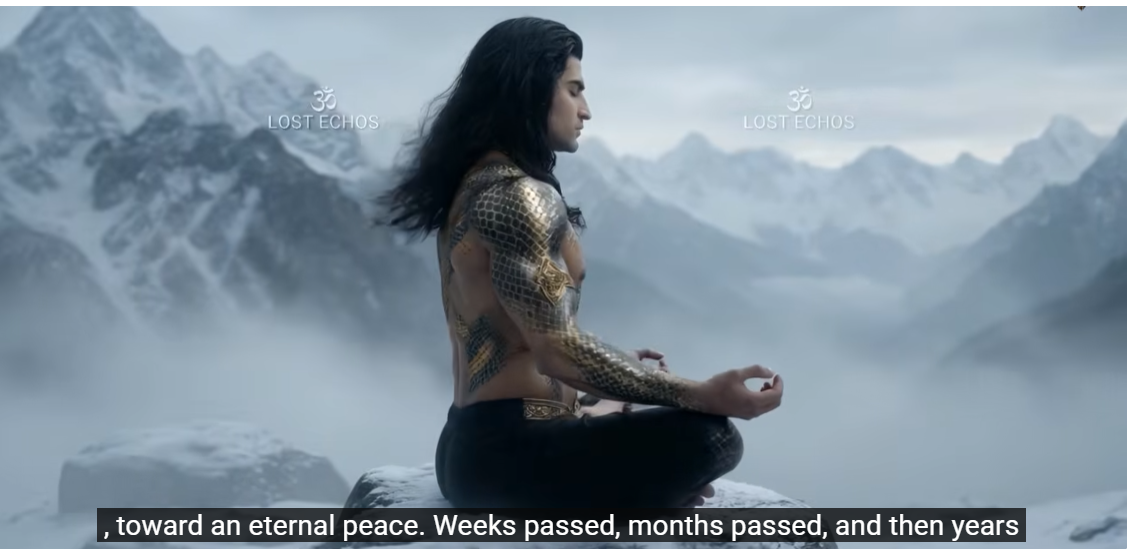
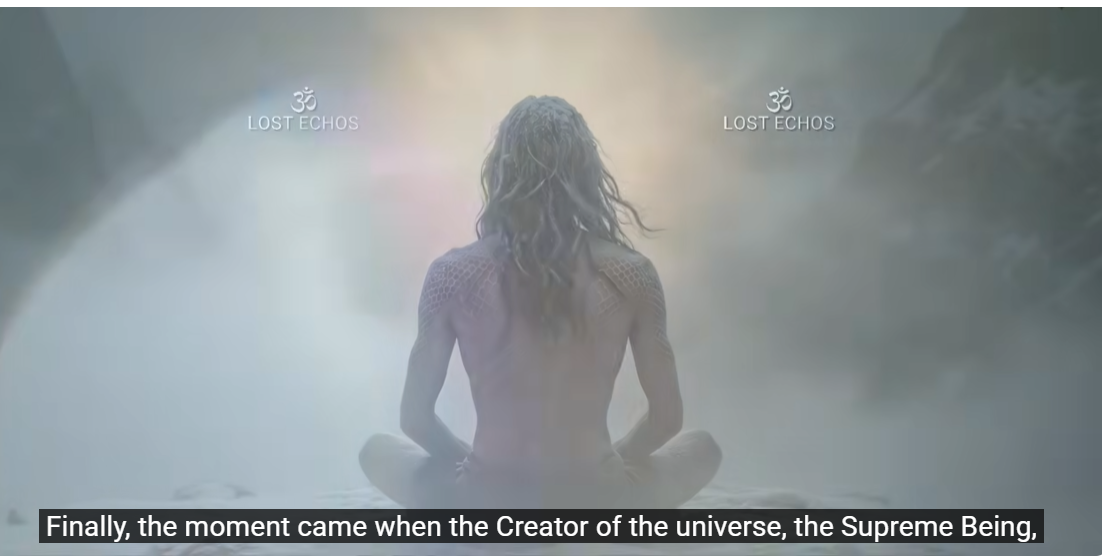
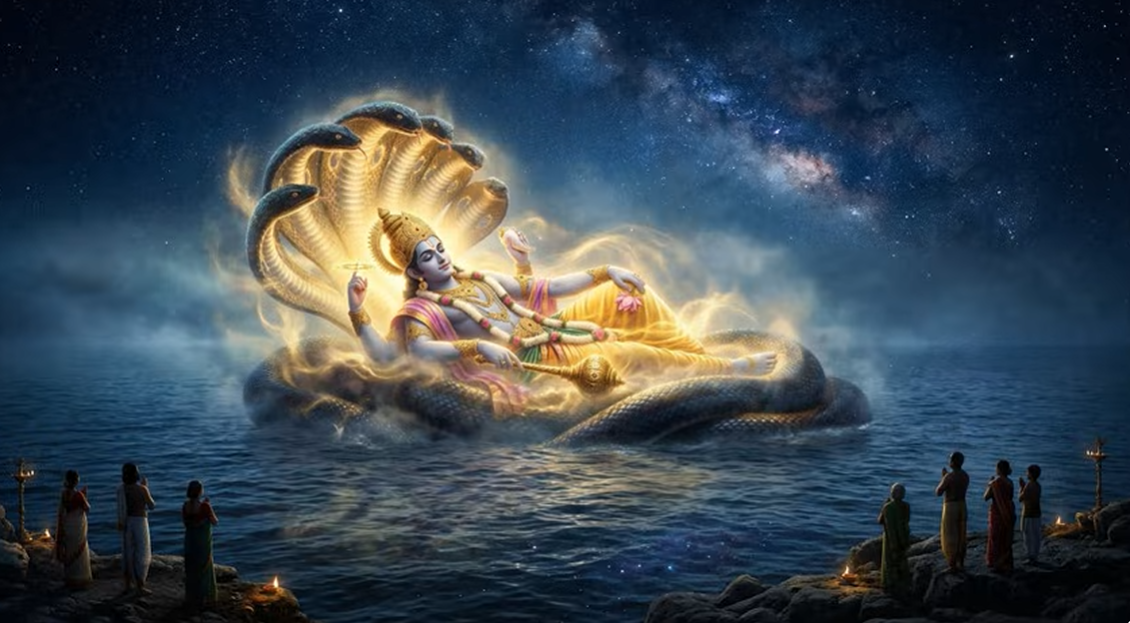
The sixth avatar of Vishnu, the warrior sage who withdrew to the mountains at the end of his own age, who has been
sitting there in austerity in absolute stillness, performing tapas of a duration and intensity that no human
tradition has adequate language to describe since before Kaliuga fully descended.
He has been waiting for this precise moment for longer than any currently living civilization has existed.
Think about what that means.
An immortal being sitting in complete stillness, holding the full weight of an ancient knowledge intact.
Not as text, not as doctrine,
but as living understanding through every decade and every century of the dark age,
not diminishing, not forgetting,
simply waiting with the absolute patience of something that does not age and cannot be worn down by time.
for the morning it was placed there to meet.
The Khalki Purana says Parasurama will emerge from his Himalayan retreat when Khalki comes will present himself as
teacher will give [music] the 10th avatar everything he has preserved. All the knowledge kept perfectly intact, without
distortion, without the gradual degradation that affects every transmission carried through ordinary
mortal chains across every century of the dark age, through every generation of the forgetting,
through the full unbroken patient duration of the noise.
The transmission chain did not break. It narrowed to a single immortal thread.
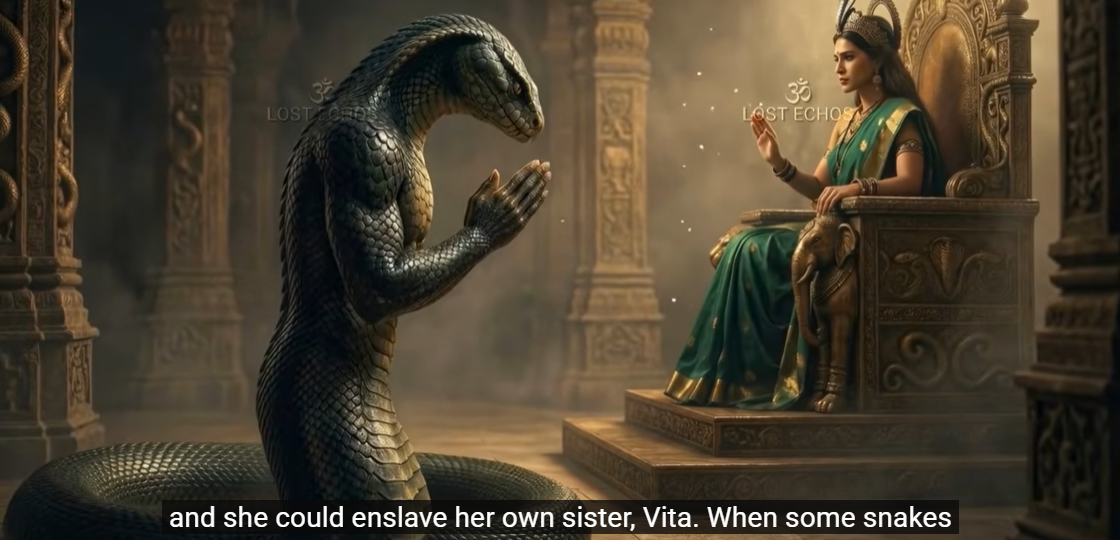
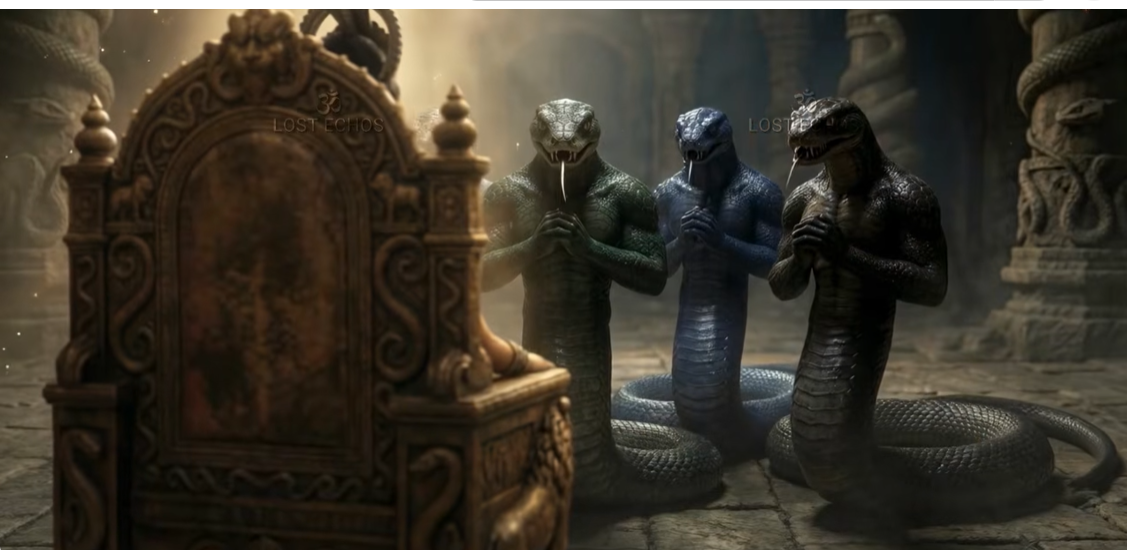
And that thread has been held with complete steadiness and complete patience through the longest night in the memory of this cycle.
Waiting for the morning that makes it finally possible to pass forward.
Here is where this becomes personal.
The Bhagavatap Purana contains a passage rarely quoted in popular discussions because it complicates the simple
narrative of the powerful avatar descending to rescue a world that played no role in its own awakening.
It says the arrival of Khalki is not separate from the inner awakening of certain human beings that precedes and
accompanies it. that the quality of consciousness beginning to emerge right now in scattered individuals in those
students of the twilight we described in the previous chapter is not merely a sign of what is coming. It is part of how it comes.
The avatar does not descend into a world waiting passively for rescue.
The avatar descends into a world that has prepared itself in part for the descent. that has developed through the specific difficulty of the dark age,
through the quality of effort required to reach toward the sacred in an age organized to prevent that reaching.
A capacity that creates the conditions for the transmission to occur.
This is the vadic understanding of the divine human relationship at its deepest level.
The gods do not act unilaterally on a world that plays no role in its own awakening.
The relationship is always, even at the scale of cosmic ages, reciprocal.
The divine meets the human exactly at the level of the human’s genuine reaching. No higher, no lower, exactly there.
Which means the question embedded in the Khalki prophecy directed at whoever is encountering it in whatever age they
inhabit is not simply when will Khalki come. The question is, are you part of
the reaching that makes that coming possible?
The khalipurana ends its account of this avatar with one final image.
Into the world of maximum kali, maximum confusion, maximum forgetting, the sacred reduced to performance, wisdom
reduced to product. Human beings so thoroughly identified with the surface of their experience that the depth has
become for most of them not merely unreachable but literally unimaginable.
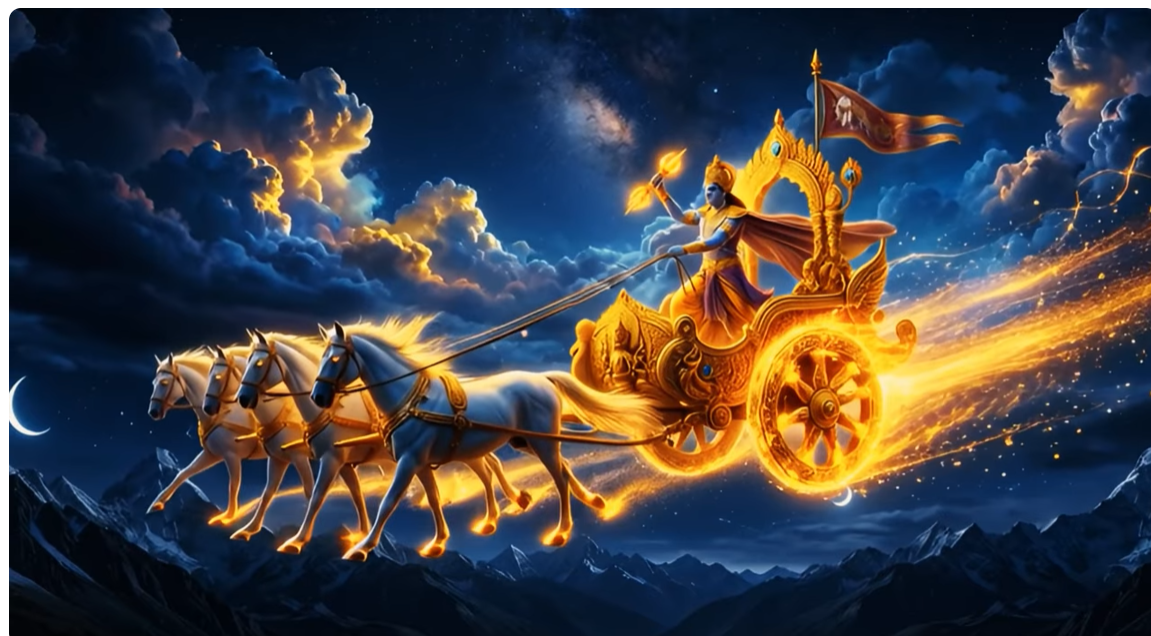
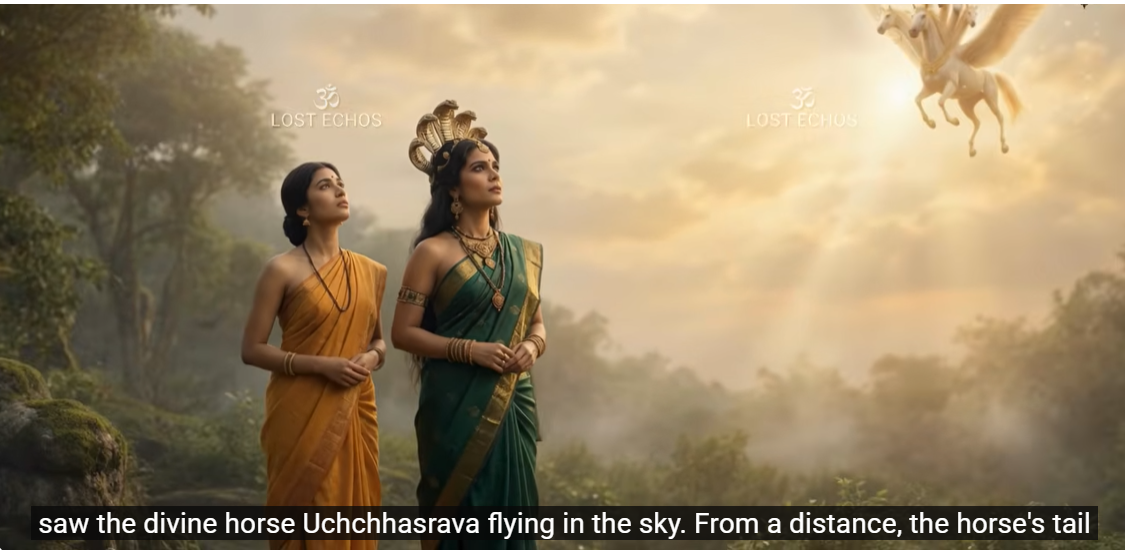
A white horse appears on the horizon.
The white horse is the ancient symbol of solar intelligence. The quality of consciousness that moves like light that
cannot be stopped by any accumulated thickness of darkness. However long that darkness has been building, however
completely it has covered the landscape beneath [music] it, that arrives not through the gradual processes of ordinary causation, but through a
directness that bypasses every obstacle between the source and its long awaited destination.
The rider carries a sword that blazes like a comet.
And the first thing that sword touches before any external corruption, before any restructuring of the physical or
social or political world, before any visible transformation of the landscape of the age, is the fog in the mind of
the being who is finally genuinely completely ready to see.
The external transformation follows from the internal one, not the other way around.
The end of kaliuga is not something that happens to the world from outside.
It is something that happens in consciousness first and then as that clarity spreads outward from the point
of its arrival. The way light spreads from the horizon in the minutes before sunrise, the world reorganizes itself
around the change. Slowly at first, then [music] faster,
then all at once, like something breaking after being held for too long.
Chapter 5. The moment of transition. What the texts say it actually feels.
Every human being who has lived for the last 5,000 years was born inside it. No living tradition carries the direct
firsthand experiential memory of what it looked, felt, or sounded like from the
inside when an age completed its full turn and the next one began. We have
only the descriptions left behind by those who saw it coming. And the descriptions, as we have been discovering throughout this series, are more specific than most people realize…
CHATGPT: 12.4.2026: Das ist ein ziemlich dichter, fast schon hypnotischer Text – und man merkt, dass er bewusst so gebaut ist, dass er emotional „landet“. Ich geb dir mal eine ehrliche, mehrschichtige Einordnung: spirituell, psychologisch und faktisch.
🧠 1. Was daran stark ist (inhaltlich & rhetorisch):
Ein paar Dinge sind wirklich gut gemacht:
🔹 Die „Atmosphäre“
Der Text erzeugt dieses Gefühl:
„Die Welt ist äußerlich gleich, aber innerlich fehlt etwas.“
Das ist eine sehr archetypische Idee – die findest du nicht nur im Hinduismus, sondern auch:
- im Christentum („Gnade ist gewichen“)
- in der griechischen Antike („Goldenes Zeitalter vorbei“)
- in moderner Kultur („Entfremdung“, z.B. bei Friedrich Nietzsche)
👉 Das spricht etwas Echtes an:
Viele Menschen haben heute tatsächlich das Gefühl von Verlust von Tiefe / Sinn.
🔹 Die Kali-Yuga-Beschreibungen:
Die Beispiele im Text sind nicht zufällig gewählt:
- Informationsüberflutung → wenig Verständnis
- Spiritualität wird zum Markt
- Respektverlust zwischen Generationen
- Klimachaos / Natur-Unordnung
👉 Das wirkt „prophetisch“, ist aber psychologisch clever:
Das sind zeitlose Krisensymptome, die in fast jeder Epoche auftreten – nur in anderer Form.
⚖️ 2. Was daran problematisch / verzerrt ist:
Jetzt kommt der wichtige Gegenpol.
❗ „Das wurde exakt vorhergesagt“
Das ist der Kern-Trick solcher Videos.
Die Texte wie:
- Mahabharata
- Bhagavata Purana
- Kalki Purana
sind:
- über Jahrhunderte gewachsen
- mehrdeutig formuliert
- oft symbolisch, nicht konkret historisch
👉 Man kann sie im Nachhinein extrem gut auf die Gegenwart mappen.
Das nennt man:
🧠 Retrofitting (hineininterpretieren nachträglich)
❗ „Das ist keine Ursache, sondern ein kosmischer Zustand“:
Das ist philosophisch interessant – aber auch gefährlich.
Denn die Aussage:
„Es ist nicht unsere Schuld, sondern ein kosmischer Zyklus“
kann zwei Effekte haben:
- 👍 Entlastung (kein Schuldgefühl)
- 👎 Passivität („Man kann eh nichts ändern“)
👉 Viele spirituelle Systeme balancieren das – das Video kippt leicht Richtung Determinismus.
❗ „Siddhas konnten die Zukunft exakt sehen“:
Das ist eine Glaubensaussage, keine überprüfbare Tatsache.
Die Figur der Siddhas gehört zur Tradition von:
- Hinduismus
- speziell Tantra & Siddha-Schulen
👉 Historisch:
- Es gibt keine Belege für „exakte Zukunftsvisionen“
- Aber: starke introspektive & psychologische Erkenntnisse
🧩 3. Der tiefere Kern (der eigentlich interessant ist):
Wenn man den Text entmystifiziert, bleibt etwas ziemlich Spannendes übrig:
👉 These des Videos:
Die Welt wird „lauter“, oberflächlicher, fragmentierter – und echte Erkenntnis wird schwerer.
Das ist erstaunlich nah an moderner Analyse, z.B.:
- Informationszeitalter → Aufmerksamkeit zerstreut
- Social Media → Spiritualität als Content
- Konsum → Identität über Oberfläche
💡 Besonders stark:
„Die Veränderung beginnt im Bewusstsein, nicht außen.“
Das ist kein esoterischer Gedanke – das findest du auch bei:
- Carl Jung
- modernen Psychologen
- sogar Neurowissenschaften (Wahrnehmung formt Realität)
🧭 4. Meine ehrliche Gesamtbewertung:
🔥 Was ich daran gut finde:
- Atmosphärisch sehr stark
- Trifft reale Zeitgefühle
- Hat echte philosophische Tie
⚠️ Was ich kritisch sehe:
- Übertreibt „Prophezeiungs-Genauigkeit“
- Vermischt Mythos + moderne Probleme
- Kann unterschwellig fatalistisch wirken
🧠 5. Wenn man es „richtig“ liest:
Dann nicht so:
„Die Götter kommen bald zurück und retten alles“
Sondern eher so:
„In chaotischen Zeiten wird es schwieriger, klar zu sehen – aber genau das macht innere Entwicklung wertvoller.“
Das ist eigentlich die reifere Lesart.
🧩 Mein Fazit für dich persönlich:
Ich würde das Video so einordnen:
👉 kein Beweis für kosmische Prophezeiung
👉 aber ein sehr gutes Stück moderner spiritueller Narrativkunst
Es nutzt alte Texte, um ein Gefühl zu erzeugen, das viele heute wirklich haben:
„Etwas ist aus der Welt verschwunden.“
Wenn du willst, kann ich dir das noch tiefer auseinandernehmen – z.B.:
- welche Stellen wirklich aus den Originaltexten stammen
- oder ob die 5000-Jahre-Kali-Yuga-Zeitrechnung überhaupt stimmt (da gibt’s nämlich massive Widersprüche)