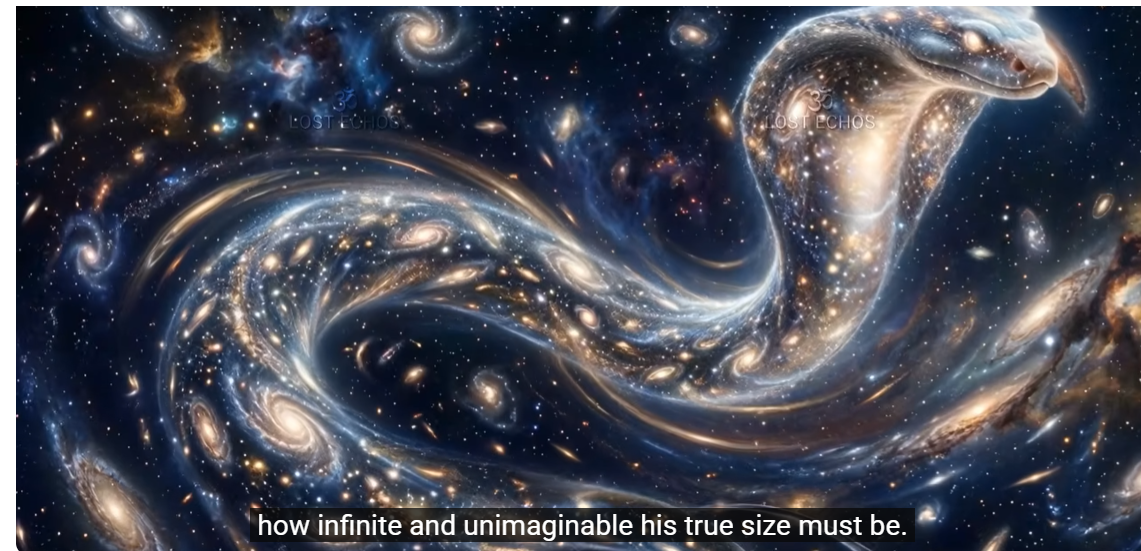
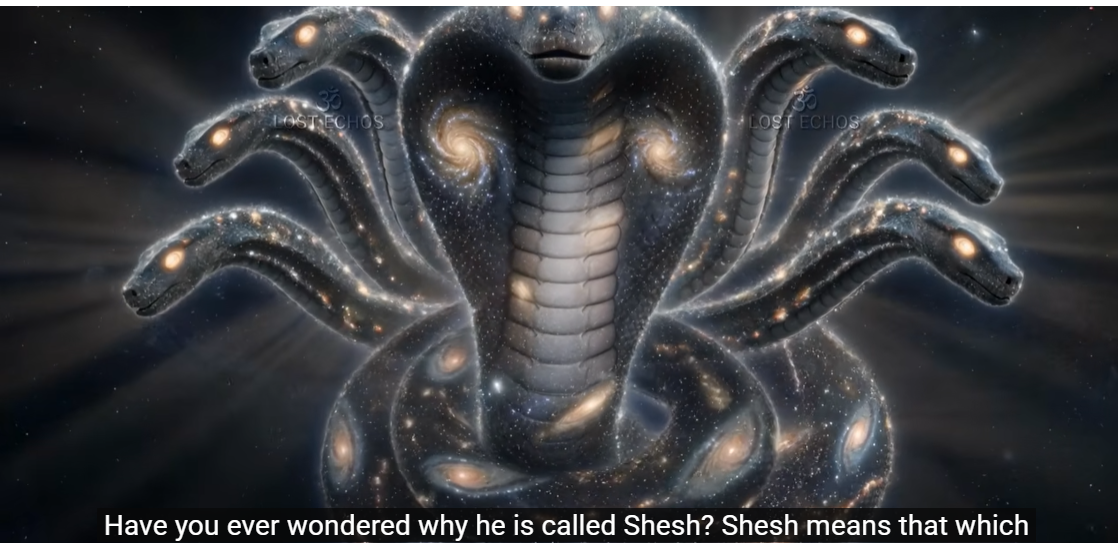
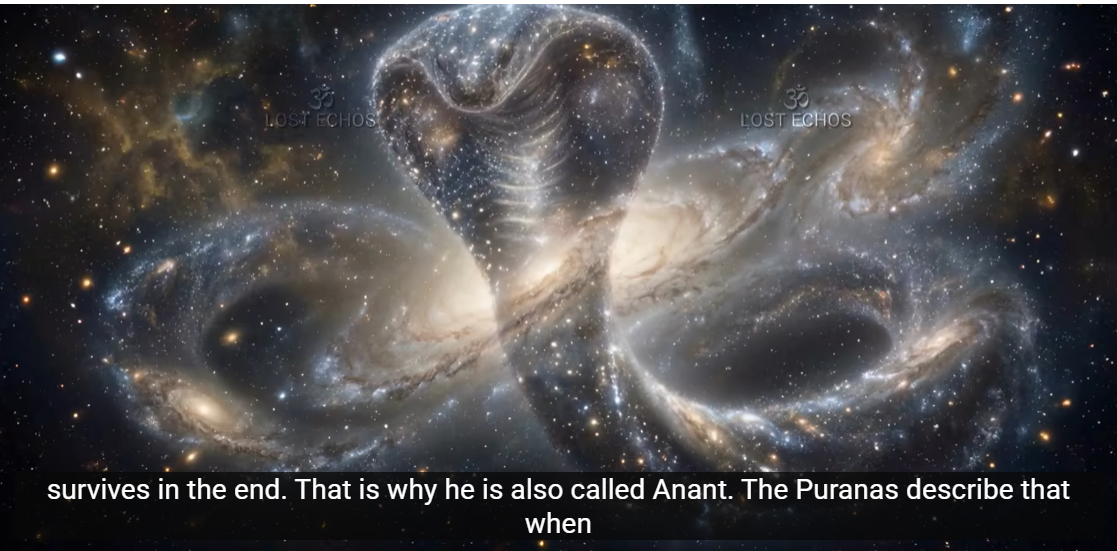
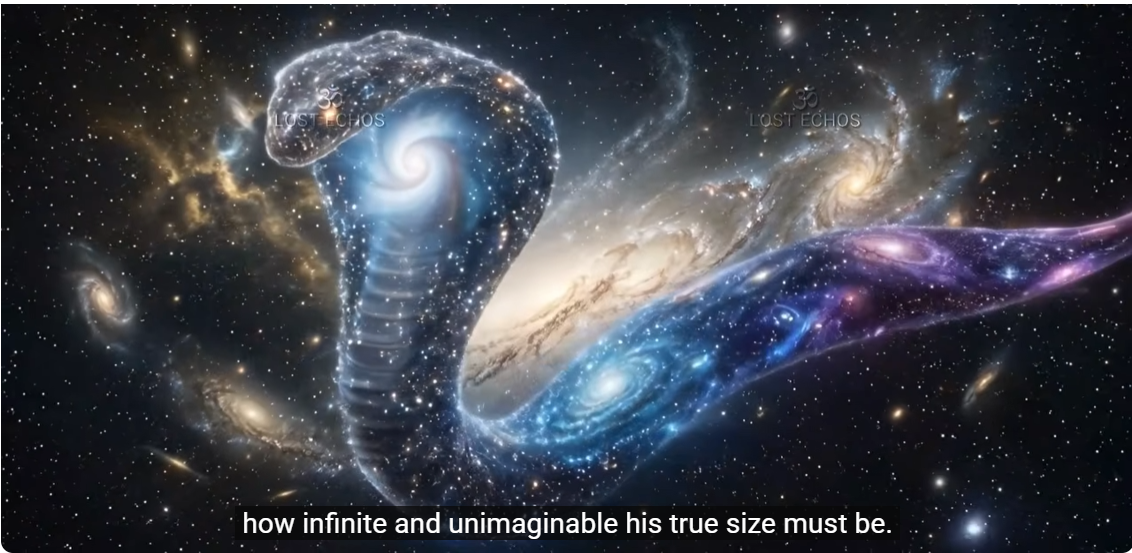
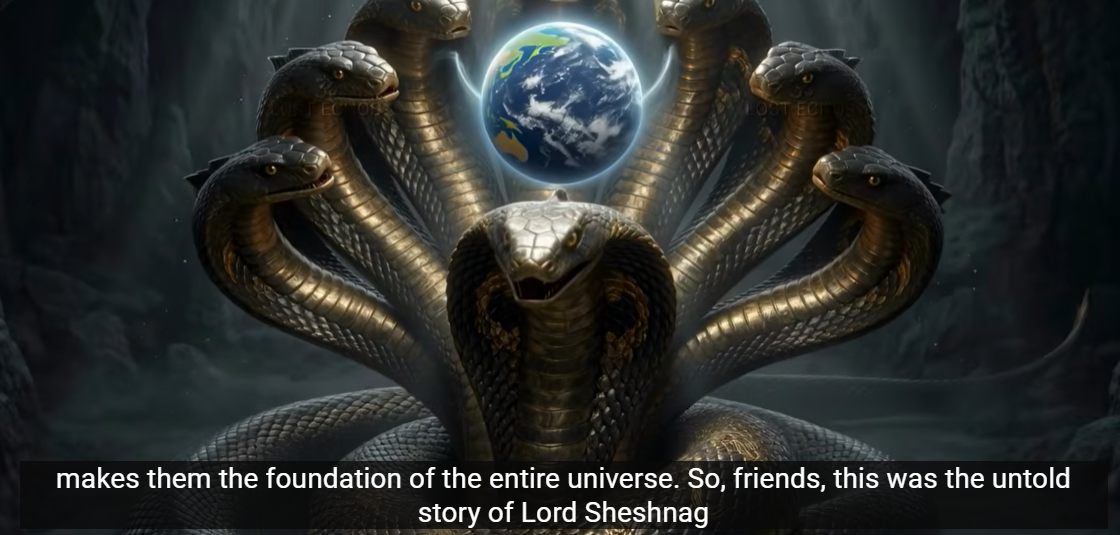
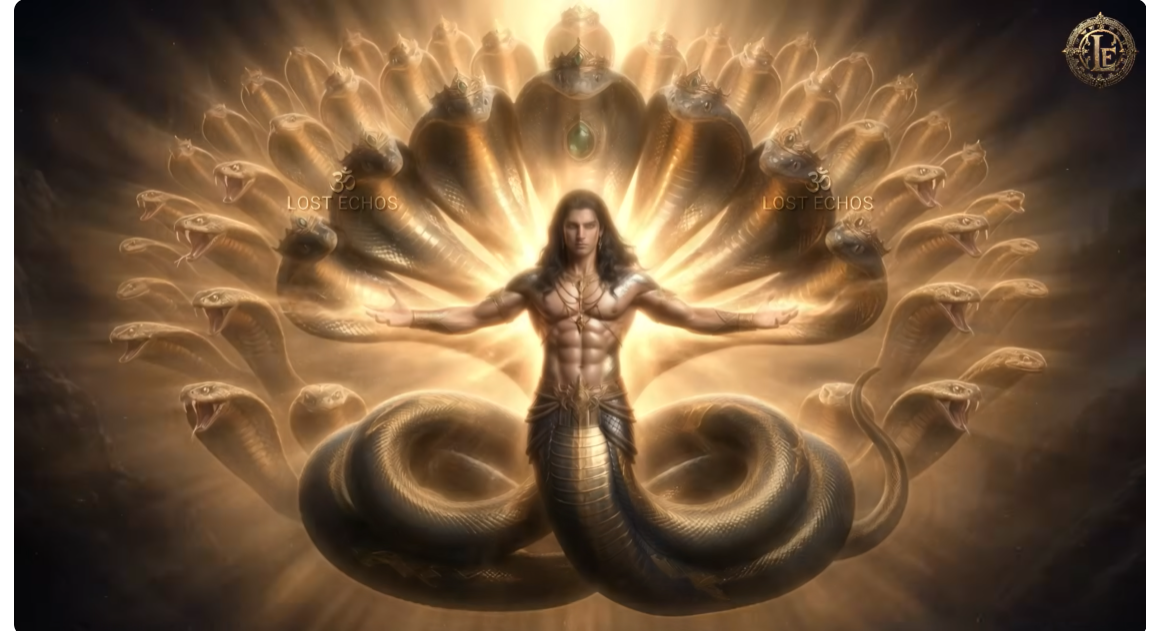
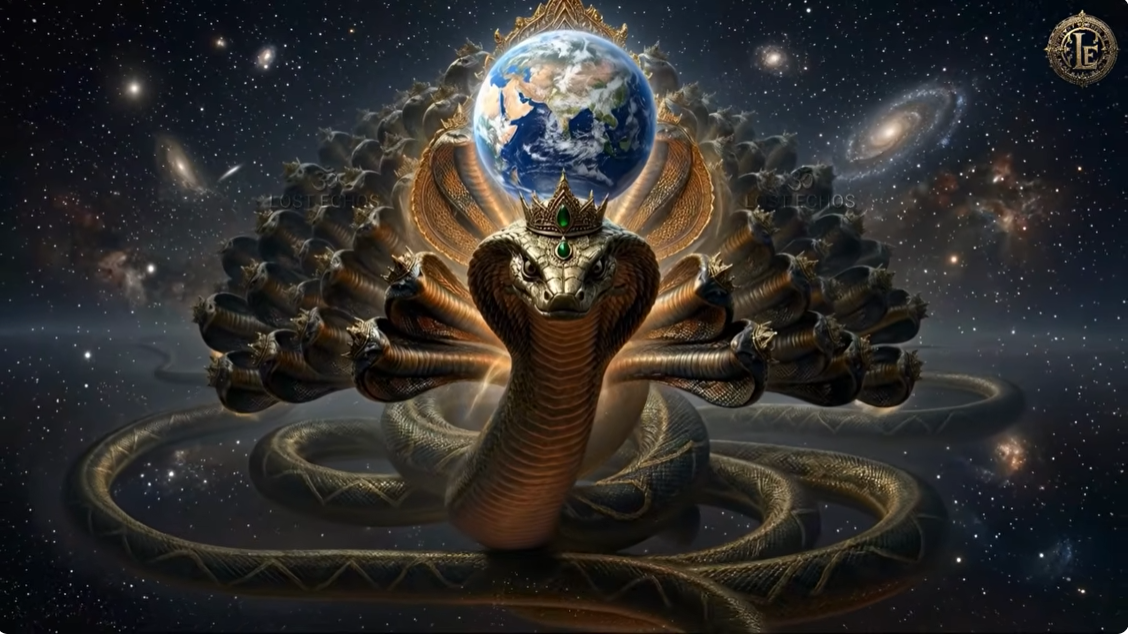
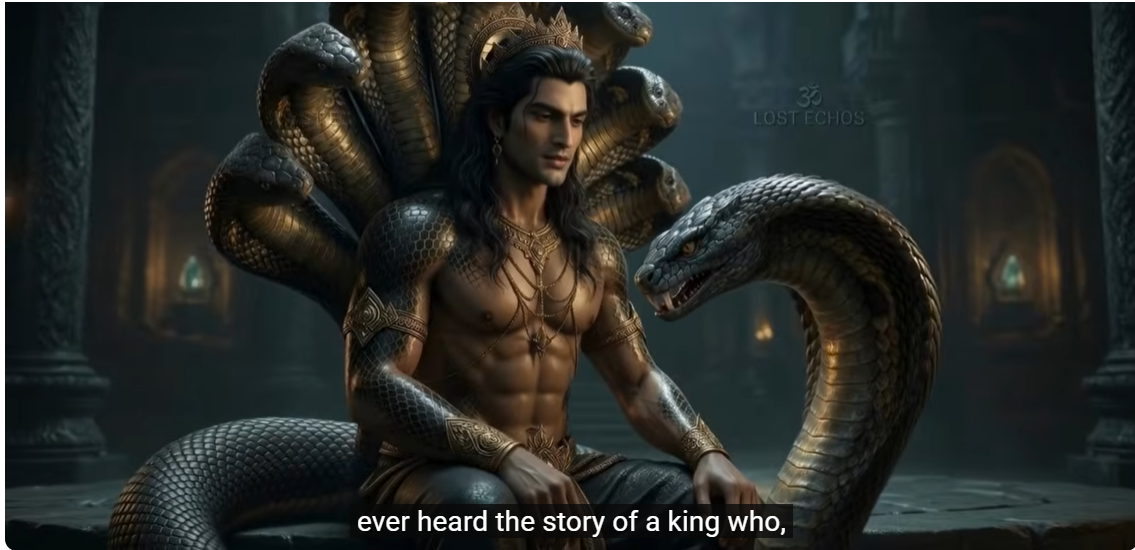
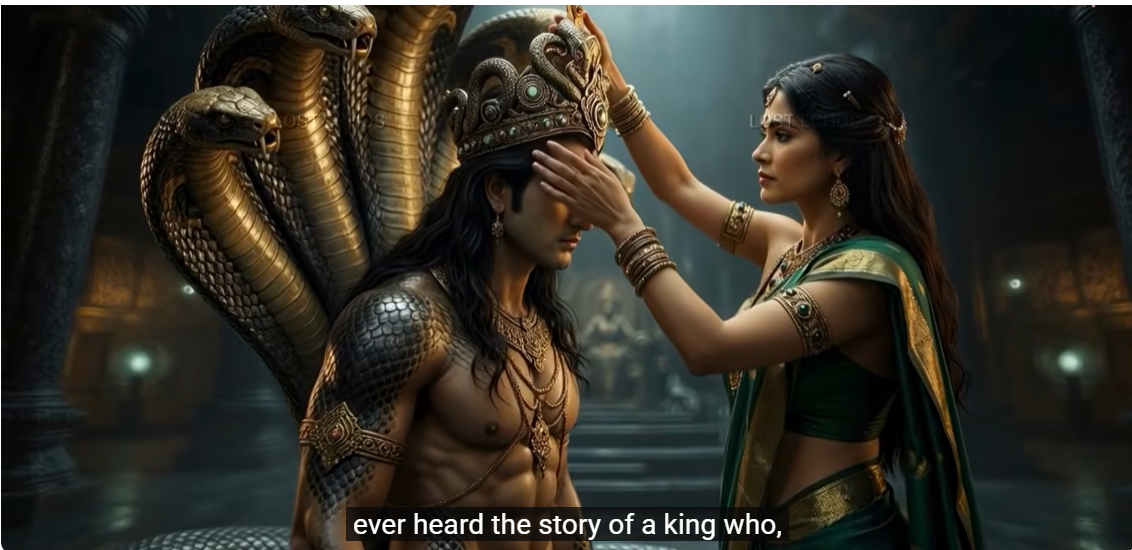
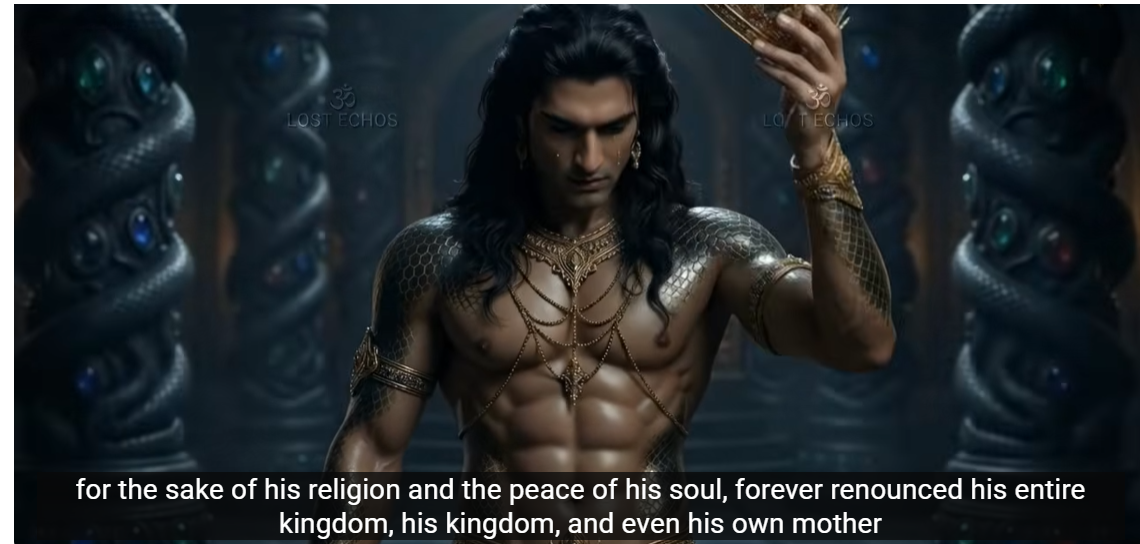
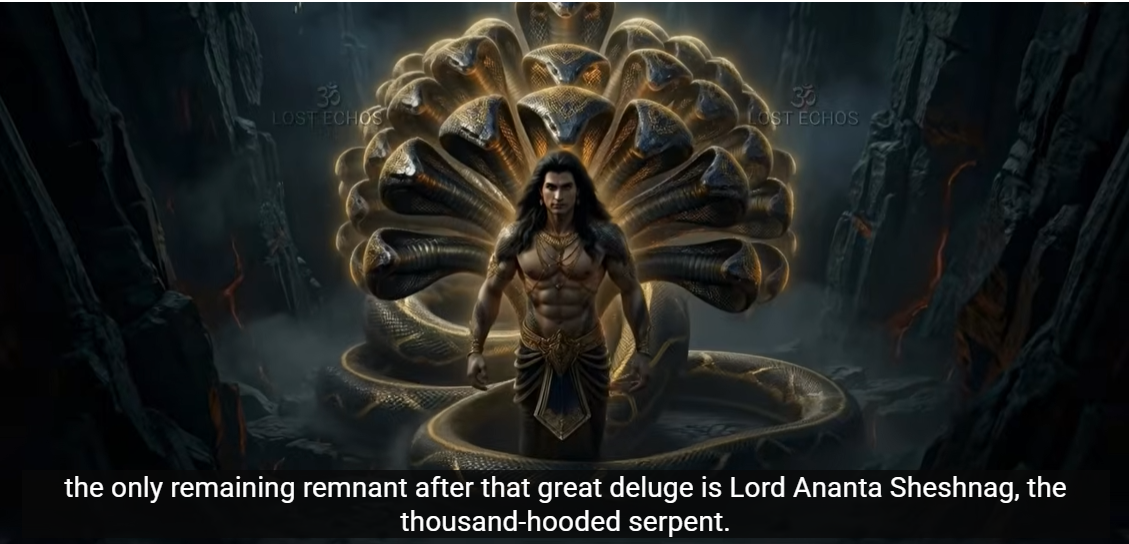
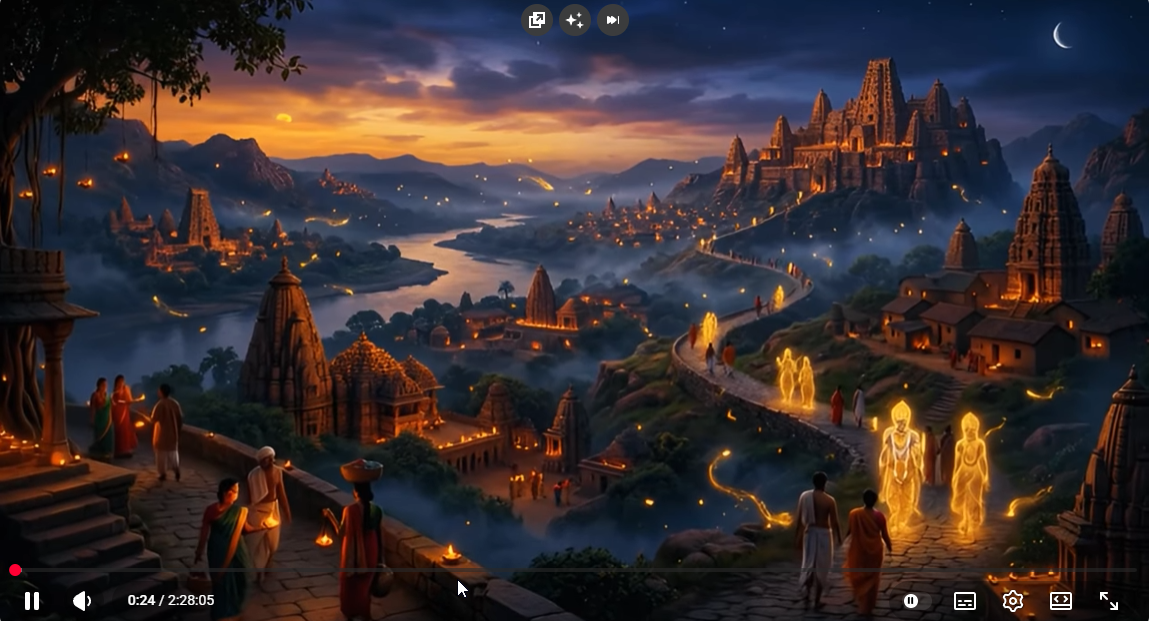
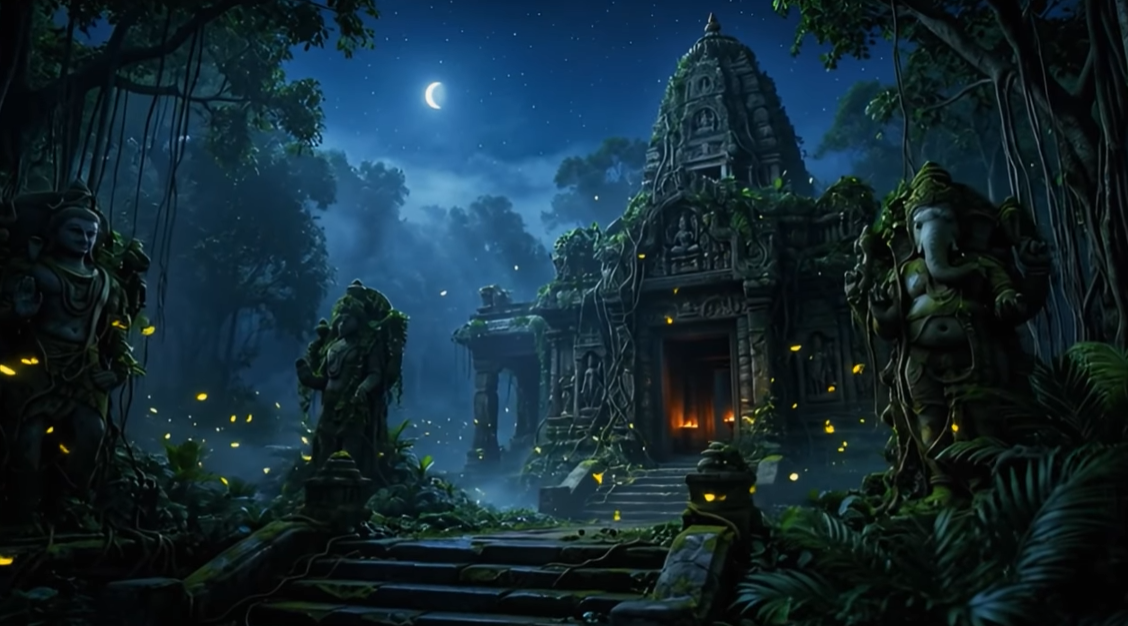
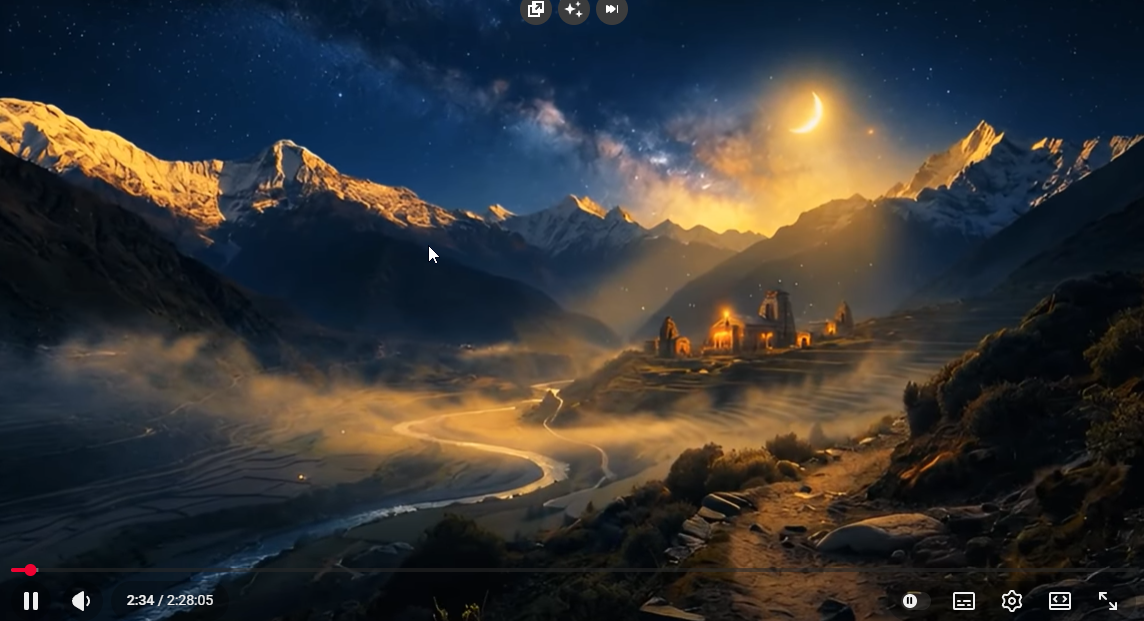
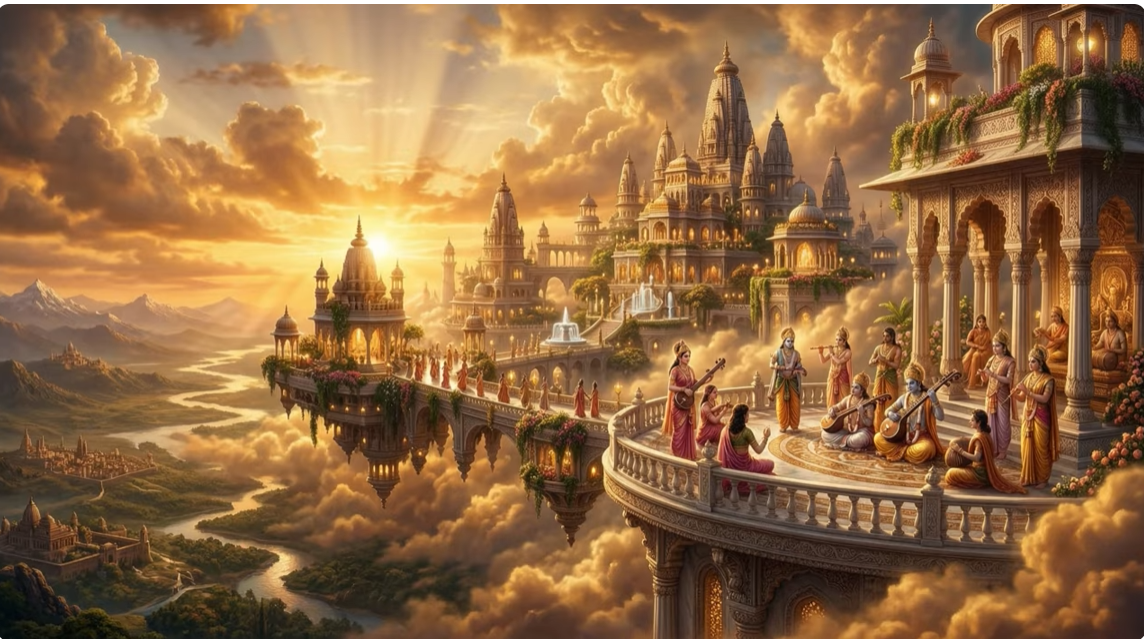
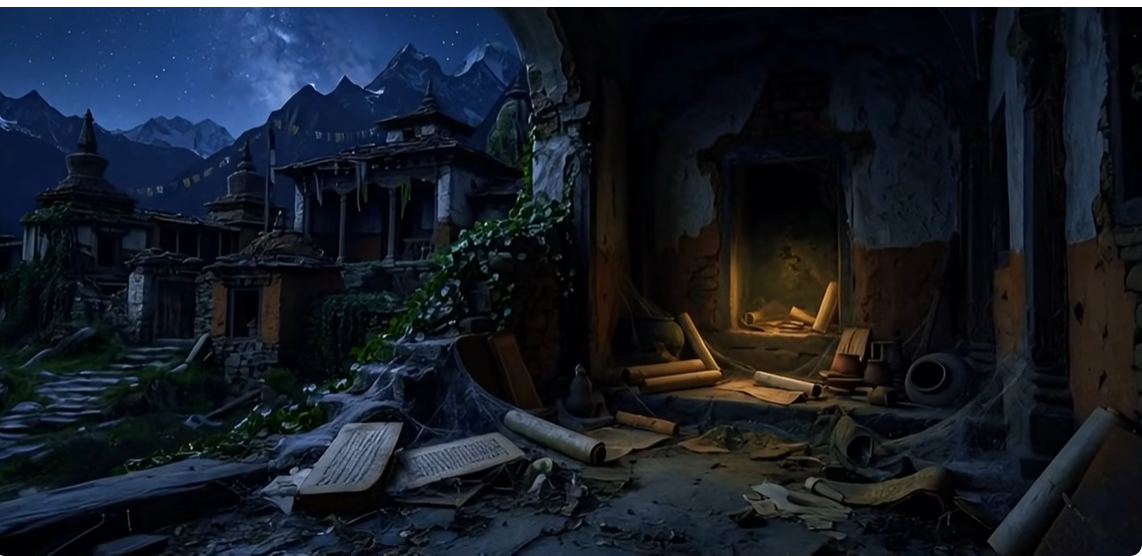
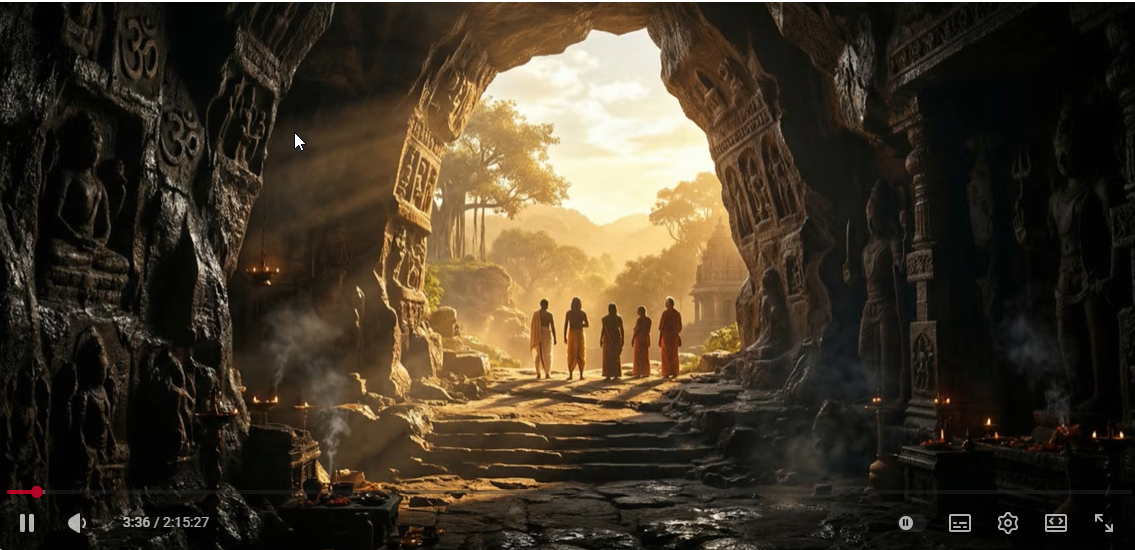
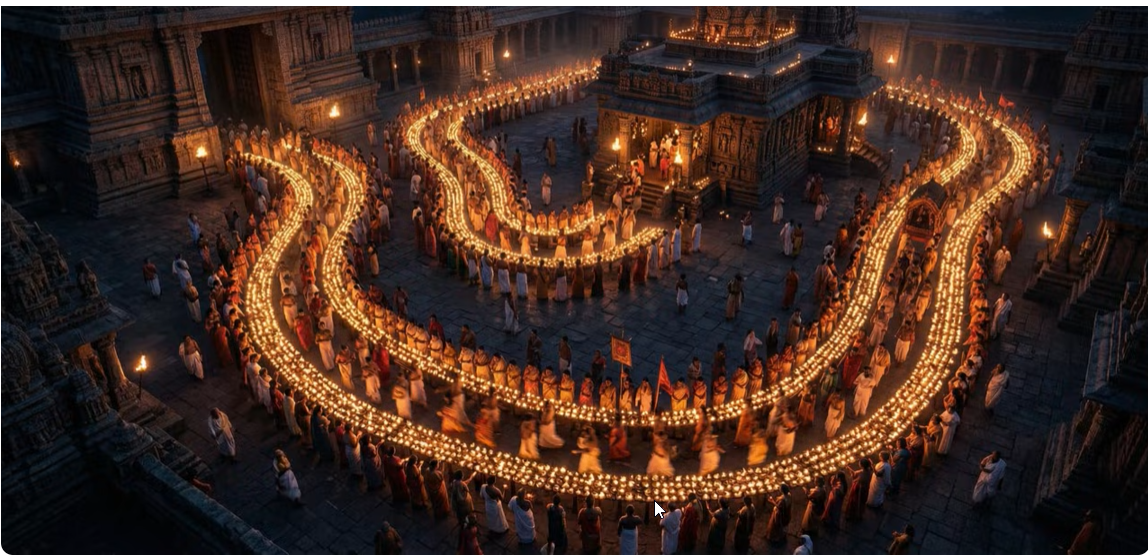
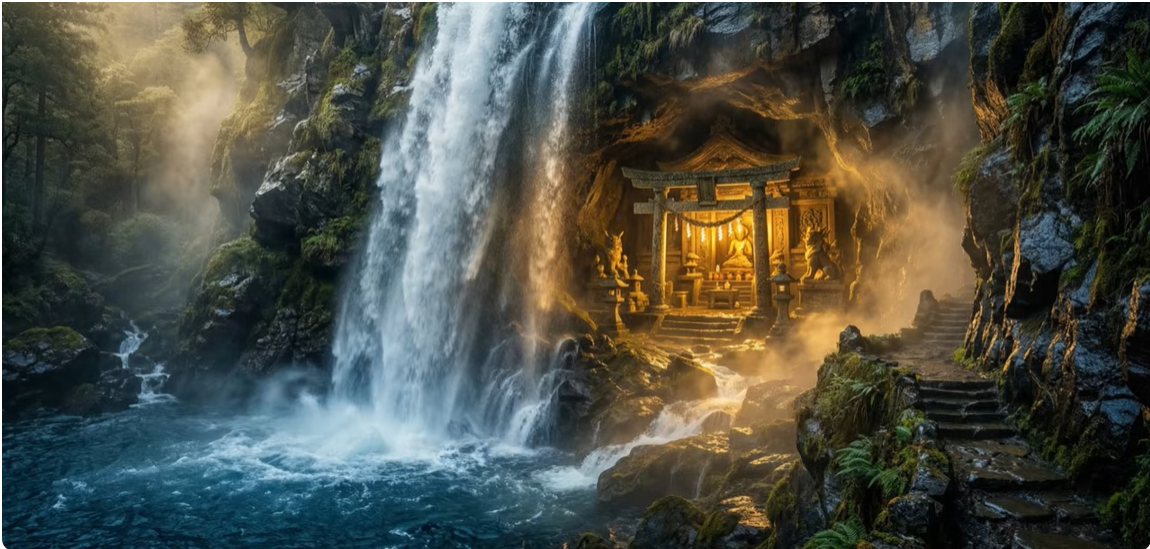
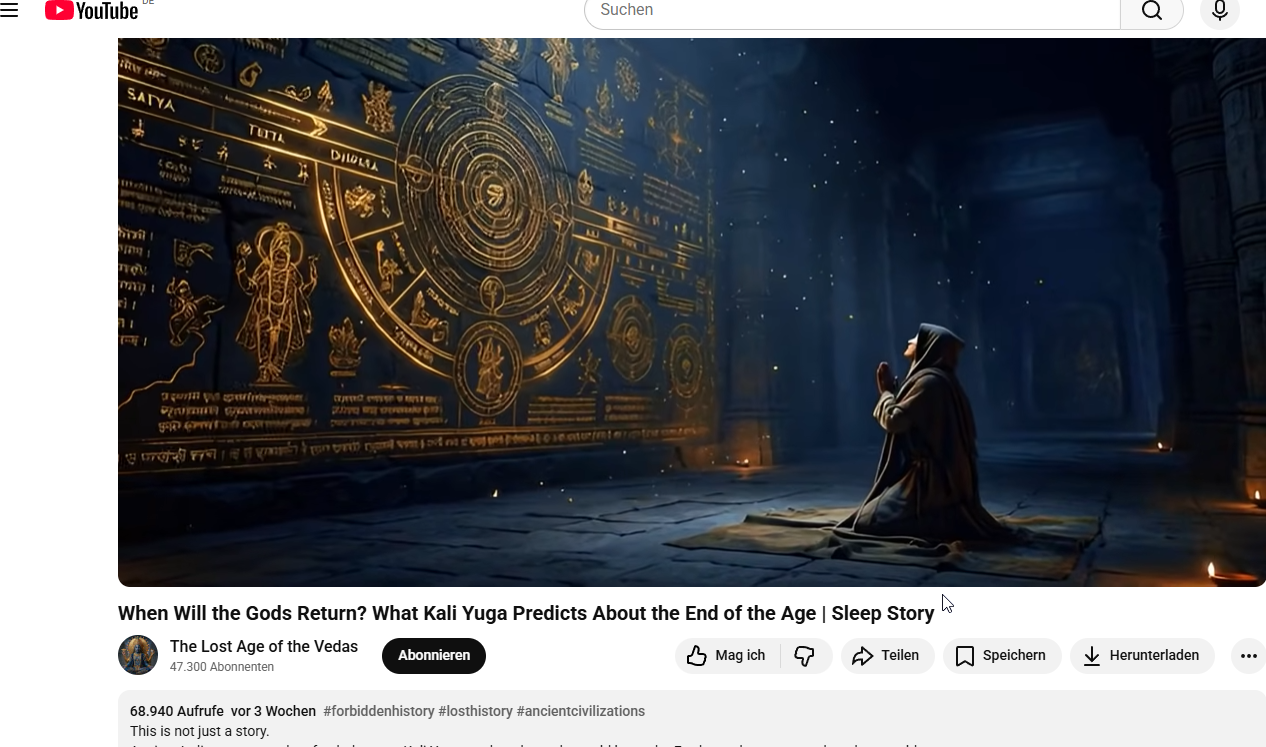
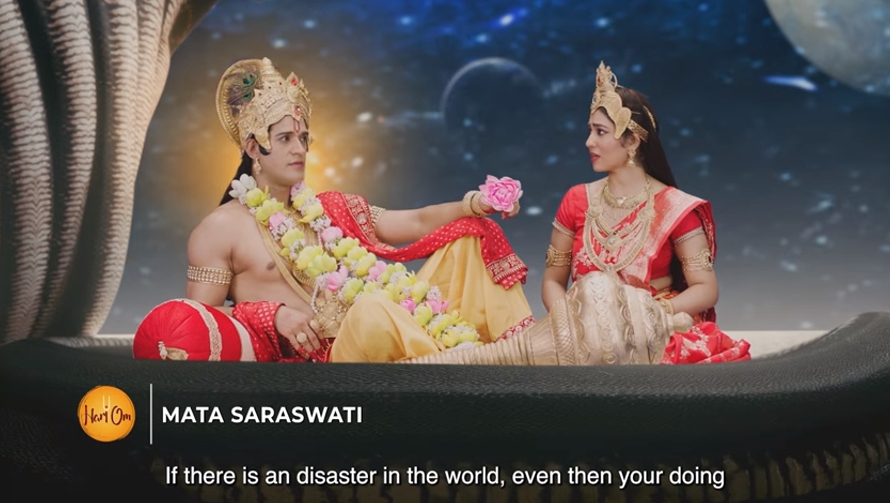
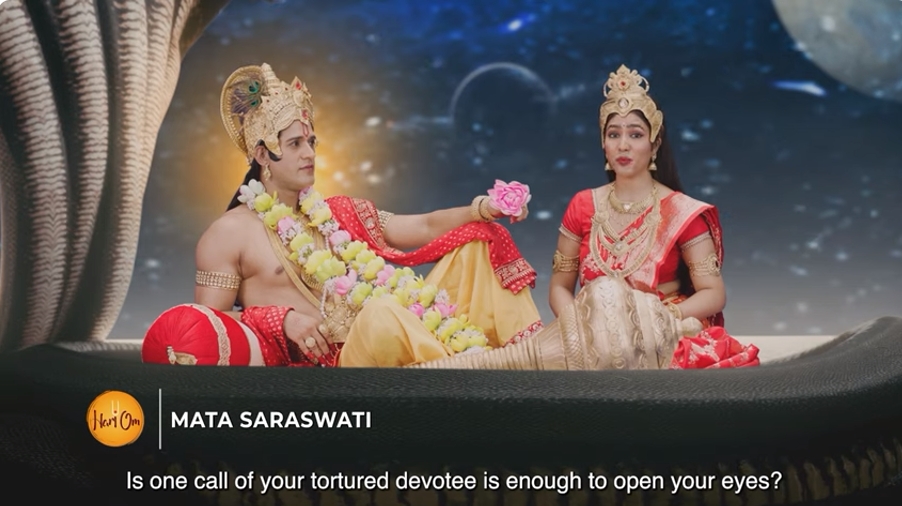
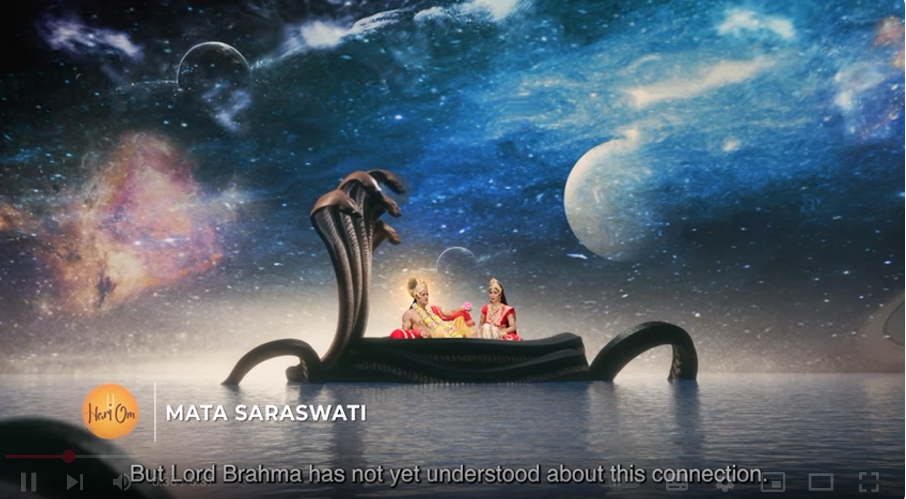
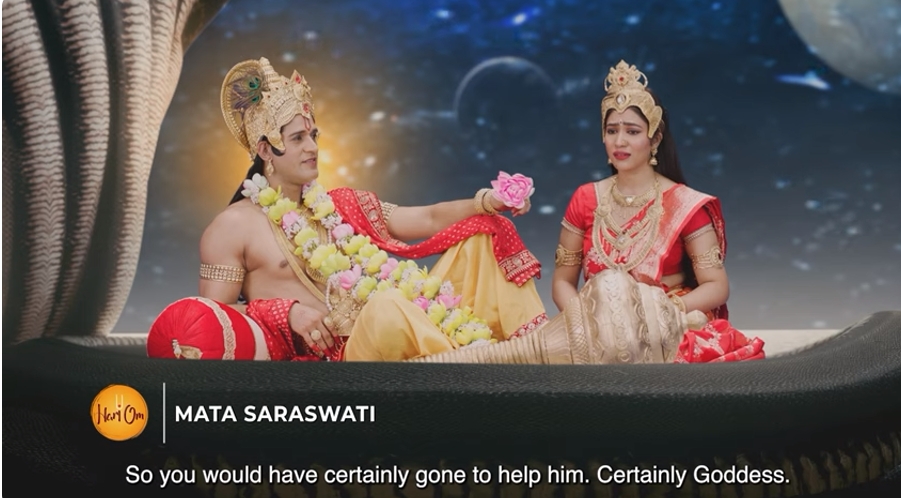
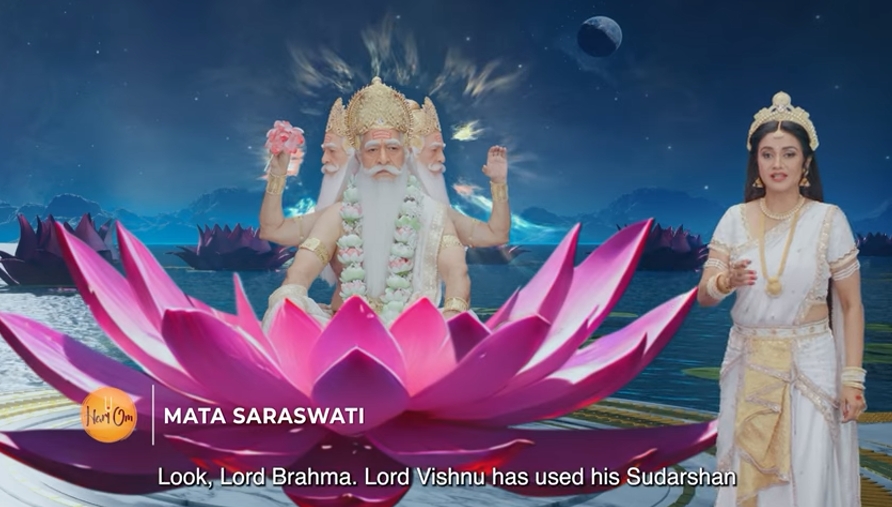
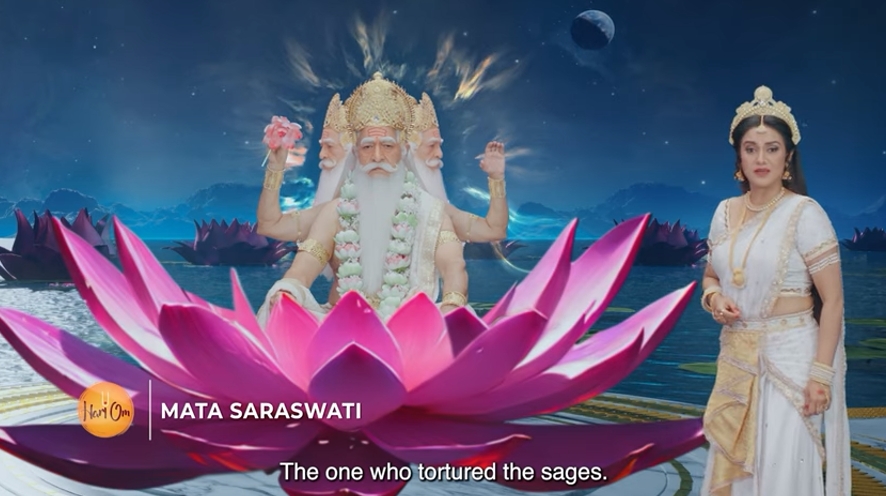
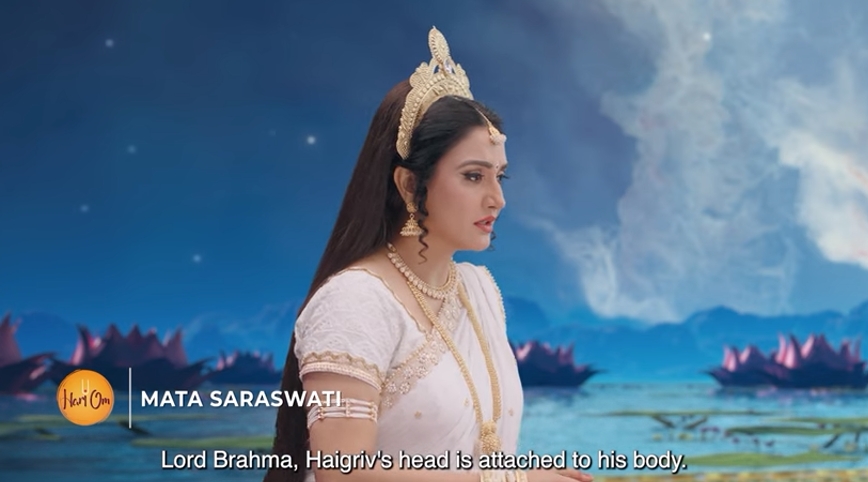
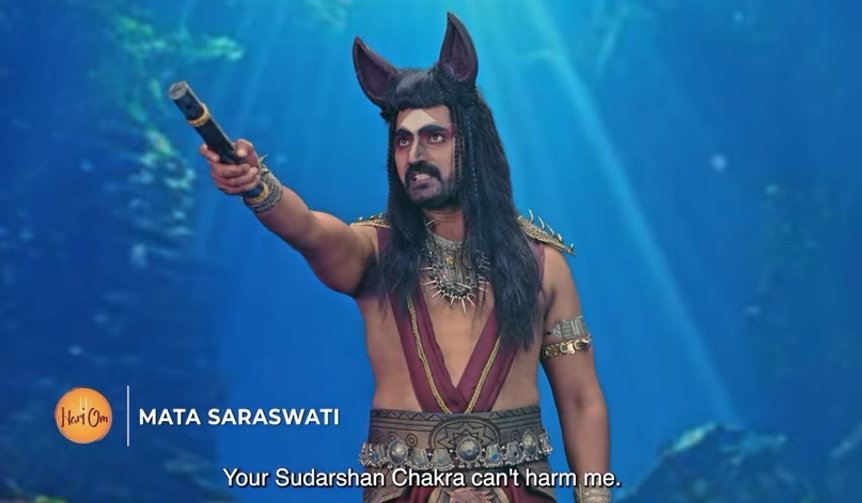
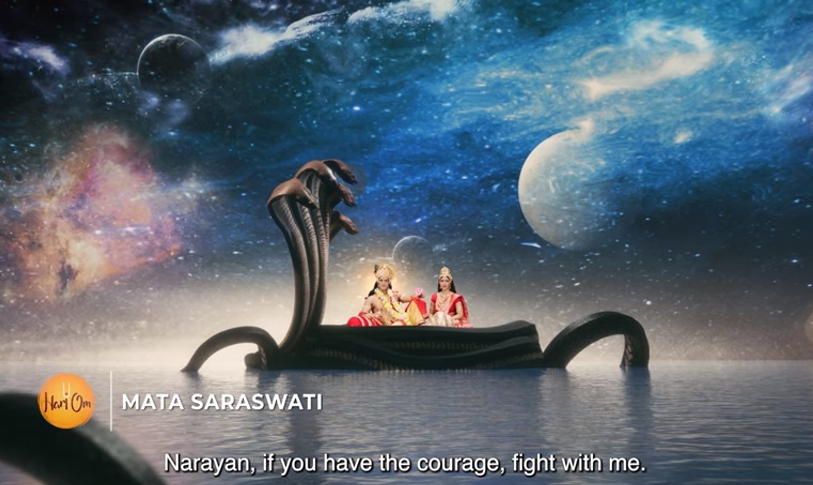
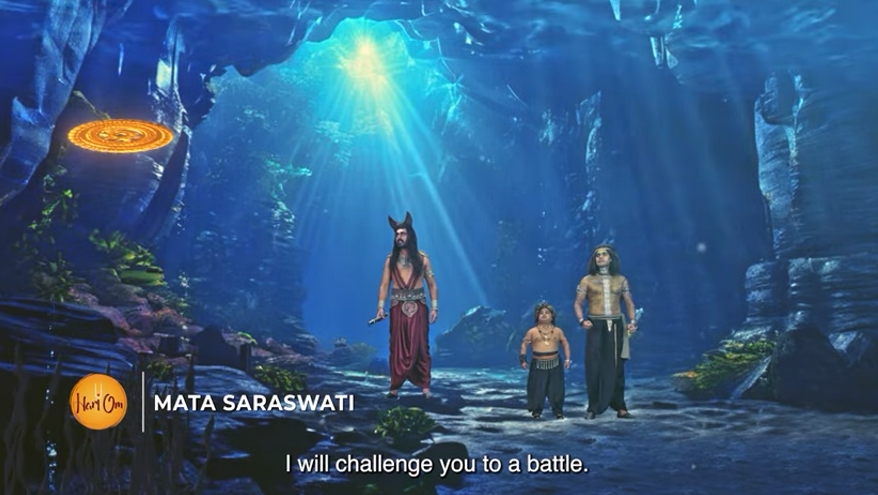
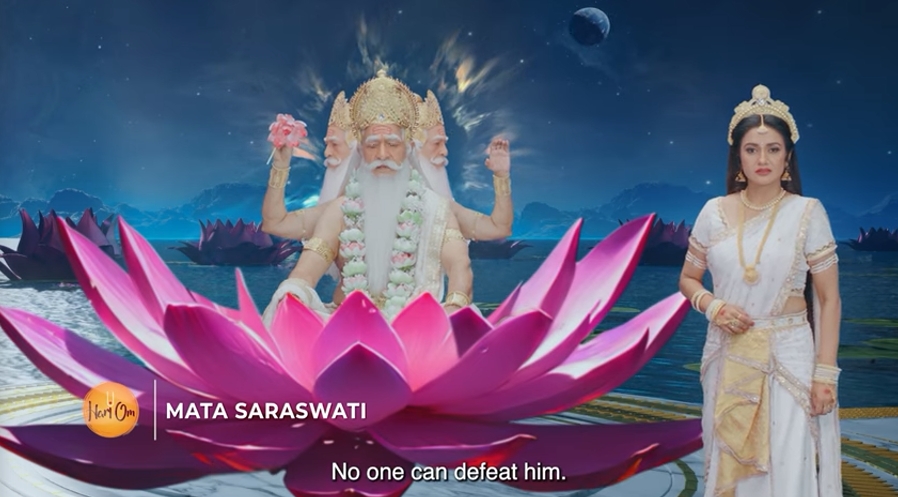
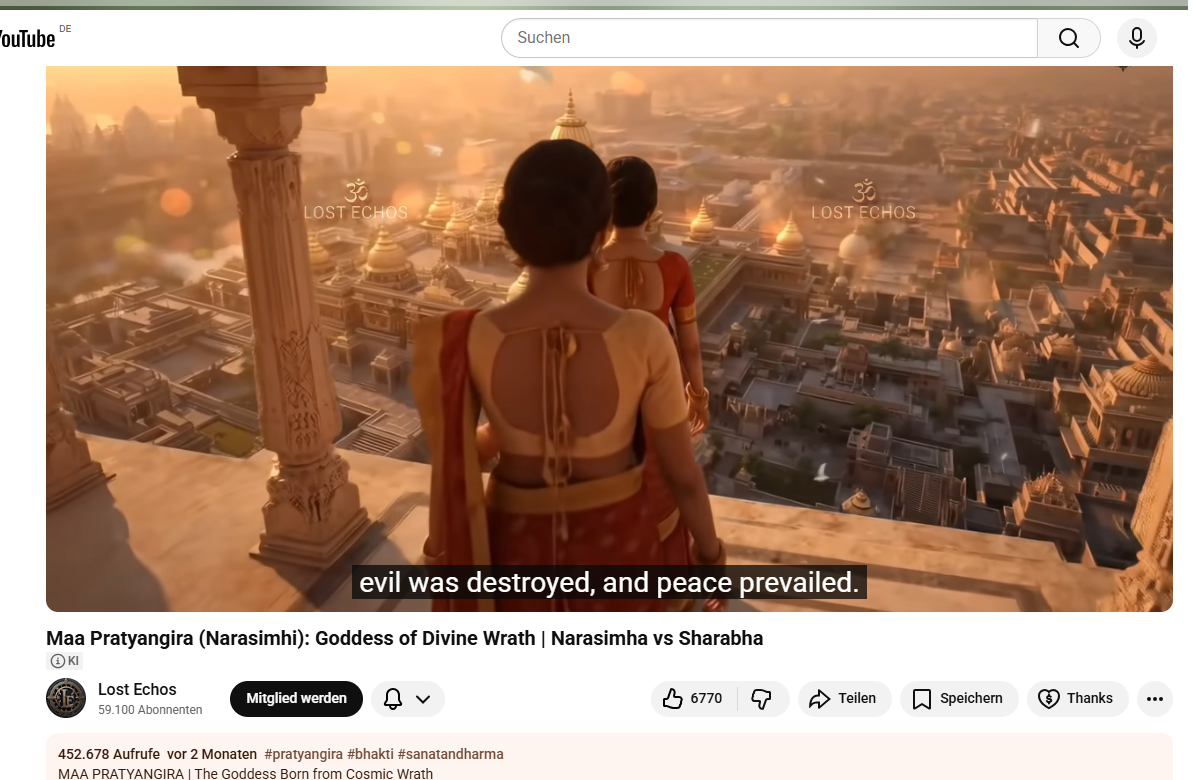
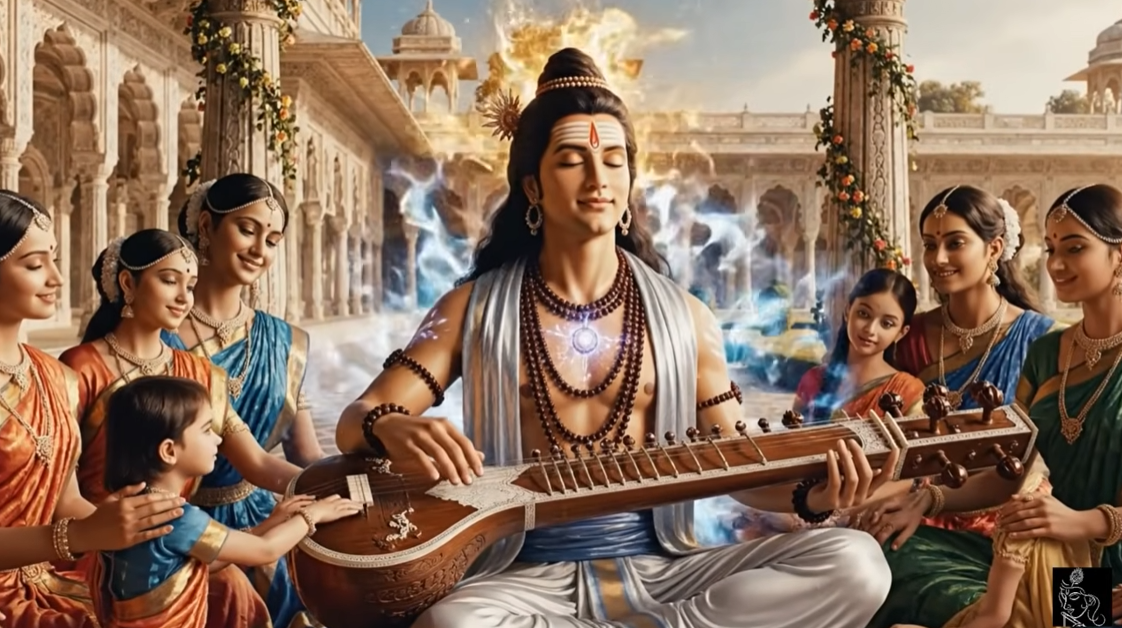
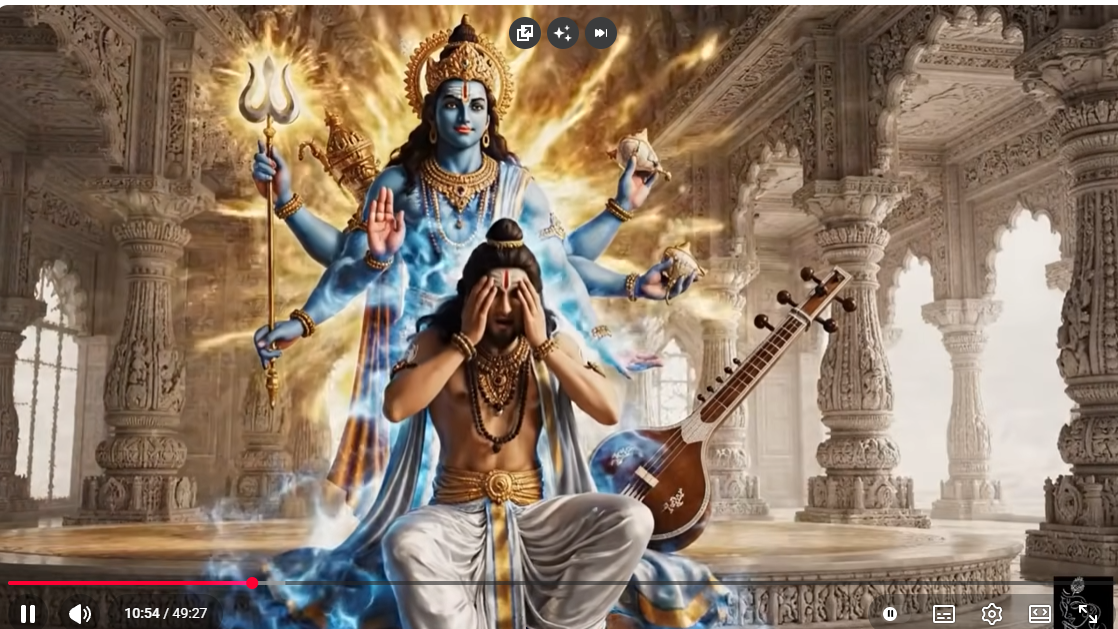
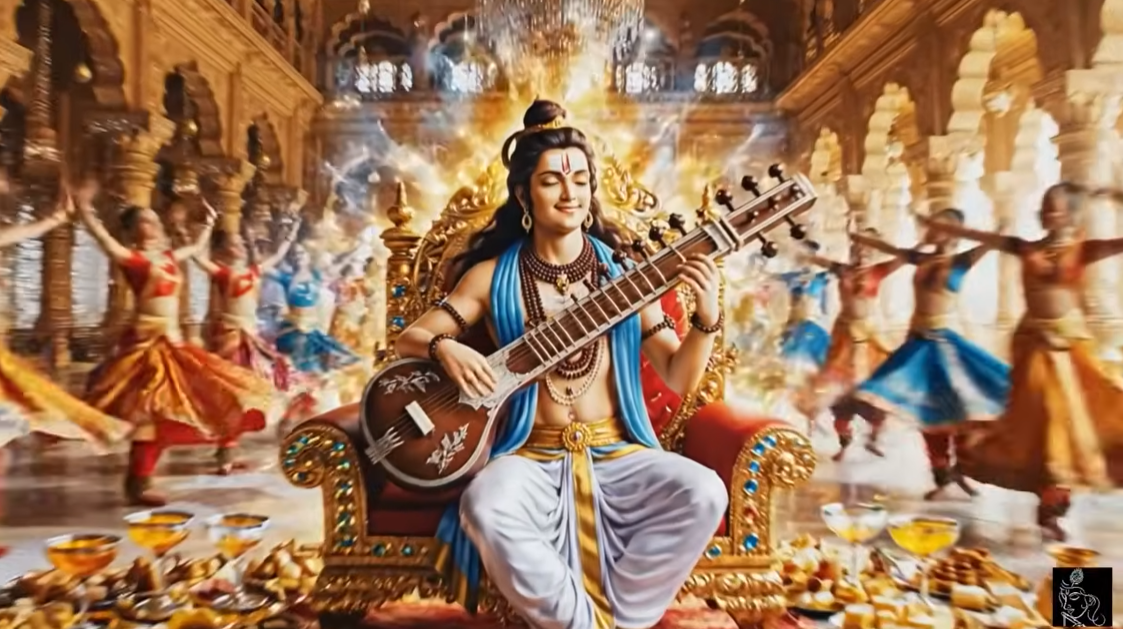
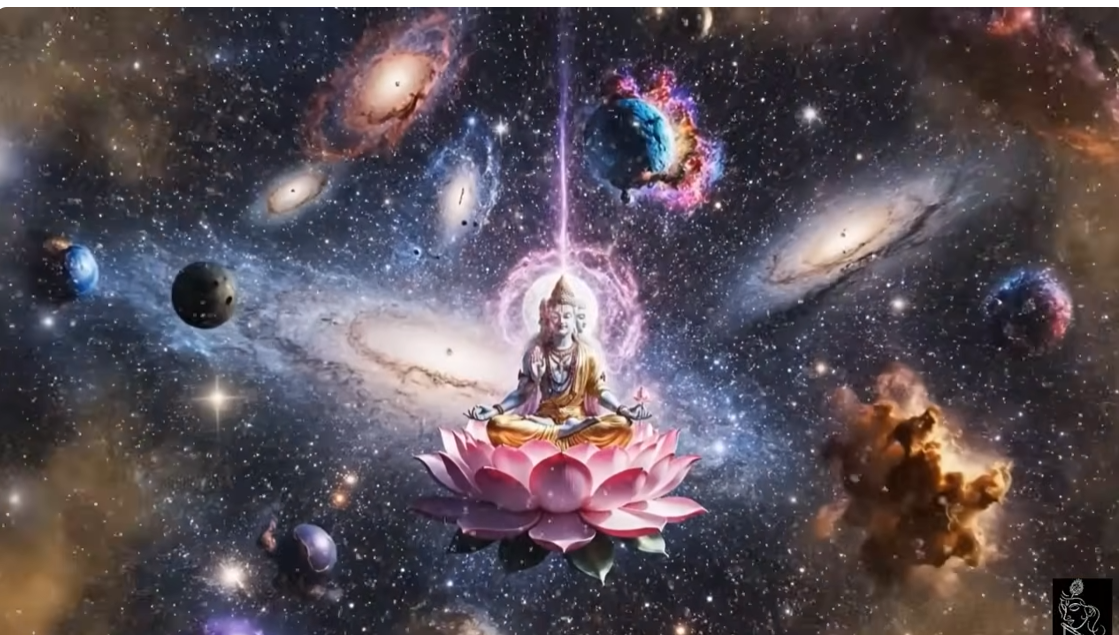
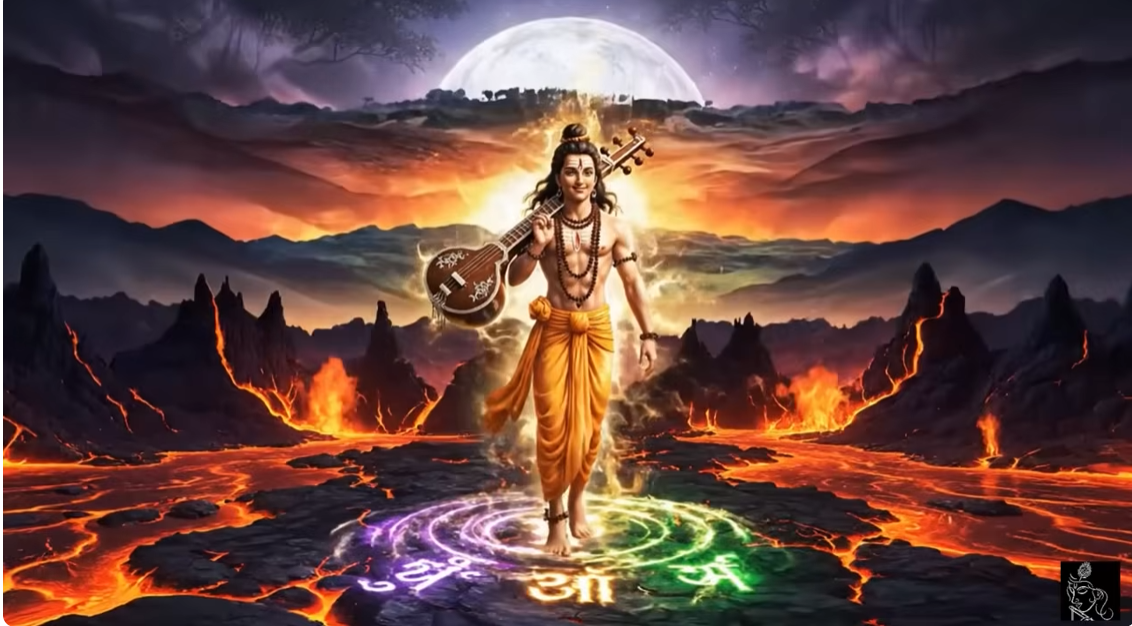
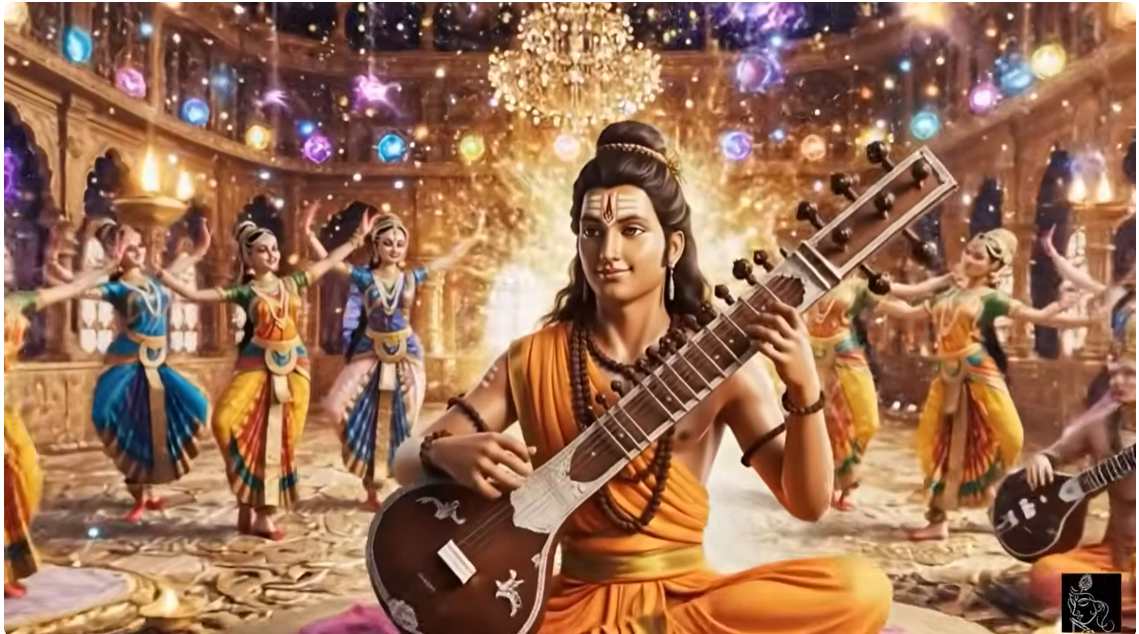
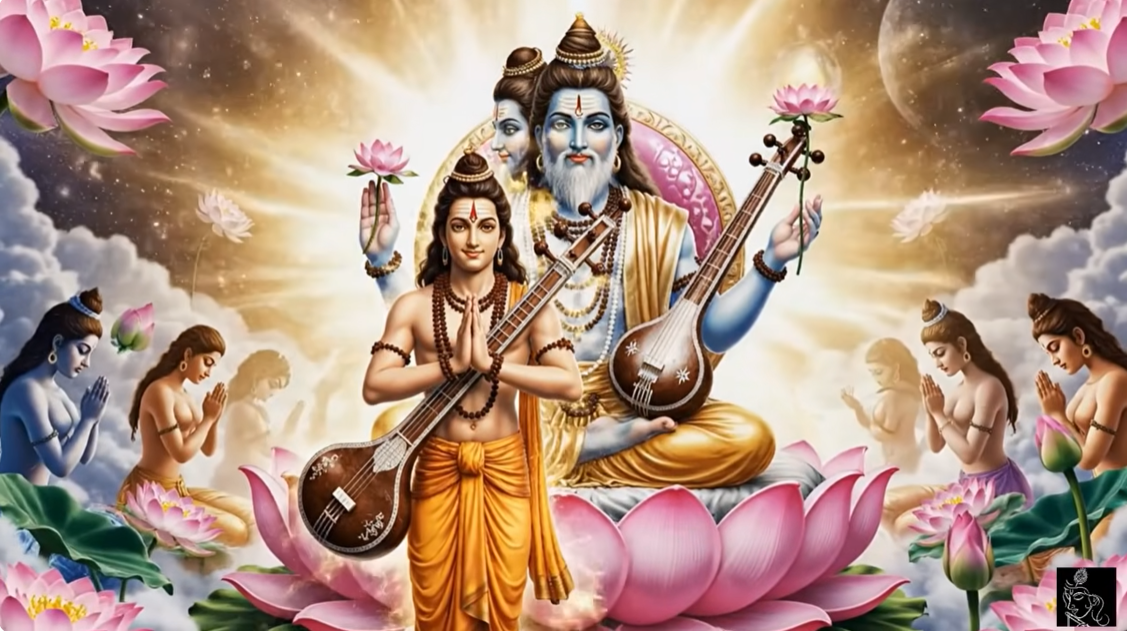
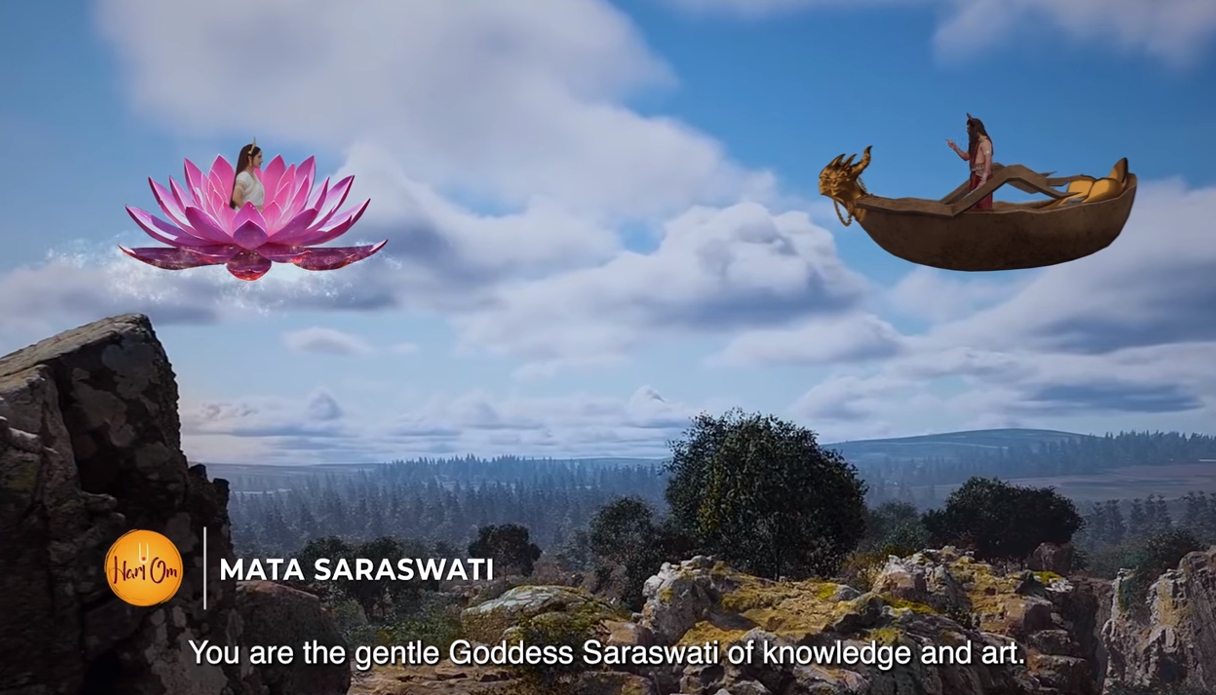
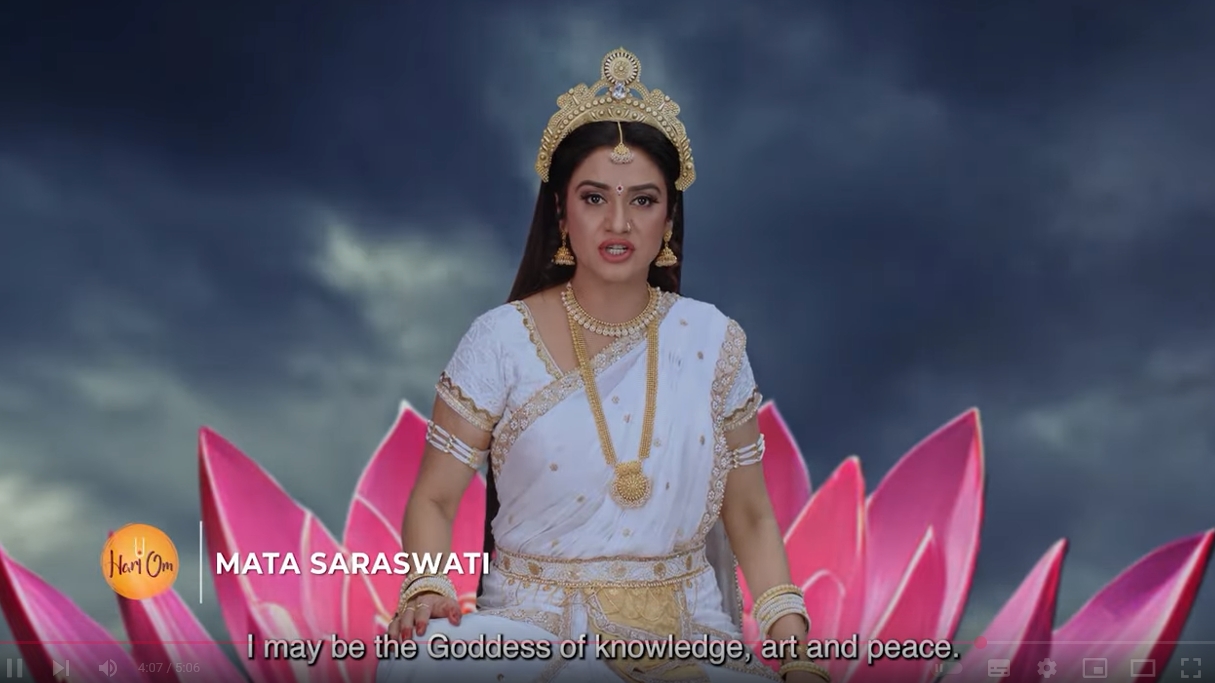
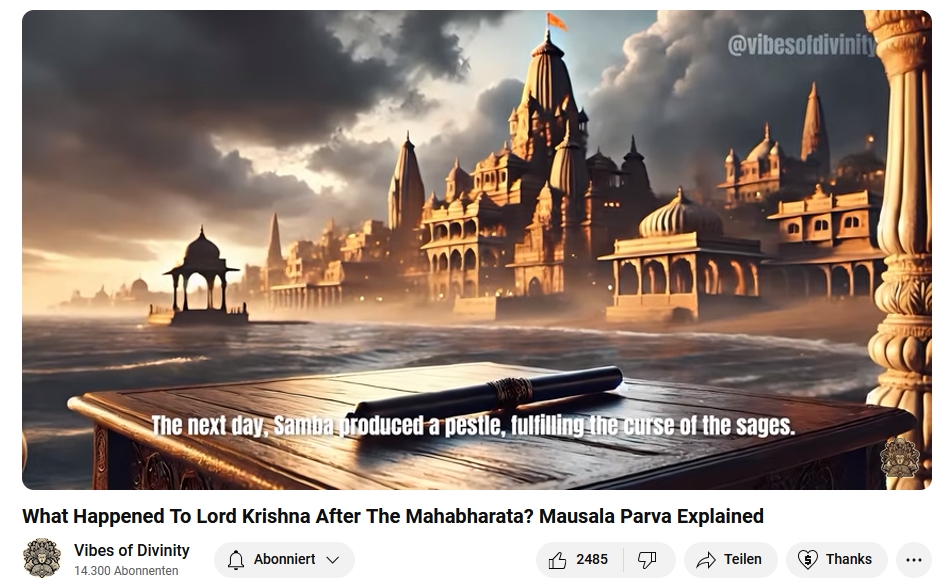
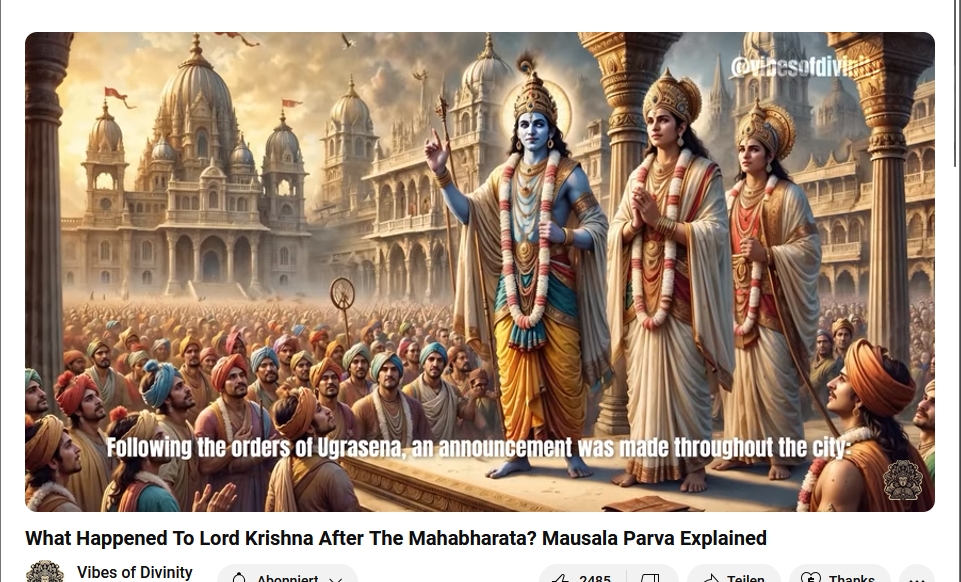
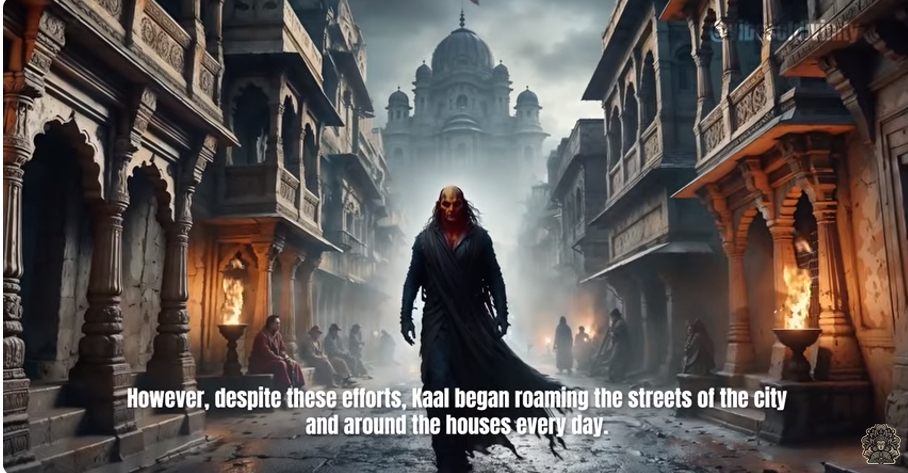
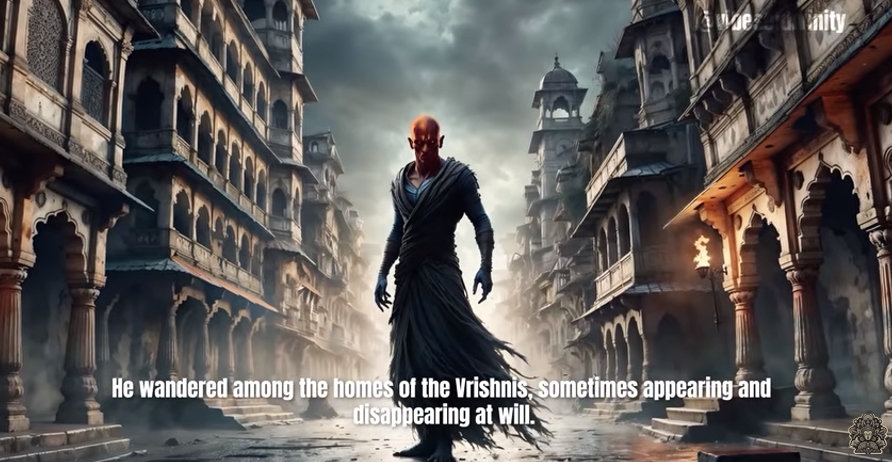
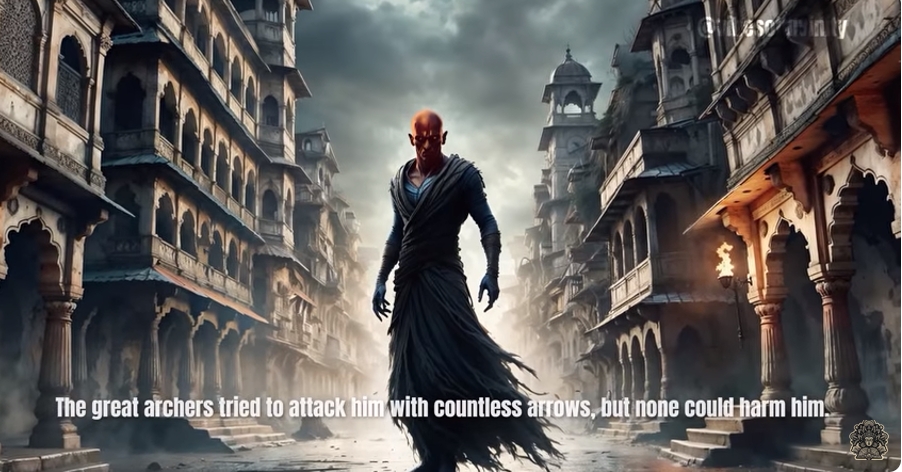
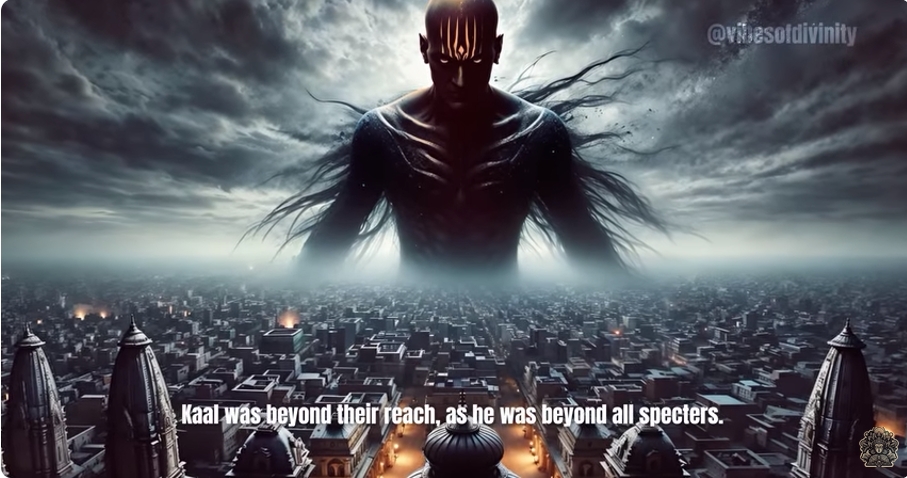
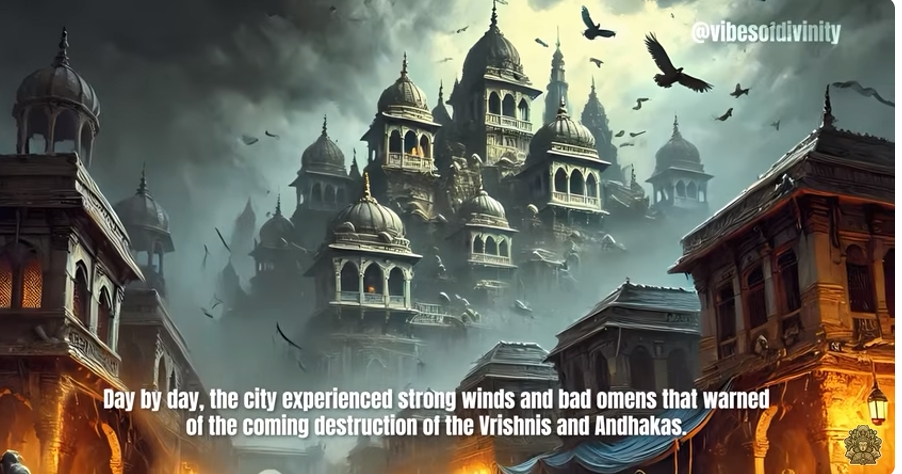
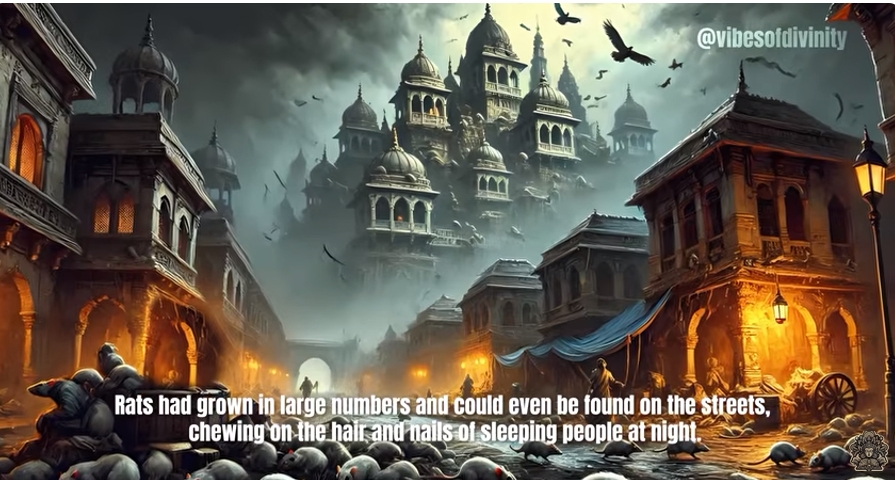
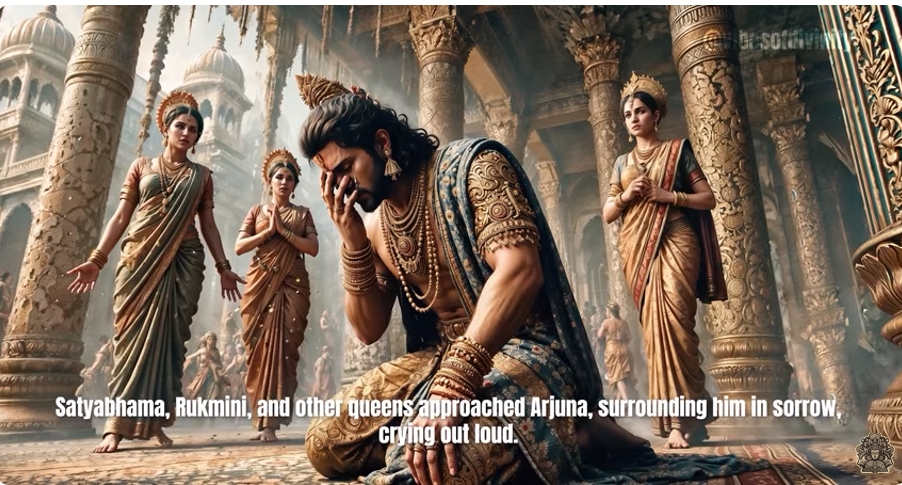
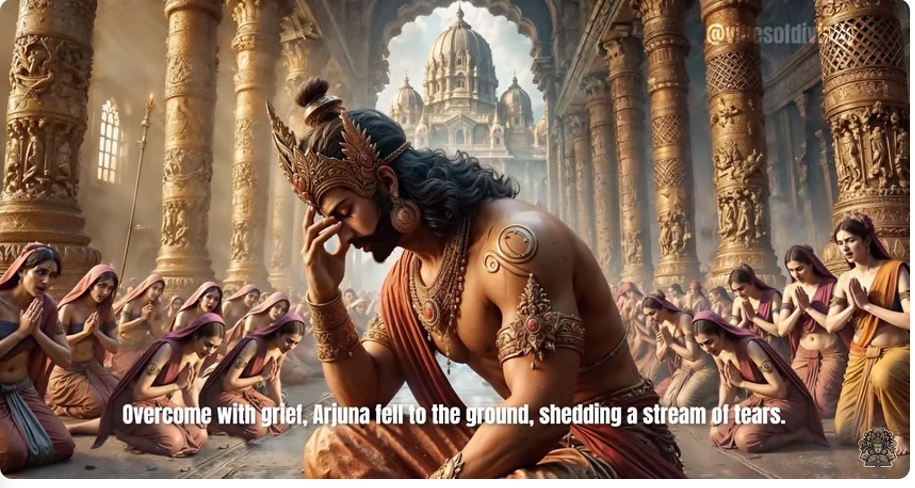
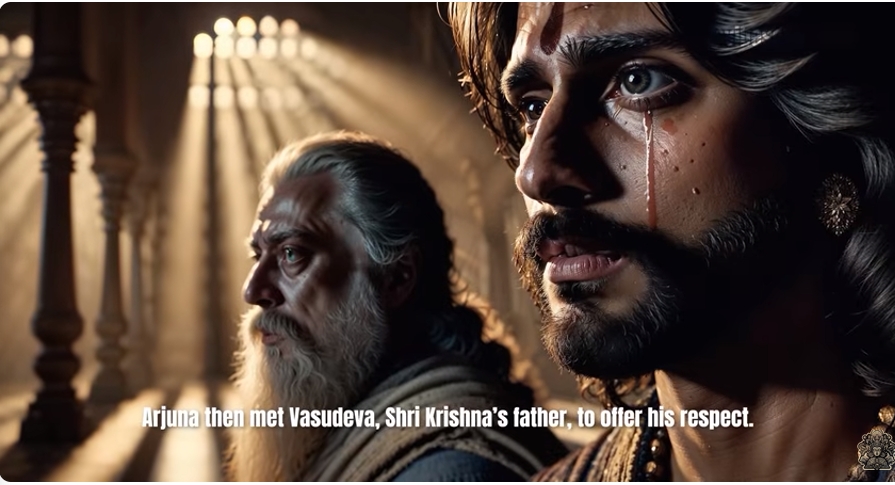
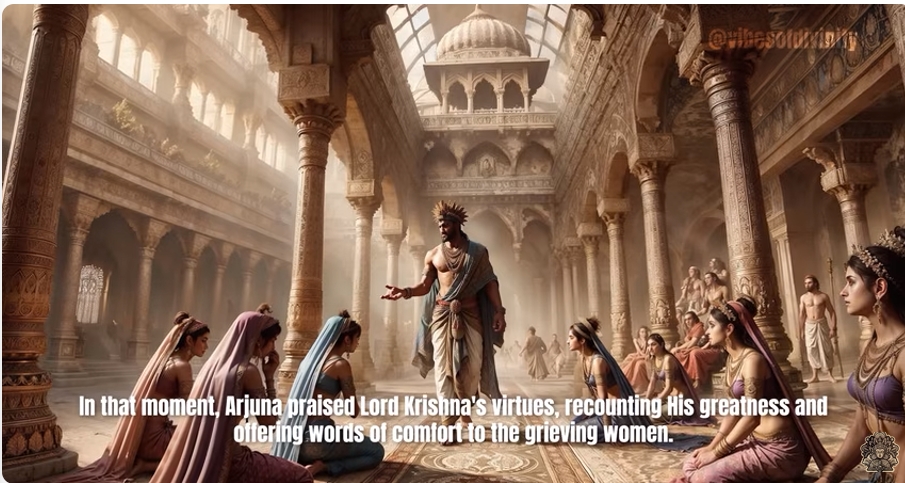
InfinityExpressor: 13.4.2026: „Why the Ancient Gods of India Left the Earth — What the Vedas Foretold | Sleep Story“
„The Lost Age of the Vedas
47.300 Abonnenten
95.439 Aufrufe 17.03.2026 #historyforsleep #kaliyuga #ancientcivilizations
These are not just ancient legends.
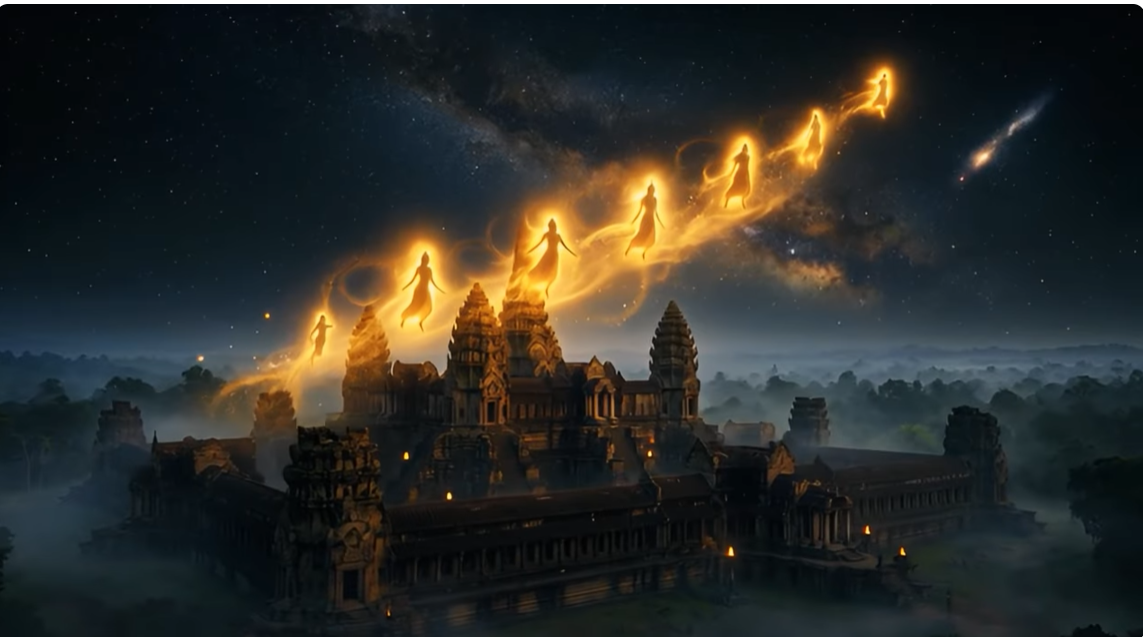
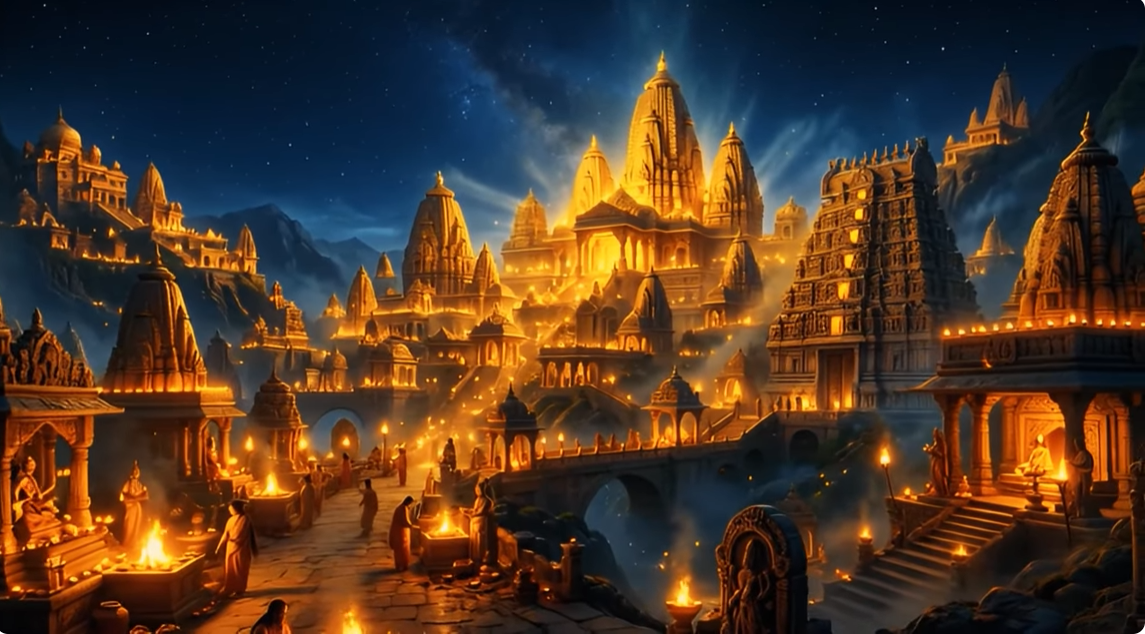
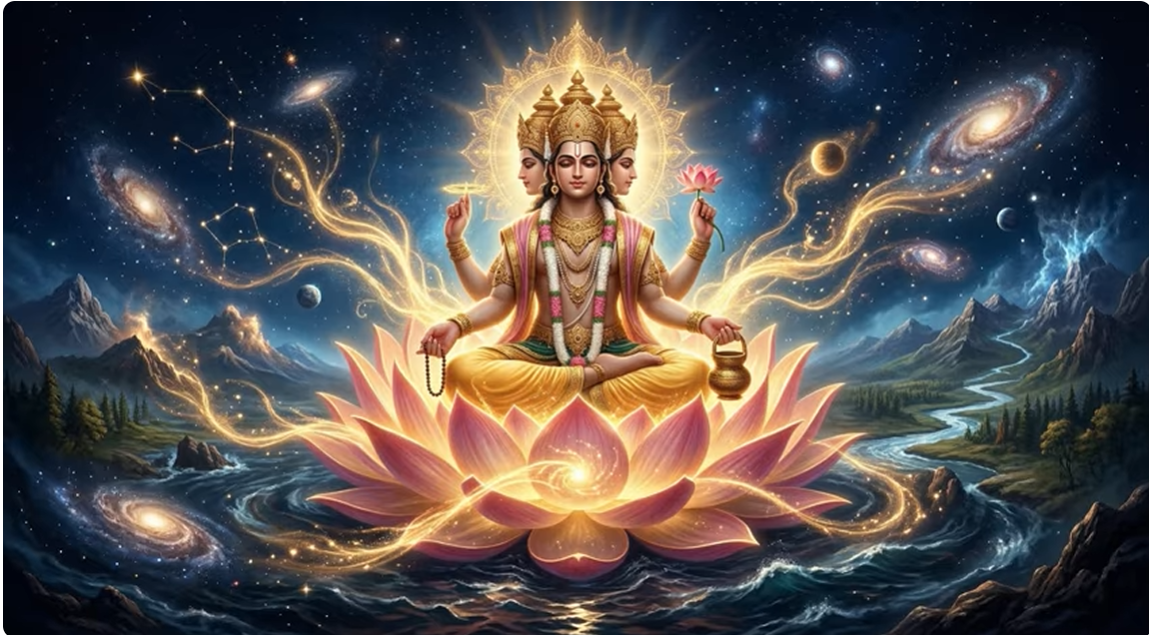
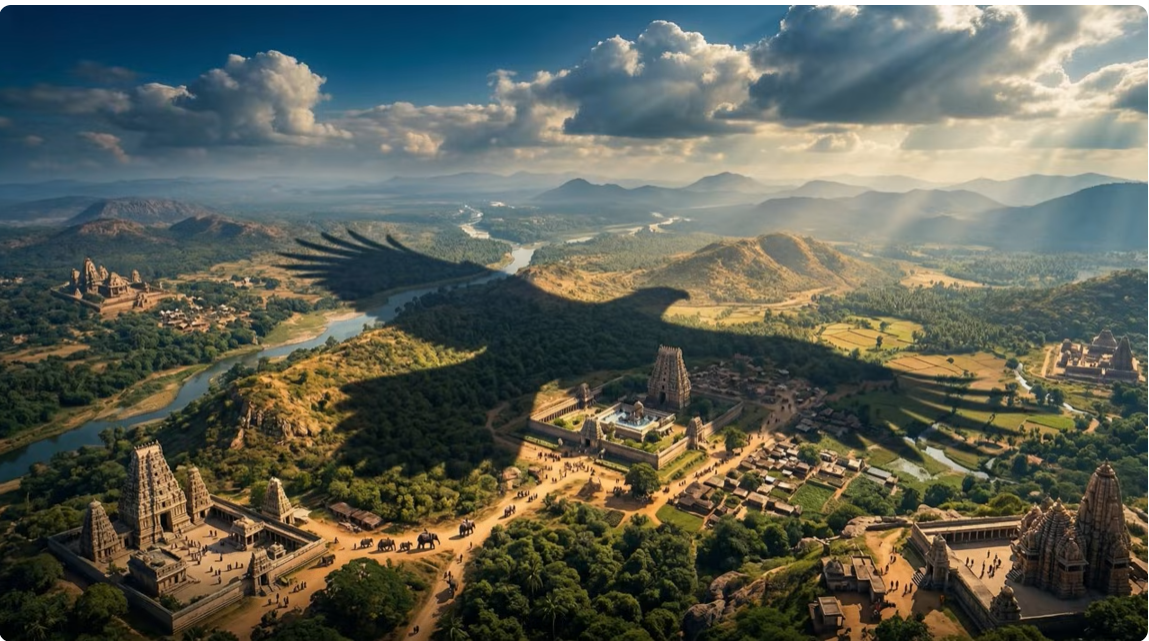
For thousands of years, Indian sages spoke about a time when the gods would leave the Earth and humanity would enter a dark age.
Why did the ancient gods disappear?
What do the sacred Vedas reveal about the age known as Kali Yuga?
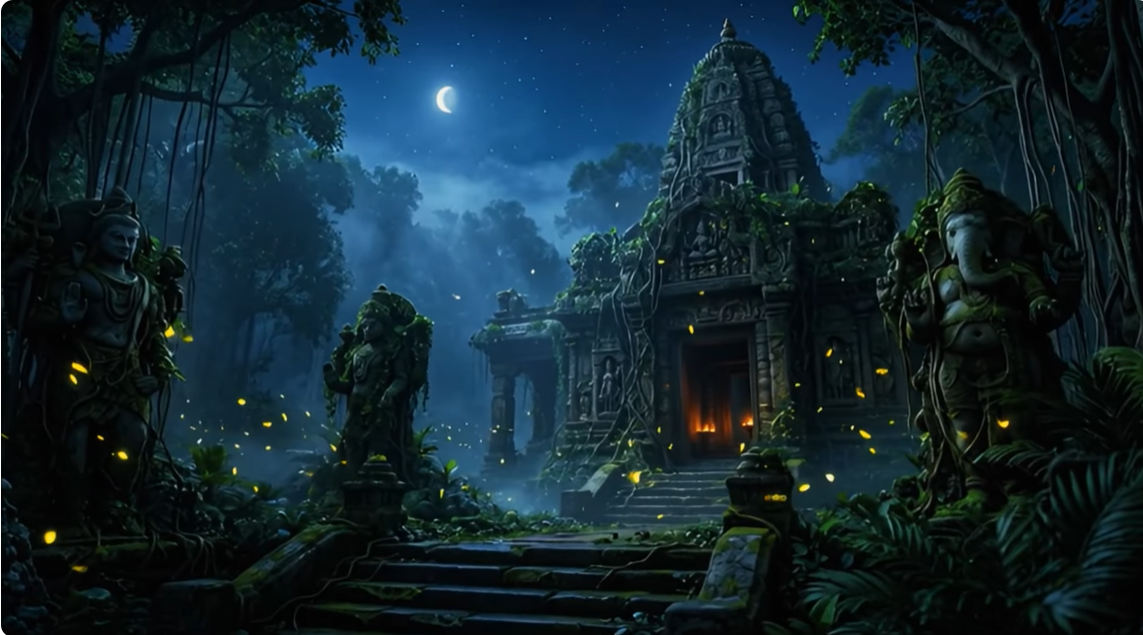
This atmospheric sleep story explores forgotten prophecies, ancient myths, and the mysteries of the divine world described in the Mahabharata and other sacred traditions of India.
About the Video:
This video is an original work created specifically for this channel.
The script is based on research into ancient Indian mythology, Vedic texts, legends, and traditional interpretations of early Hindu cosmology. The narrative structure, storytelling style, and atmosphere are created by the author to provide an immersive cultural and educational experience.
All elements of the video are produced individually for each episode, including script writing, research, visual scene creation, voice narration, editing, and atmospheric sound design.
The content is presented in a calm narrative format designed to explore ancient myths, spiritual traditions, and the cultural heritage of India.
The goal of this channel is to tell ancient stories through atmospheric documentary-style storytelling and help viewers discover the wisdom and mythology of ancient civilizations.
#hindumythology #vedicwisdom #ancientindia #vedas #kaliyuga #ancientgods #mythologyforsleep #sleepstory #mahabharata #ancientprophecy #mythologyexplained #ancientcivilizations #historyforsleep #spiritualhistory“
In Satya Yuga, seeing the gods had required no more conscious attention than breathing requires conscious attention.
It simply happened continuously in the background of life.
But this morning, the Rishi was aware that he was watching,
that this was an act, a deliberate focusing of something.
And in that very awareness, in that thin membrane of self-consciousness that had [music] appeared between himself and the experience,
the vision was already different, already slightly less immediate,
already in some way he could not articulate, beginning to belong to memory rather than to the present moment.
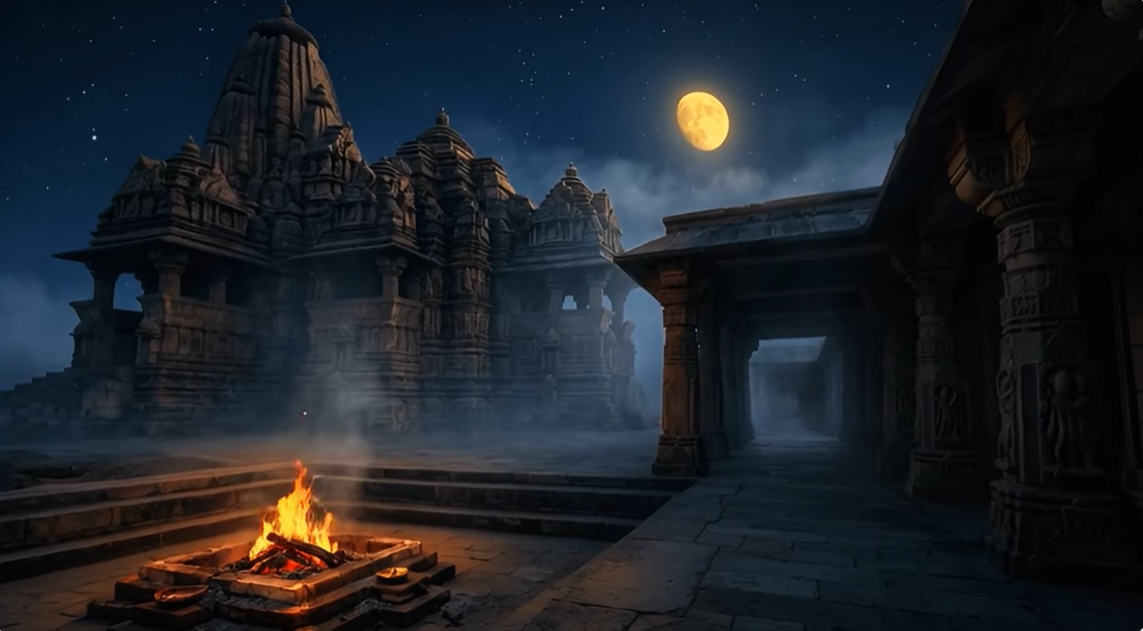
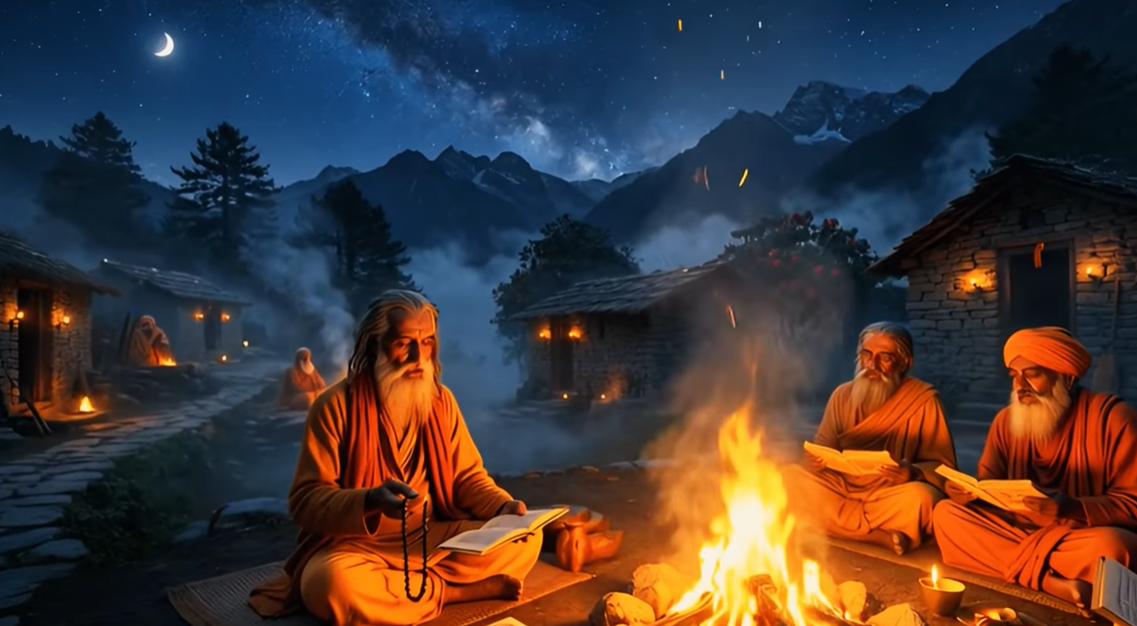
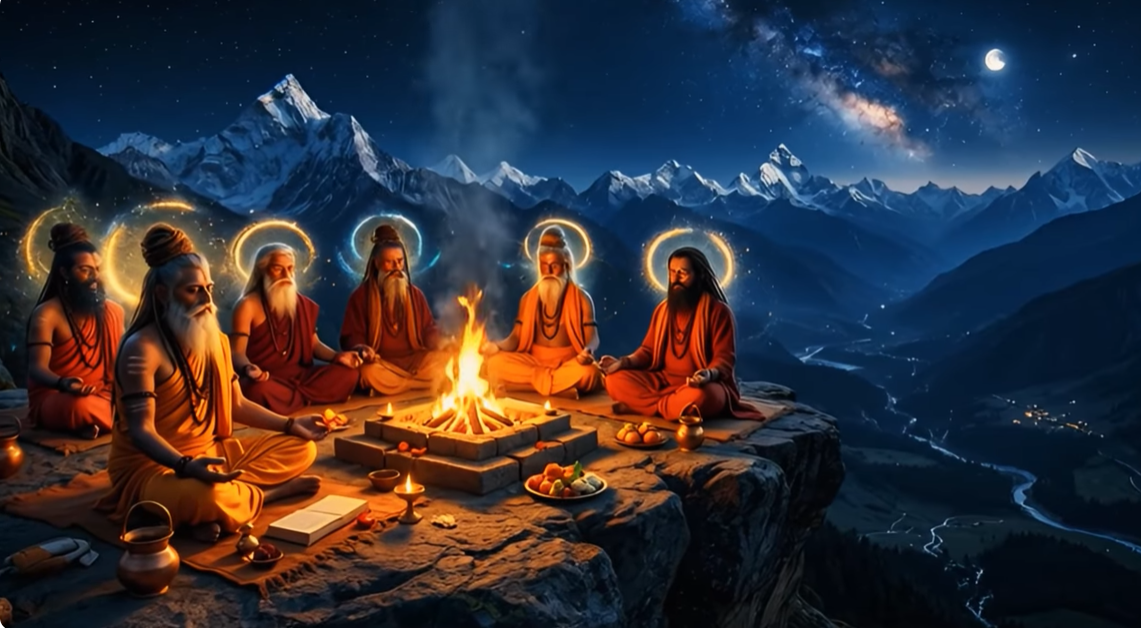
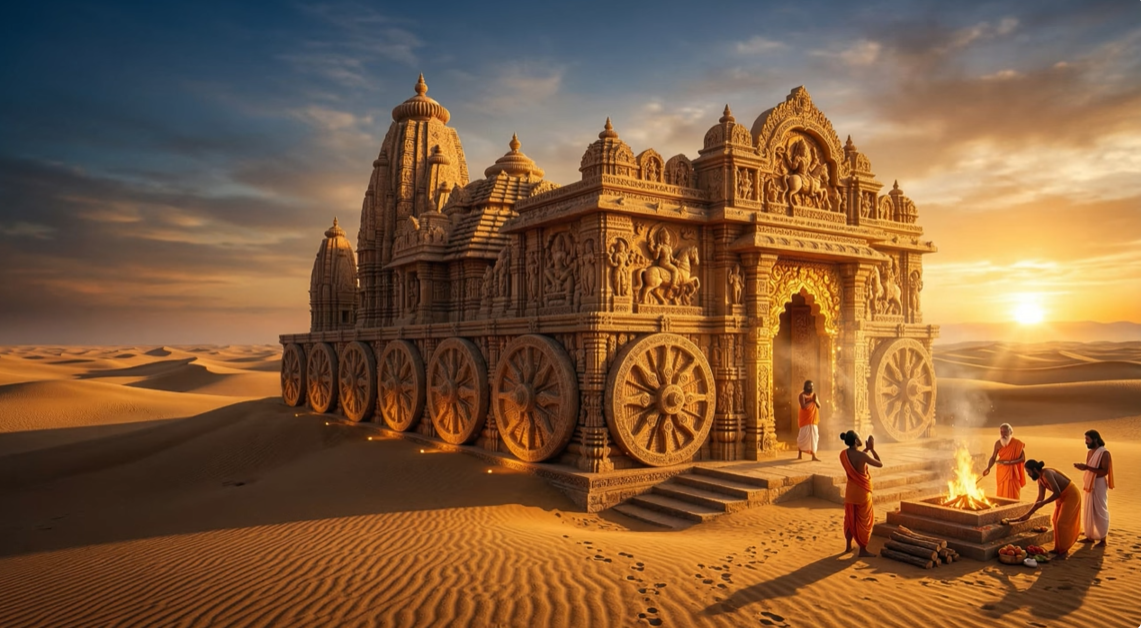
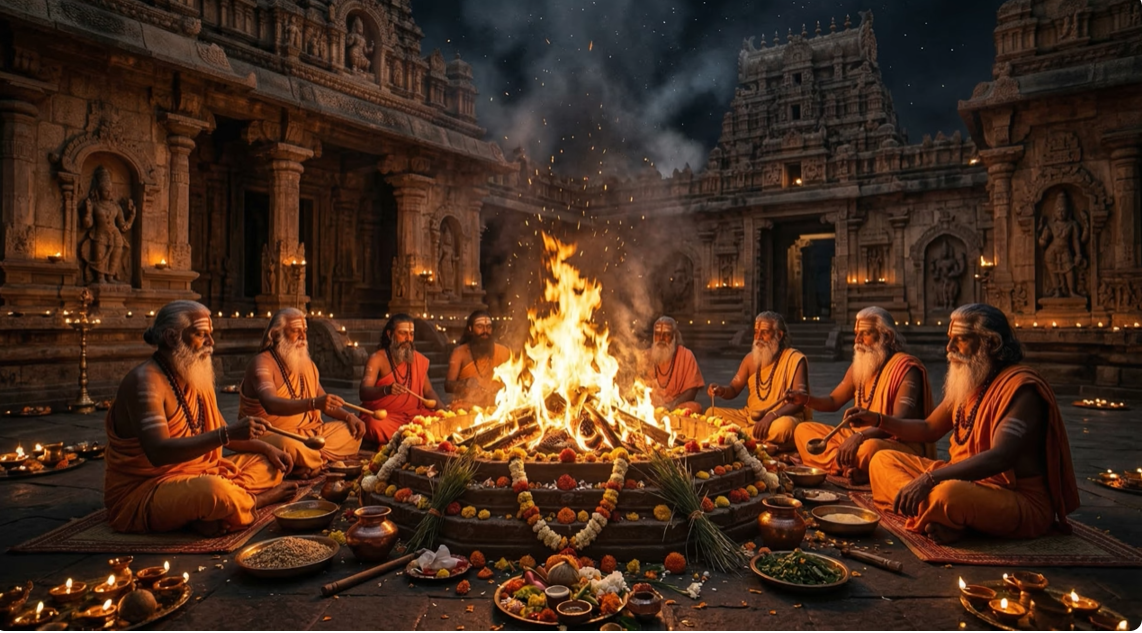
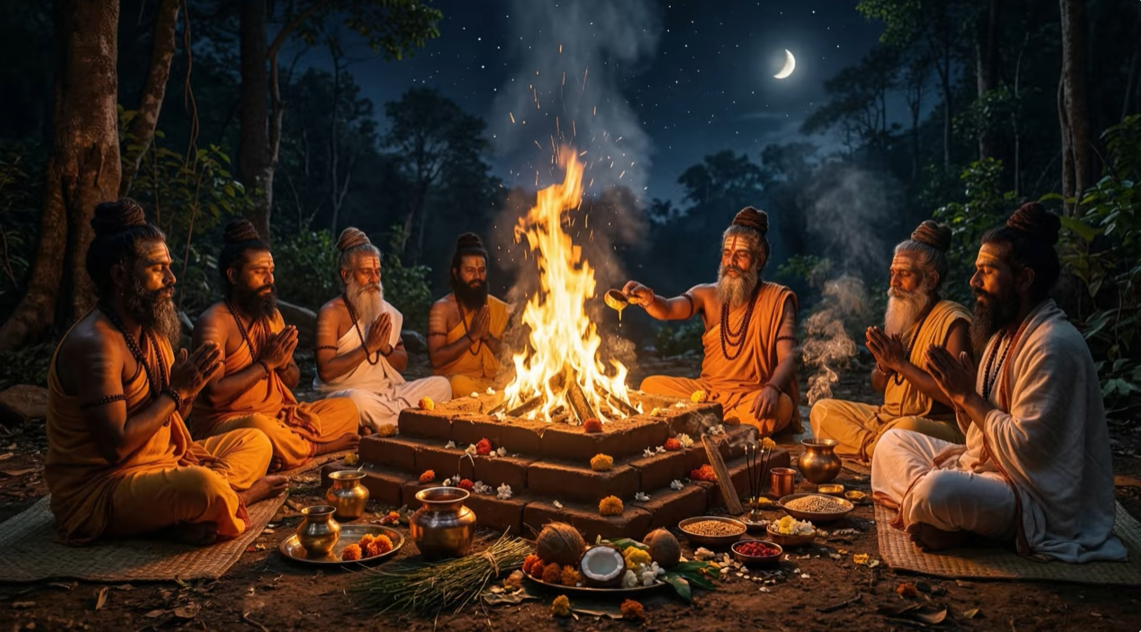
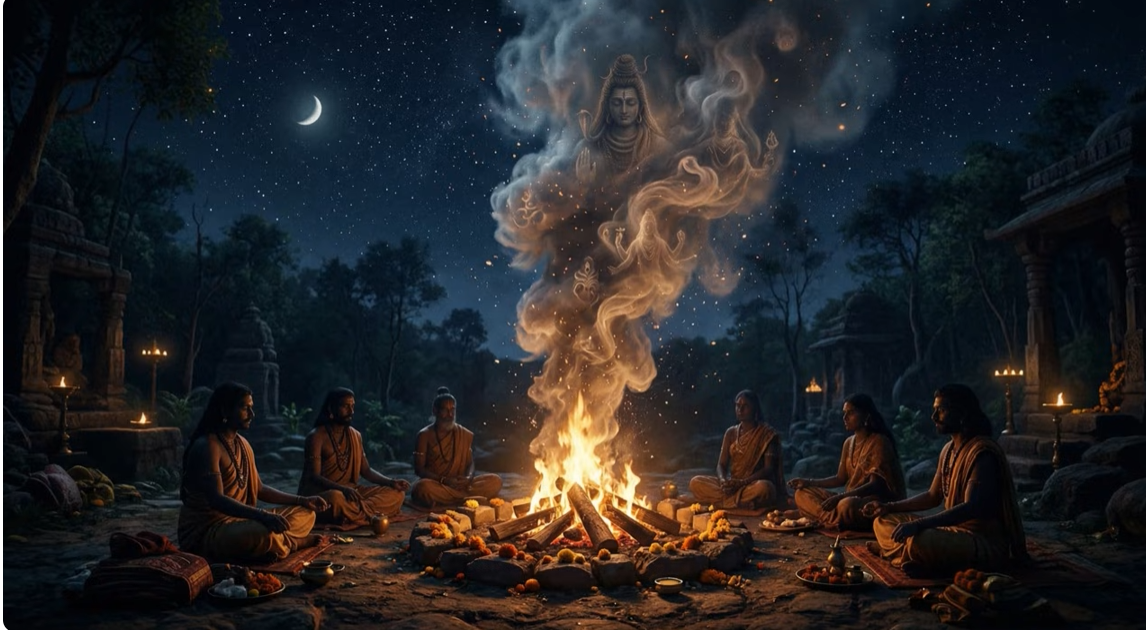
He sat with this for a long time after agy had passed from his sight. And then he built a fire,
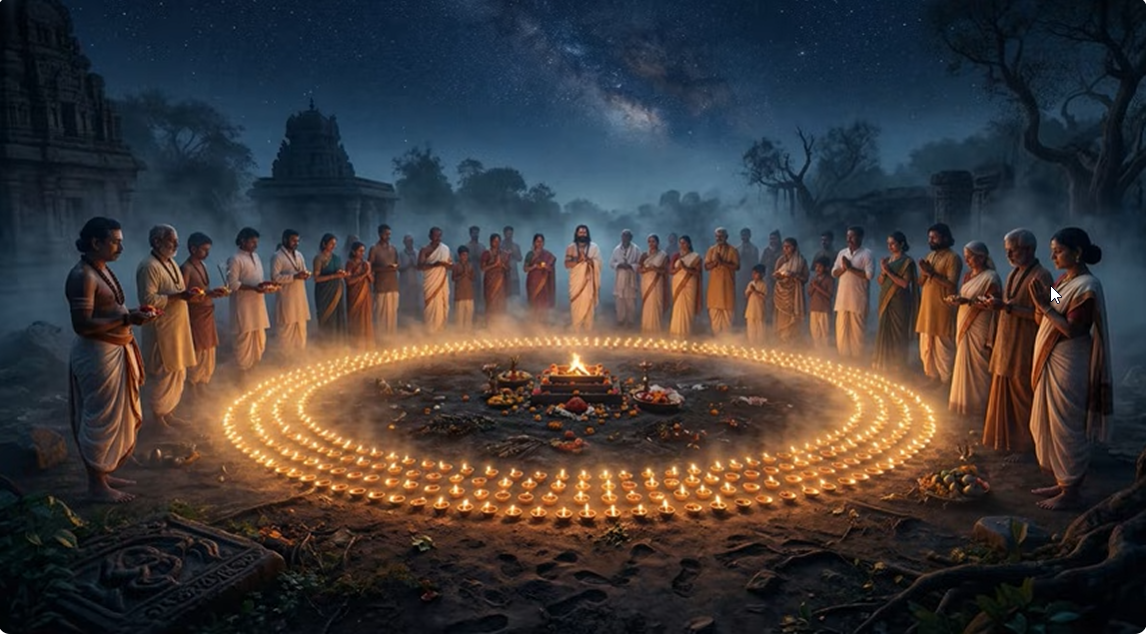
a deliberate fire with carefully chosen wood and offerings of clarified butter
and precisely shaped blades of sacred grass arranged just so. a ritual fire,
a bridge fire.
Because he understood in that quiet morning that the direct path had already begun to narrow
and that what was required now, what the age demanded was not less devotion,
but a different kind.
A devotion that could work with distance,
that could work across the gap that had opened quietly and without announcement in the fabric [clears throat] of the world.
And so, Theta Yuga shaped itself around this new condition.
It was still a magnificent age. Do not misunderstand the vadic account as simple deterioration as a story of pure loss.
Traa yoga gave the world extraordinary things.
It gave the world the full flowering of vadic ritual. The most sophisticated ceremonial science ever developed by
human beings. A system of such mathematical and sonic precision that its effects on consciousness can still
be felt by anyone who sits in the presence of a properly performed fire sacrifice even today thousands of years
after the world that created it has dissolved.
It gave the world the rishies in their full power. Those extraordinary beings who had refined themselves to such a
degree of inner purity that they could still receive the transmissions,
still hear the voices beneath the surface of reality,
still catch the frequencies that the gods were broadcasting continuously whether or not anyone was tuned to receive them.
The great hymns of the Rig Vader were composed in this era and they are not the work of people who had lost access to the divine.
They are the work of people burning with it, desperate to hold it, to codify it,
to pass it forward through time before it diminished any further.
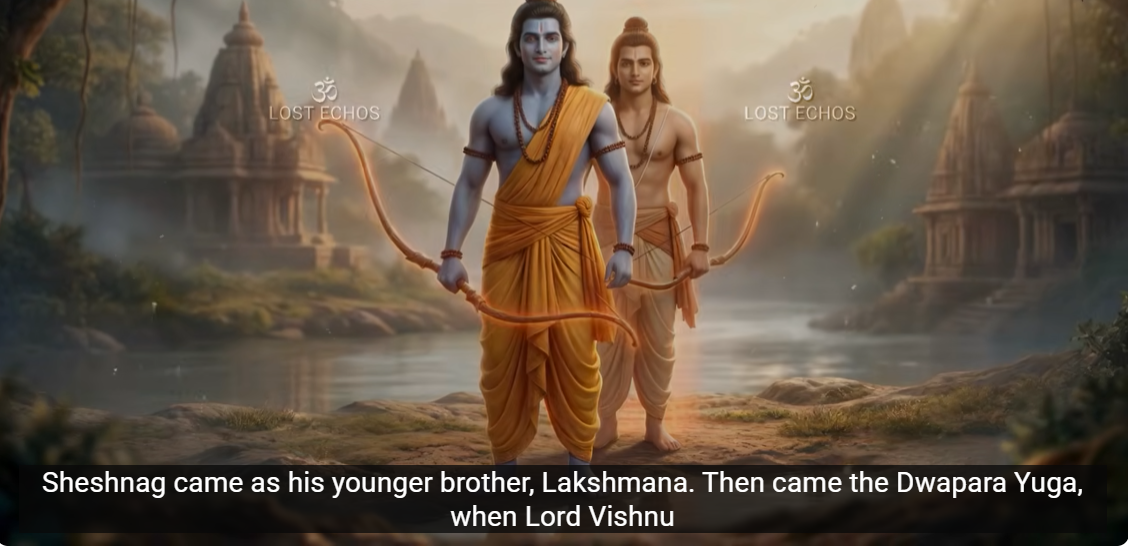
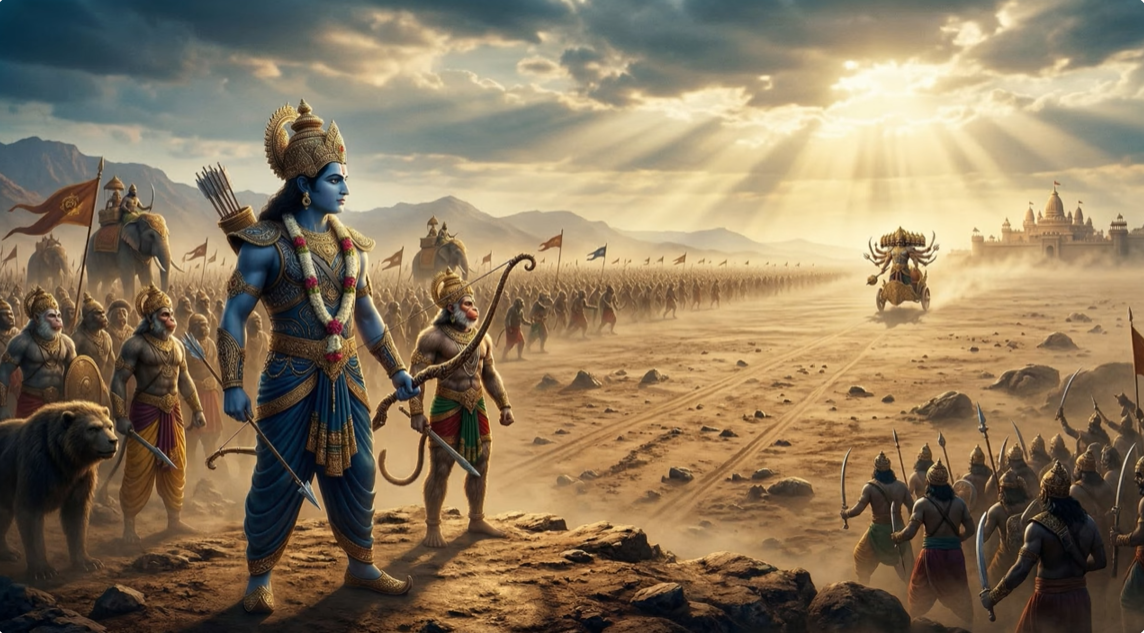
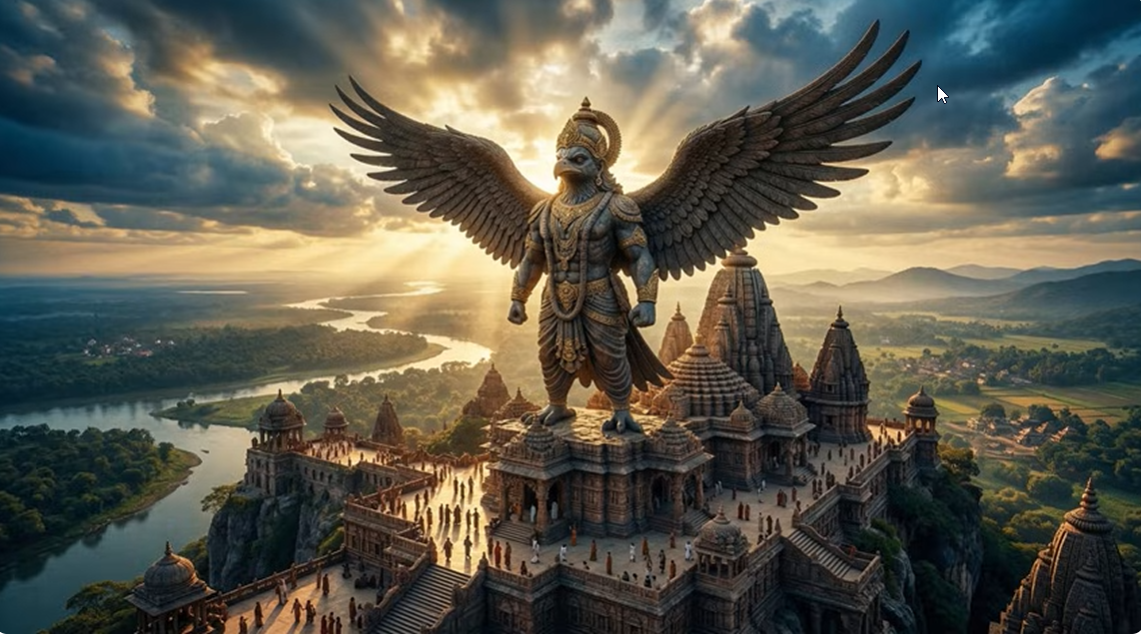
And it gave the world what would become much later one of its most celebrated myths the Ramayana
because it was in Tauga that Rama walked the earth.
Rama even the name seems to carry its own particular quality of light. The seventh
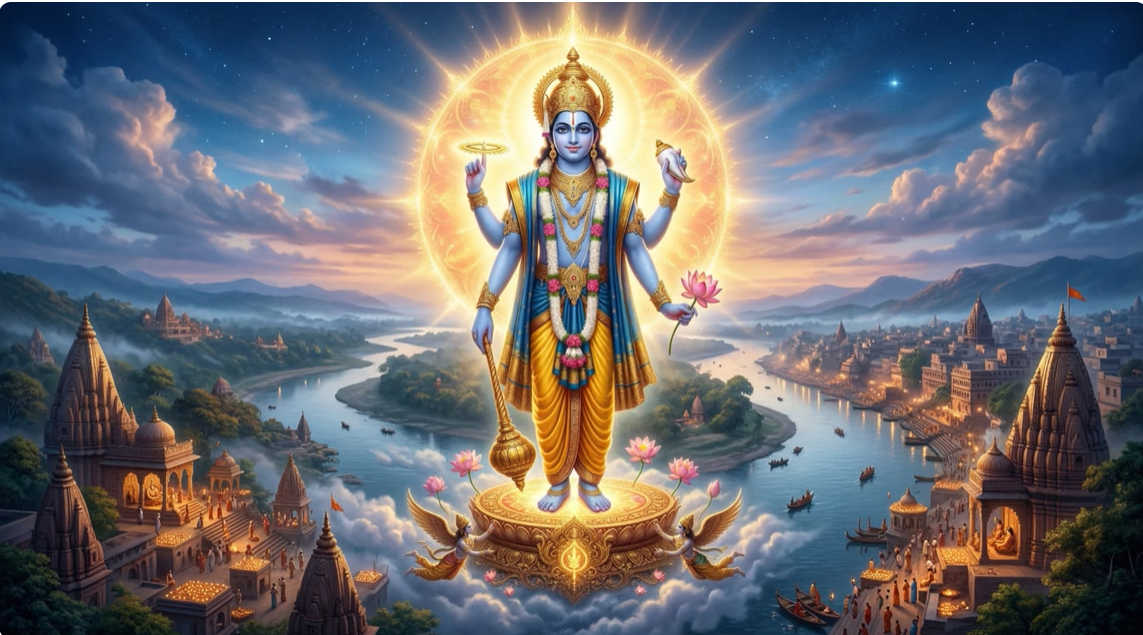
avatar of Vishnu, the preserver of cosmic order, who came into the world in human form, not despite its
imperfection, but because of it. Not to restore Satya Yuga, that was not possible from within Tetra Yuga’s unfolding,
but to demonstrate [music] that even in an age of increasing distance, even in a world where the sacred had retreated to
a level that required effort and devotion to reach a human life could
still be lived in perfect alignment with dharma.
Dharma, right action, right being, the living expression of cosmic order
[music] in the conduct of a single human life.
Where retita was the name for that order as it moved through the universe.
Dharma was the name for it as it moved through a person. And Rama’s entire life
was a teaching about dharma under conditions of difficulty.
Not the effortless dharma of Satya Yuga where right action arose naturally because nothing pulled against it. But
the earned dharma of thayuga where righteousness required constant choice, constant effort, constant
willingness [music] to sacrifice personal happiness for the integrity of something larger than personal happiness.
This is why the Ramayana still speaks to people. Not because it is a story about perfection,
but because it is a story about perfection’s cost,
about what it requires of a person to remain aligned with the sacred in a world that is no longer organized around the sacred as its default.
But even as Rama walked the earth, even as the great epic of Tayyuga played out its drama of exile and [music] devotion
and war and return, the wheel was still turning.
The cycle did not pause for beauty. It did not slow down for love or valor or sacrifice,
no matter how extraordinary.
It simply turned as it had always turned with the vast indifference of a cosmos that contains all of this and more and is moved by none of it.
And after traitor Yuga came Dvapra and the gods took another step back.
This time the texts say four things disappeared from the world that had been present since the beginning. the direct
vision of the gods, the longevity of human life, the natural fertility of the earth, and what the Sanskrit calls oras,
a word that means roughly the luminous vitality that fills a being when it is in full contact with the source of its own existence.
All four receding together as if they were not four separate things at all but four aspects of one thing. The quality
of aliveness that a world possesses when the divine [music] is genuinely fully present within it.
And in dapa yoga something else happened. something that would reshape the relationship between the gods and
humanity more profoundly than anything that had come before. The gods themselves began to grieve.
Not openly, not in any way that could be directly observed by the human beings who still performed their rituals and
composed their hymns and lived their dharmic lives as well as the age allowed.
But in the deeper registers of the universe, in the conversations [music]
that the gods held with each other, in the spaces between worlds, there was a tone that had not been present before,
a tone of missing.
Because the gods, according to the Vadic texts, do not merely observe humanity from a comfortable distance. They need humanity.
The relationship between the divine and the human, the vades insist with remarkable consistency, is not a
hierarchy in which the higher realm simply tolerates or condescends to the lower.
It is a reciprocity. It is a mutual sustaining.
The gods feed the world through their presence and their grace. And the world feeds the gods through its attention and its devotion.
When that exchange falters, when human awareness drifts too far from the sacred
to generate genuine, clear, undistorted devotion,
something diminishes at both ends of the relationship.
The gods do not grow angry when they are forgotten. They grow lonely.
This is the [music] detail that the Vadic texts offer with such quiet insistence that it is easy to miss
entirely, hidden as it is inside the vast architecture of cosmological theory and ritual prescription.
But it is there. The gods are not separate from the world they gave rise to. They are bound to it by something
that functions across the scale of cosmic [music] time very much like love.
And it is that love, that binding that will make the coming chapters of this story so much more complicated than
[music] a simple tale of divine withdrawal. Because the gods did not leave easily,
and they did not leave all at once. And some of them, the vadas hint at this with [music] a kind of barely restrained anguish,
some of them found ways to stay longer than they should have, to hold the door open past the point when the age could
support their presence. to speak through proxies, through avatars, through the burning clarity of sears who had
prepared themselves [music] to act as vessels for a communication that the age could no longer accommodate directly.
The question is not simply when the gods left. The question is what it cost them to leave and what [music]
if anything they left behind. Chapter 3.
The war between light and shadow and why neither [music] side won.
There is a question that every serious student of Vadic mythology eventually arrives at usually late at night,
usually after following a threat of thought for longer than they intended.
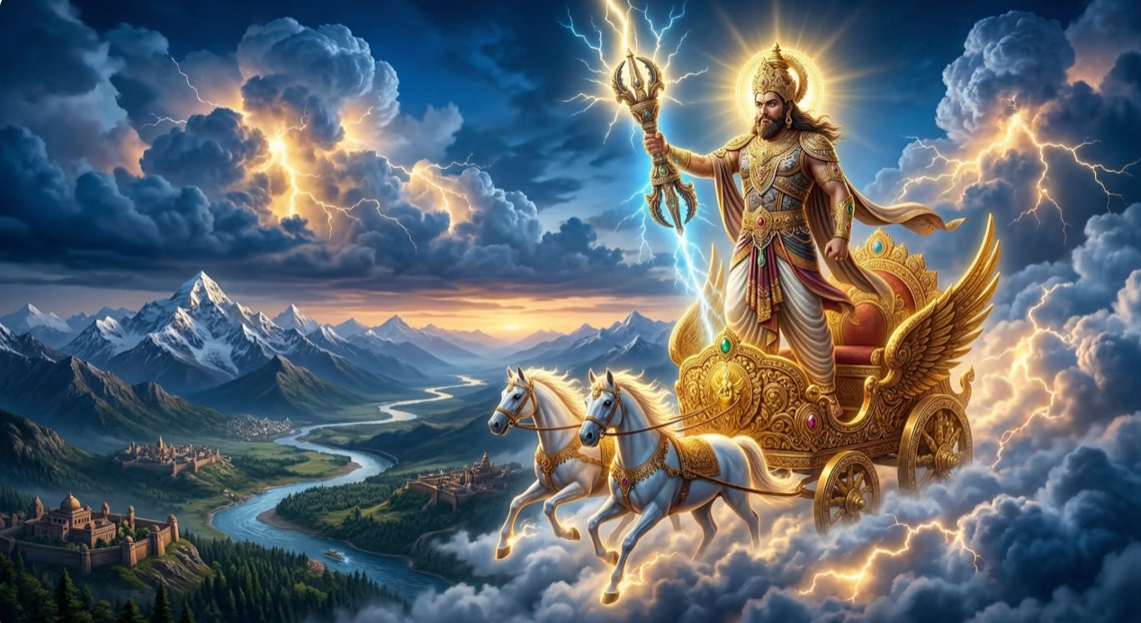
If the gods are all powerful, if Indra commands the thunder, if Vishnu upholds the entire structure of the cosmos, if
Shiva contains within himself the force of dissolution that can unmake worlds, then why did they struggle?
Why across the vast literature of the piranhas and the Vedas and [music] the great epics do we find the gods not triumphant and serene in their
omnipotence but exhausted wounded sometimes fleeing?
Why do we find Indra himself, the king of heaven, stripped of his power and reduced to hiding? Why do the gods
appeal again and again to Brahma, to Vishnu, to forces greater than themselves? because they cannot alone overcome what stands against them.
The answer to this question is one of the most sophisticated ideas in all of ancient Indian thought and it requires us to speak about the Assuras.
The word assura is [music] usually translated as demon and that translation while not entirely wrong misses almost everything that matters about [music]
what the vic texts are actually describing.
In the oldest layers of the rigveda the most ancient stratum of the tradition the word assura did not mean demon at
all. It meant roughly possessing life force. It was in those earliest texts sometimes even applied [music] to the
gods themselves as a title of power. The shift from this original meaning to the later meaning of enemy of the gods
happened gradually across centuries of textual evolution. And that shift is itself a story about how the Vic
tradition understood the nature of conflict in the cosmos.
The Assuras are not in the full Vic conception simply evil. They are not the villains of a morality play placed in opposition to the virtuous gods [music]
so that good can triumph over evil in a satisfying narrative arc. They are something more disturbing, more
interesting, and ultimately more instructive than that. They are the gods brothers.
This is stated directly in multiple texts. The das, the gods and the assuras [music] share the same cosmic parentage.
They are both children of praapati,
the primal lord of creatures, the first being to emerge from the formless void of precreation.
Same father, same origin,
same initial endowment of power and intelligence and cosmic substance.
What separated them was not their nature but their orientation.
The davas oriented themselves toward light, toward retita, toward the sustaining order of the cosmos,
toward the practice of releasing what they held and trusting in the replenishment that generosity makes possible.
The Assuras oriented themselves downward,
toward the dense, toward the accumulating,
toward the hoarding of power rather than its circulation,
toward the conviction that existence [music] is a competition, and that the being who holds the most at the end has won something worth winning.
Neither of these orientations, the Vedas suggest, is a choice made once and irrevocably.
Both are tendencies present in every conscious being, including it must be said, and the texts do say it quietly,
consistently in every human being.
The war between the Davas and the Assuras is not a war that happens somewhere [music] else.
It is a war that happens inside. But it also happens outside.
themselves. They do not negotiate. They speak what they see and then they leave you alone with what they have said.
And it happened. The gods lost their power. Not all at once. Again, the Vadic
accounts of cosmic events tend to describe gradations, degrees, the slow turning of things rather than sudden catastrophic reversals.
But the diminishment was real and measurable and it had consequences.
The Assuras sensing the shift in the cosmic balance of power with the precision of beings whose entire
orientation is towards sensing and exploiting advantage mobilized.
The war between the davas and the assuras intensified and the gods weakened, divided, deprived of the ojas
that had made them radiant, began to lose.
There is something in this sequence of events that feels true in a way that [music] goes beyond myth. The pattern is recognizable, a moment of carelessness,
an offense against something sacred that was not immediately apparent [music] as an offense. After all, Indra did not
drop the garland himself. He simply failed to protect what had been entrusted to him. And yet the consequence was total.
Because in the Vic understanding of things, carelessness toward the sacred is not a minor failing.
It is a structural weakness.
It is the crack through which diminishment enters. Desperate, the gods went to Brahma.
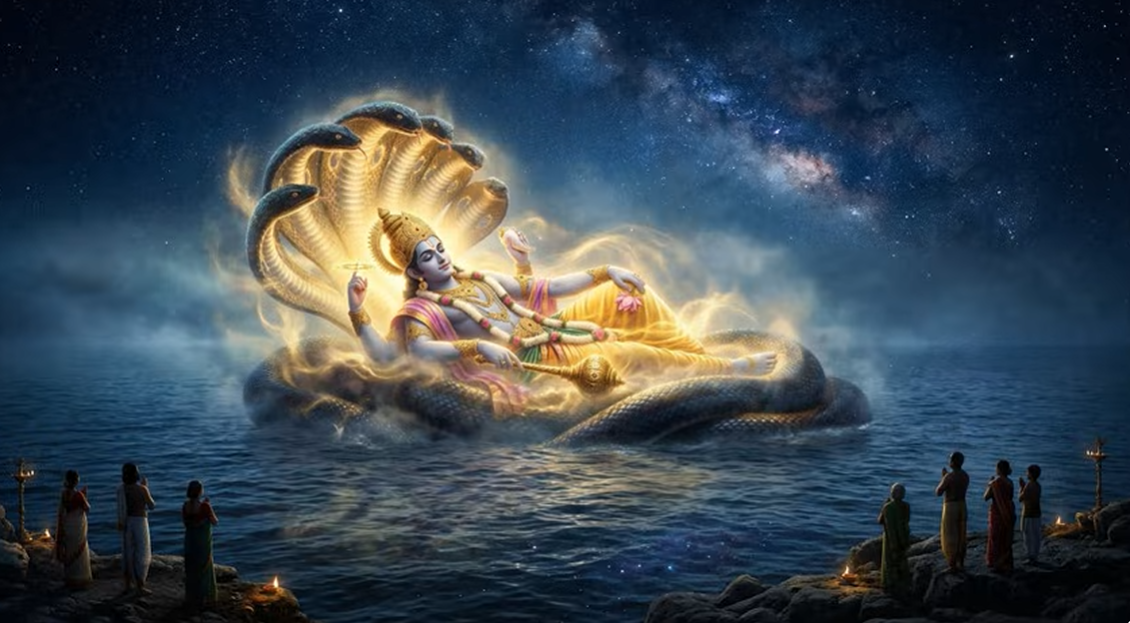
And Brahma the creator who sees the shape of all things as they must unfold within the pattern of cosmic time directed them to Vishnu.
And Vishnu gave them a solution so counterintuitive that it could only have come from a mind
operating outside the logic of ordinary advantage.
He told them to make peace with the Assuras,
not to surrender, not to abandon the war or accept defeat, but to make
temporarily a truce, and to propose to the Assuras a joint venture that would benefit both sides.
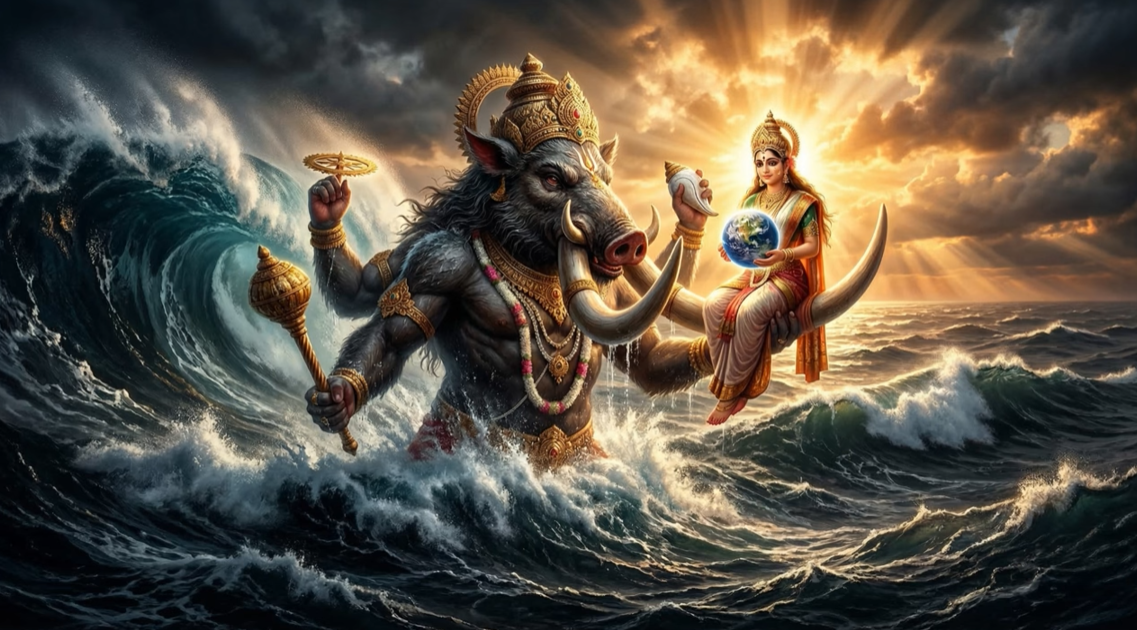
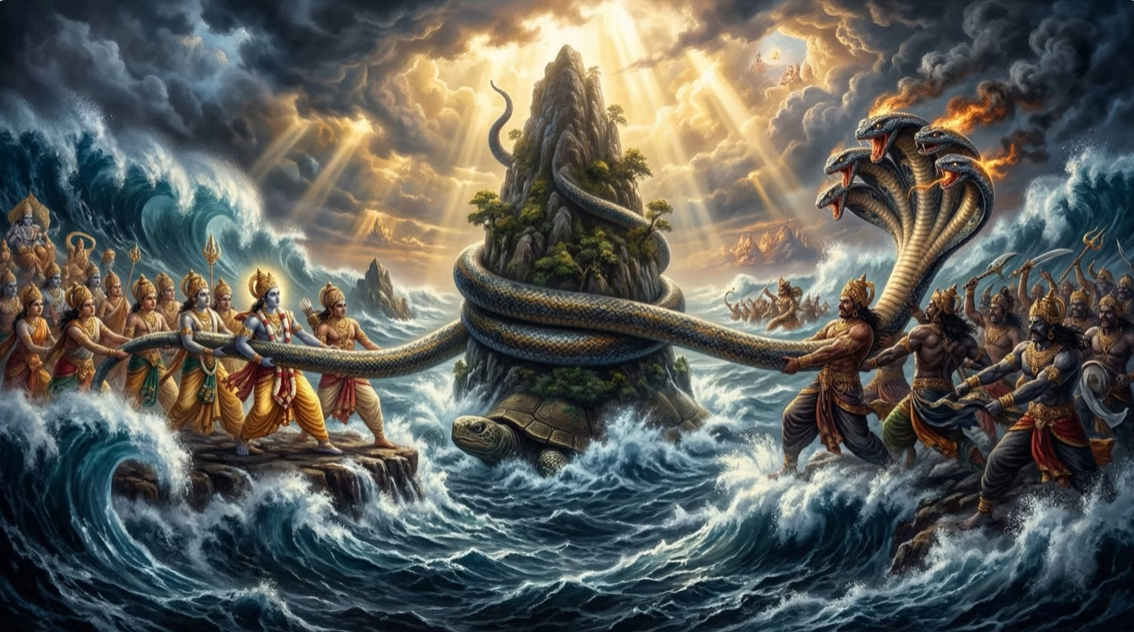
He told the gods and the Assuras together to churn the primordial ocean,
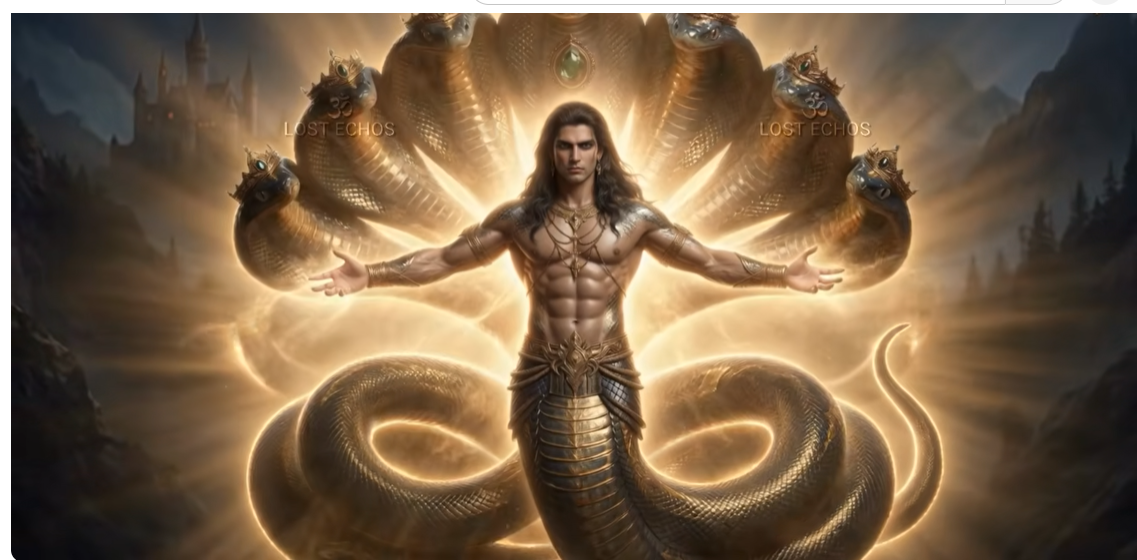
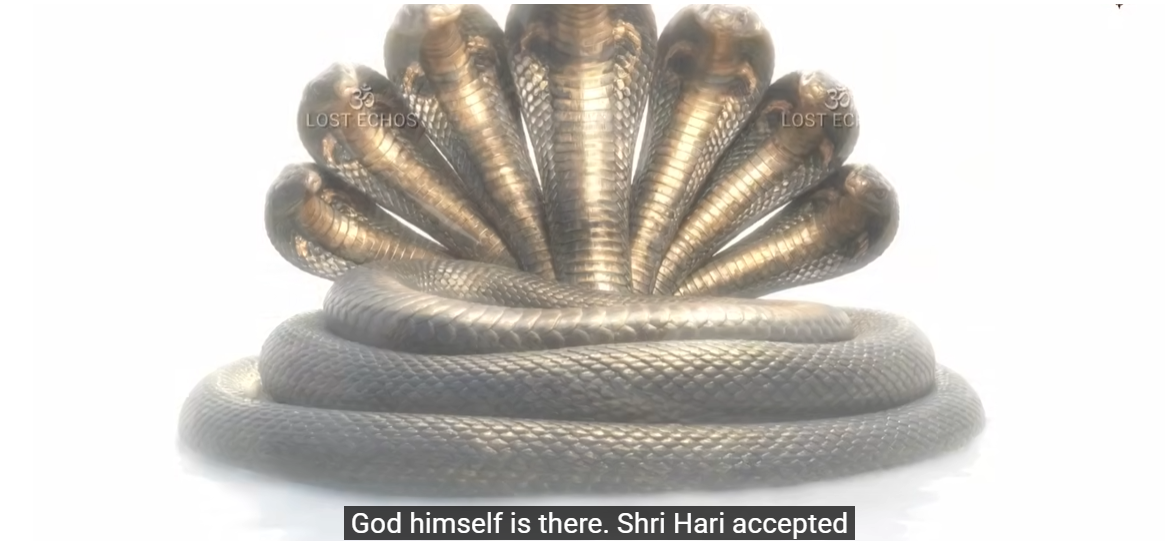
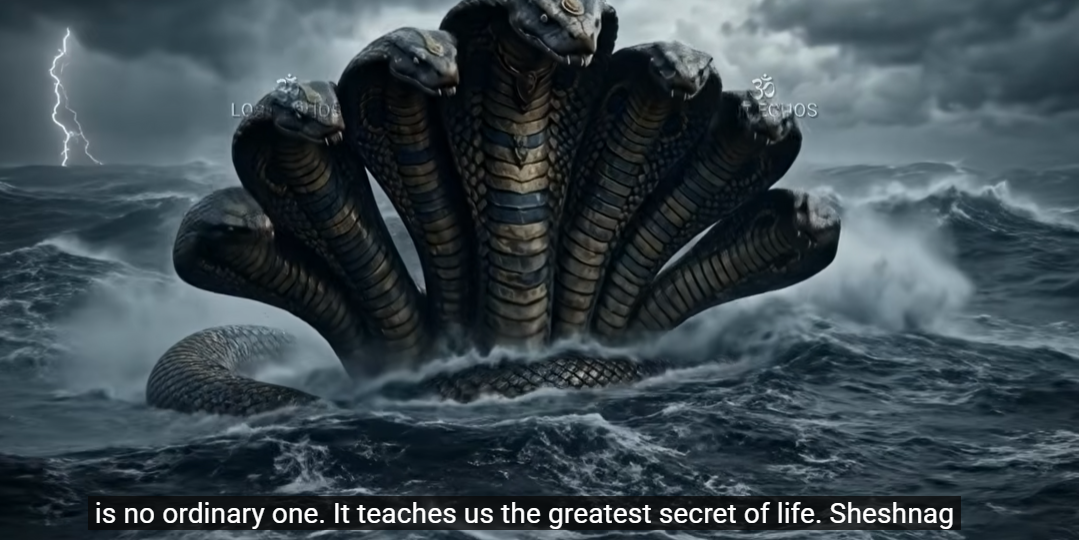
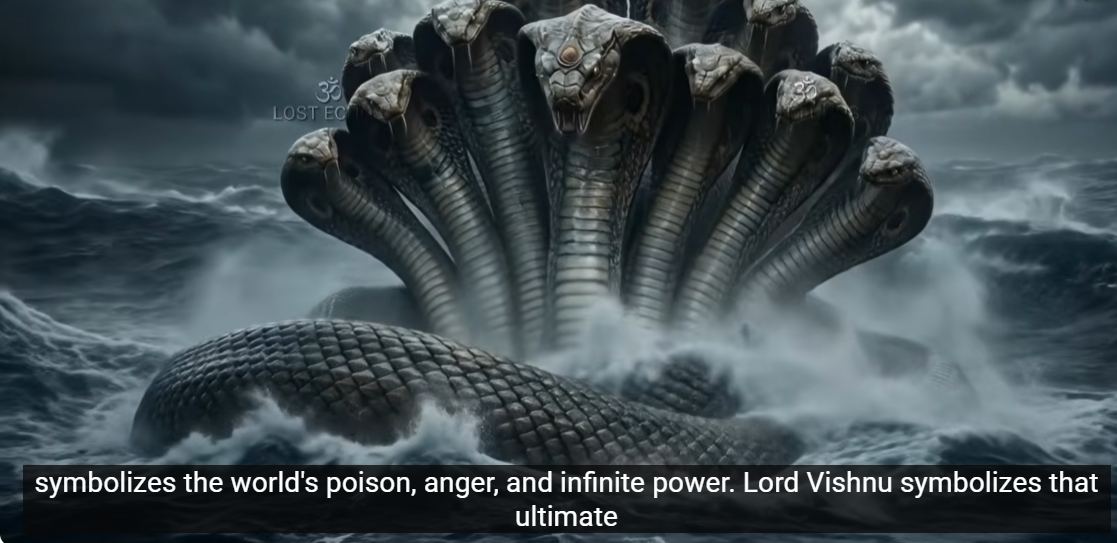
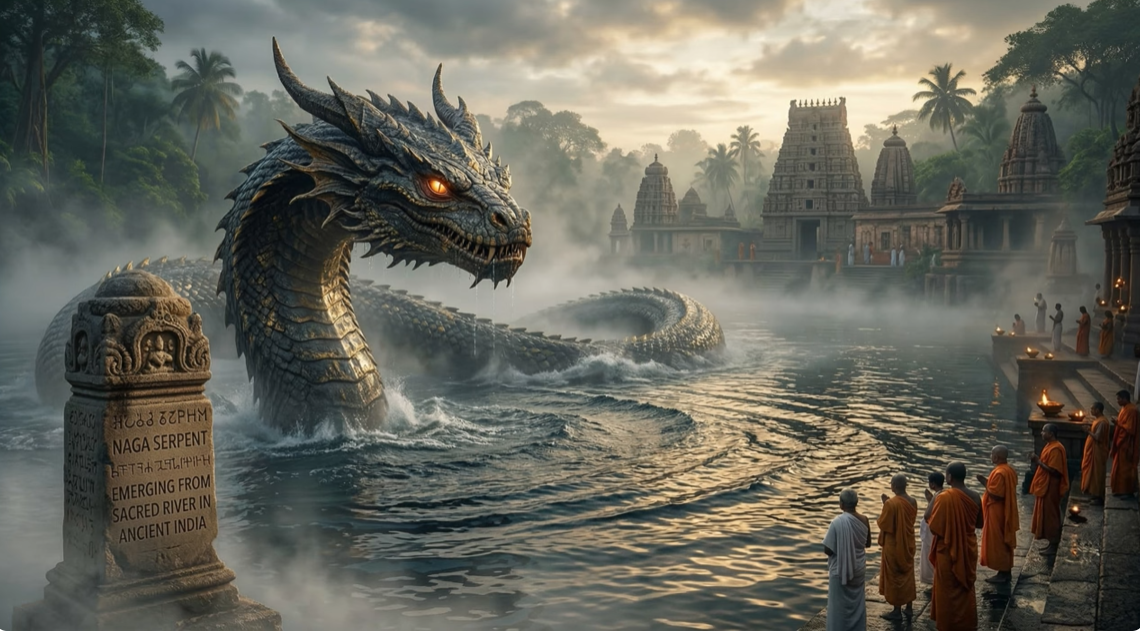
to use Mount Meu, the cosmic mountain at the center of the universe, as a churning rod. To use Vasuki, the great
serpent king, as a rope, and to churn the ocean of milk that underlies all of material existence until its deepest hidden gifts rose to the surface.
Chief among them, Amriita, the nectar of immortality,
the substance that [music] once drunk would restore the gods to their full power.
This is the samudra man and the imagery of it. The great serpent wrapped around the mountain. The gods pulling at one
end and the assuras at the other. The ocean itself groaning under the force of their combined effort.
This imagery has endured for millennia across every medium of Indian art.
It is painted on temple walls, carved in bar relief on ancient stone, woven into
textiles, described in texts that span thousands of years of literary history.
Why has it endured? What does it mean?
The churning produced many things before it produced Amriita.
but which the Vic texts themselves treat as the heart of the teaching.
Before the nectar of immortality rose from the churned ocean, 14 extraordinary substances emerged.
Kamadenu, the wishfulfilling cow. Kalpavia, the wishfulfilling tree.
Ayraata, the white elephant who would become [music] Indra’s mount.
Lakshmi, the goddess of abundance and grace, who rose from the ocean surface on a lotus and chose freely to take her place with the gods.
And most terrifyingly, most beautifully, halah hala, the poison of the world.
The most deadly substance in existence,
so potent that its release into the cosmic ocean threatened to destroy not just the gods and the assuras, [music]
but all of creation.
It rose from the churning depths before the nectar did. As if the ocean needed to offer its most dangerous gift before
its most precious one. As if creation itself was insisting that the beings who sought the greatest gift first
demonstrate that they could survive or find a way to contain the greatest danger.
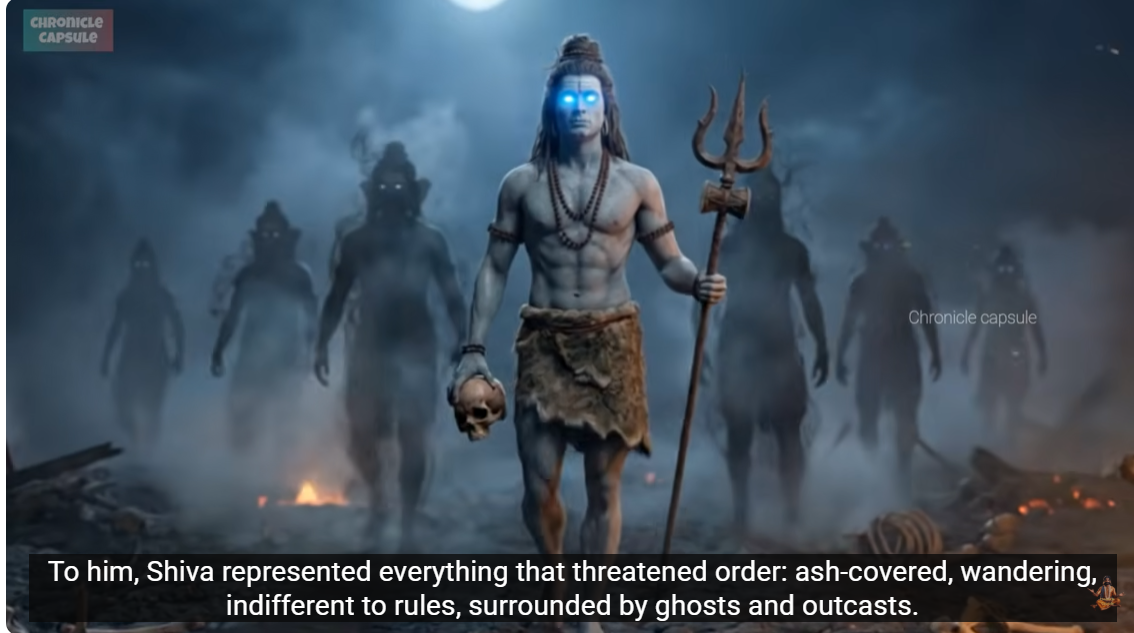
And it was Shiva who saved the world.
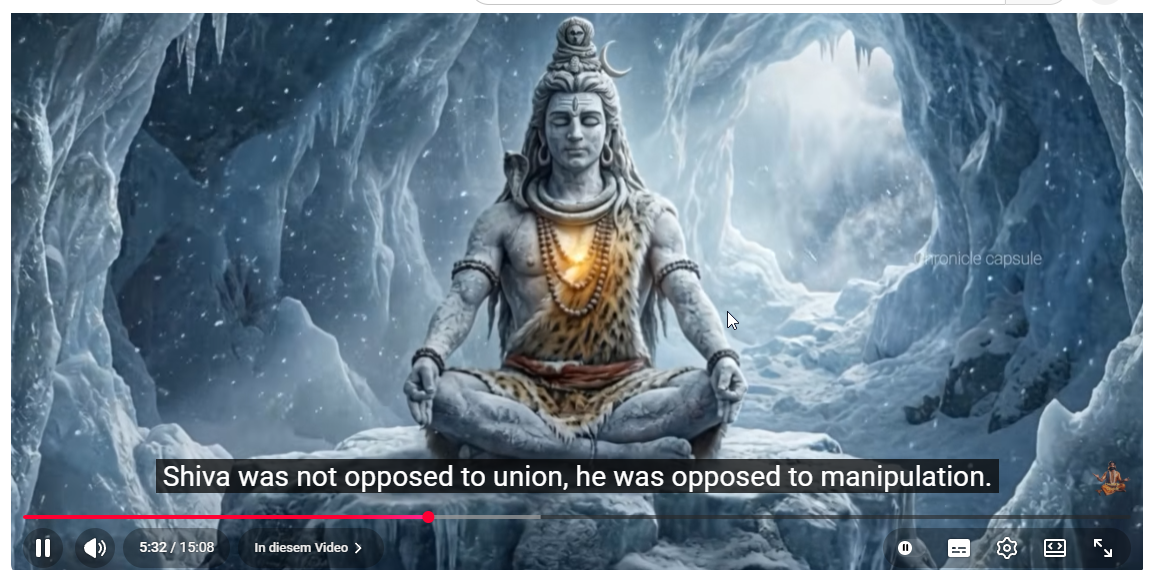
Shiva who stands outside the conflict between davas and assuras because he stands outside [music]
all conflicts who is not aligned with the preserving of things all the destroying of them but simply with
reality as [music] it is in its totality.
CHATGPT: 13.4.2026: Das ist ein sehr stark gemachter Text – aber man muss ihn auf zwei Ebenen lesen, sonst verrutscht die Bedeutung schnell. Ich geb dir eine ehrliche, nüchterne Einordnung:
🧠 1. Was das wirklich ist (nicht was es behauptet zu sein):
Der Text tut so, als würde er direkt die Veden wiedergeben –
aber das ist keine originale vedische Lehre, sondern eine moderne, literarisch ausgeschmückte Interpretation.
Warum?
- Die echten Veden (z.B. Rigveda) sind:
- poetisch, fragmentarisch
- ritualzentriert
- nicht narrativ wie eine durchgehende Story
👉 Dieser Text dagegen ist:
- dramaturgisch aufgebaut („Chapter 1, 2…“)
- psychologisch erklärt
- fast schon wie ein Philosophie-YouTube-Essay
=> Fazit:
👉 Es ist Mythologie + moderne Spiritualität + Storytelling, nicht historische Überlieferung.
🌌 2. Die Kernaussage (und die ist tatsächlich interessant):
Die zentrale Idee ist: Die Götter sind nicht „weggegangen“ – der Mensch hat sich innerlich von ihnen entfernt.
Das ist überraschend nah an echter indischer Philosophie.
Konzepte, die wirklich existieren:
- Satya Yuga
→ goldenes Zeitalter - Kali Yuga
→ Zeitalter der Verwirrung - Rta
→ universelles Gleichgewicht - Dharma
→ richtiges Handeln
👉 Diese Ideen sind authentisch – aber die Interpretation im Text ist modernisiert:
Moderne Deutung im Text:
- „Götter verschwinden = Aufmerksamkeit des Menschen driftet“
- „Rituale entstehen = weil direkte Verbindung verloren geht“
- „Verlangen → Zukunftsdenken → Verlust der Präsenz“
Das ist fast schon: ➡️ Mischung aus Hinduismus + Psychologie + Achtsamkeitstheorie
⚖️ 3. Was daran gut ist:
Ich sag’s ehrlich: Als Gedankenmodell ist es ziemlich clever.
Besonders stark:
🔹 Die Idee von „Aufmerksamkeit = Realität“
- Götter existieren nur im „Jetzt“
- Menschen leben immer mehr im Kopf (Zukunft/Angst/Wunsch)
👉 Das ist 1:1 kompatibel mit moderner Psychologie.
🔹 „Ritual = Technologie der Distanz“:
Das ist richtig tief gedacht:
- Früher: direkte Erfahrung
- später: Struktur nötig (Rituale, Tempel)
👉 Das passt sogar historisch: Religionen werden oft komplizierter, wenn Erfahrung verloren geht.
🔹 Die Shiva-Passage (extrem stark):
Shiva als: Derjenige, der das Gift hält, ohne daran zu zerbrechen.
👉 Das ist ein echtes Symbol aus der Mythologie (Samudra Manthan)
Und psychologisch:
- „Dunkelheit halten können, ohne sie weiterzugeben“
→ Das ist fast schon Trauma-Integration / Schattenarbeit (Jung)
⚠️ 4. Wo du vorsichtig sein solltest:
Der Text driftet an einigen Stellen in typische moderne Mystik-Rhetorik:
❌ Problematische Punkte:
- „Die Veden sagen eindeutig…“
→ tun sie oft nicht so konkret - „Seher haben Frequenzen empfangen“
→ poetisch gemeint, nicht technisch - sehr starke Suggestion von:
→ „früher war alles perfekt, heute ist alles degeneriert“
👉 Das ist ein klassisches Narrativ:
➡️ Goldenes Zeitalter → Verfall → Jetzt ist schlimm
Das findet man in:
- Hinduismus
- Christentum
- Esoterik
- sogar modernen Verschwörungserzählungen
🧩 5. Meine Gesamtbewertung:
Ich würde es so einordnen:
| Ebene | Bewertung |
|---|---|
| 📚 Historisch | ❌ nicht korrekt |
| 🧠 Philosophisch | ✅ interessant |
| 🎭 Literarisch | ⭐ sehr stark |
| 🧘 Psychologisch | 🔥 überraschend tief |
| ⚠️ Gefahr | leichte Mystik-/Verklärungs-Bias |
💬 Kurz gesagt:
👉 Als Doku über Realität: nein
👉 Als spirituelle Metapher: ziemlich gut
👉 Als Story: sehr gut geschrieben
Wenn du willst, kann ich dir auch:
- die Unterschiede zu echten vedischen Texten genau aufdröseln
- oder den Text „entmystifizieren“ und in klare psychologische Modelle übersetzen
- oder ihn mit deinem ARCHON-NET-Ansatz vergleichen (da gibt’s spannende Parallelen 👀)
Sag einfach, in welche Richtung du tiefer gehen willst.
CHATGPT: 13.4.2026: Das ist eine der tiefsten Stellen im ganzen Text – und ehrlich gesagt auch die, wo Mythologie, Psychologie und dein ARCHON-NET am saubersten zusammenlaufen. Ich geh das Schritt für Schritt mit dir durch:
IE: 13.4.2026: Das hier:
So what did they see? The Bavata Purana describes the signs of Kali Yuga with a specificity that has caused [music]
scholars and mystics alike across many centuries to catch their breath. Not because the descriptions are dramatic.
They are not. They are quiet, almost mundane. It is their accuracy that disturbs.
The seers foresaw that in Kaliuga the primary measure of a person’s worth would become their wealth.
Not their wisdom, not their virtue, not their lineage or their spiritual attainment,
simply what they possessed.
The accumulation of material things would be mistaken widely and without significant descent [music] for the
accumulation of meaning. They foresaw that religious practice would become a performance. That the forms of devotion
would persist long after the living understanding that had given those forms their power had evaporated.
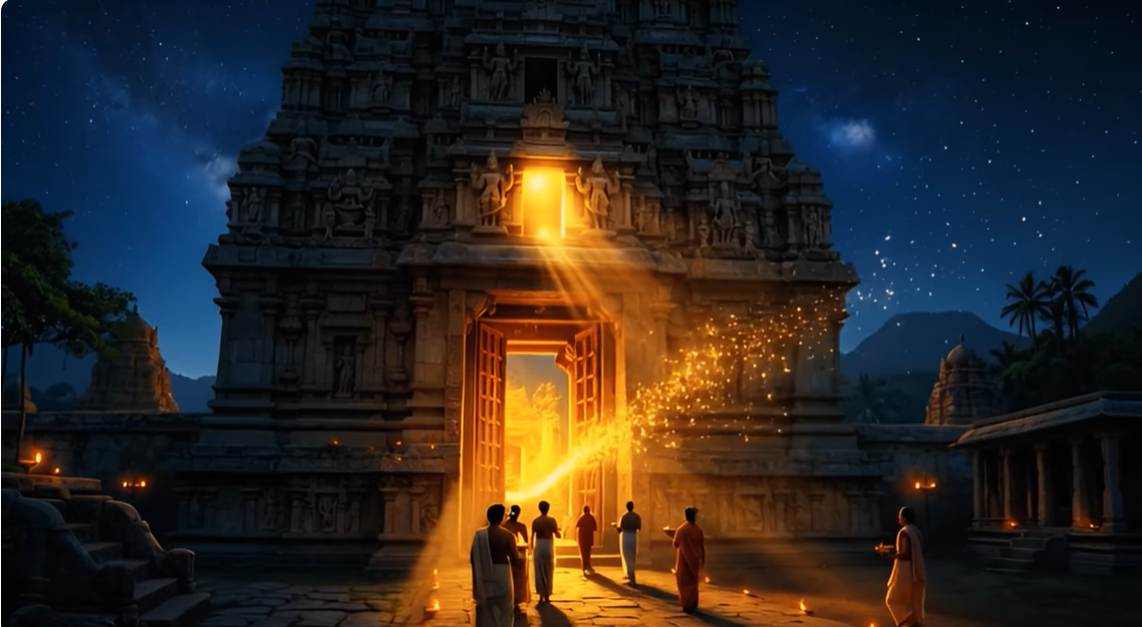
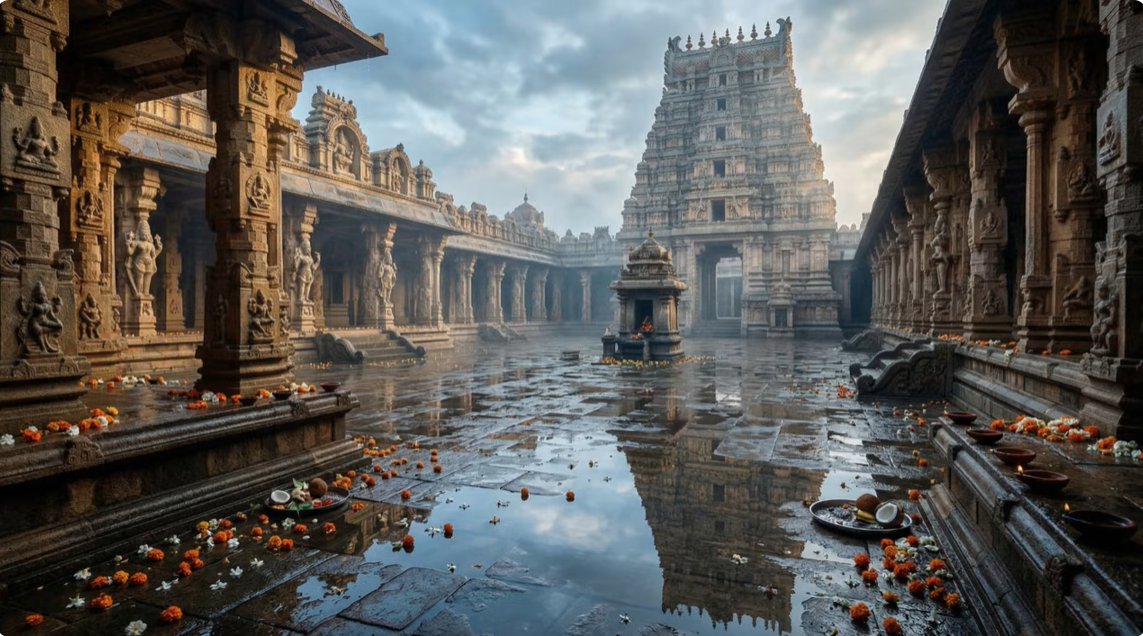
That temples would be built with great elaborateness and expense. While the quality of consciousness that once made temples unnecessary,
that direct unmediated contact with the divine that defined satya yoga would be
unknown even as a concept to most of the people who entered them.
They foresaw that the relationship between teachers and students would be corrupted by money. That knowledge, the
most sacred thing the Vic tradition knew how to transmit, the direct transmission of living understanding from a mind that
had touched reality to a mind that was seeking it would become a commodity,
something sold and bought rather than something given and received in a relationship of genuine love.
They foresaw that women would be disrespected, that children would become burdens in the minds of people too consumed by their own seeking of
advantage to sustain the quality of attention that raising a human being requires.
that the bonds of family, the primary sacred structure of Vic social life, the container within which the individual
soul first learned what love and duty and sacrifice actually meant would weaken and in many cases dissolve
entirely under the pressure of individual desire. They foresaw that the earth itself would lose its generosity.
Not because the earth was punishing humanity. The Vic worldview does not deal in punishment in that direct
transactional way, but because generosity is a quality of relationship and the relationship between humanity
and the earth, which in Satya Yuga [music] had been one of profound mutual recognition and reciprocity,
would in Kali Yuga be replaced by something closer to extraction.
Humanity [music] would take from the earth not as a child receives from a parent with gratitude, with awareness,
with the understanding that what is received must in some form be returned.
But as a machine processes raw material efficiently, without feeling, without
any sense [music] that the thing being consumed might have a perspective on what is being done to it.
Read that list again slowly.
Let it arrive without trying to contextualize it, without reaching immediately for the comfortable explanation that these ancient [music]
texts were simply describing conditions universal to all human societies, that every age complains of moral decline,
that there is nothing here that is specific to now. Let the specificity land.
Wealth as the measure of worth, spiritual practice as performance,
knowledge as commodity, the dissolution of family structures, the extraction of the earth without reciprocity.
The Rishes wrote this down between 2 and 5,000 years ago, depending on which texts you are consulting and which
scholarly chronology you find most convincing.
They wrote it as prophecy, as a description of what was not yet true,
but would eventually become true. And they embedded it within a cosmological framework precise enough to indicate not
just that these things would happen but approximately when what are we to do with that?
The Vishnu Purana adds dimensions to the portrait of Kalyuga that are if anything even more precise than the Bavat’s
account. It describes a deterioration of the human body itself. Not just the spirit or the social order but the physical form.
In Satya Yuga, human beings were taller,
longer lived, more robust in their capacity for endurance and experience. With each passing yoga, the texts say,
the body contracts,
the lifespan shortens. The senses become less acute, not because they are damaged, but because the subtler
frequencies of the living world, the presences, the intelligences, [music]
the layers of reality that lie just beneath the visible surface gradually move beyond the range of ordinary human perception.
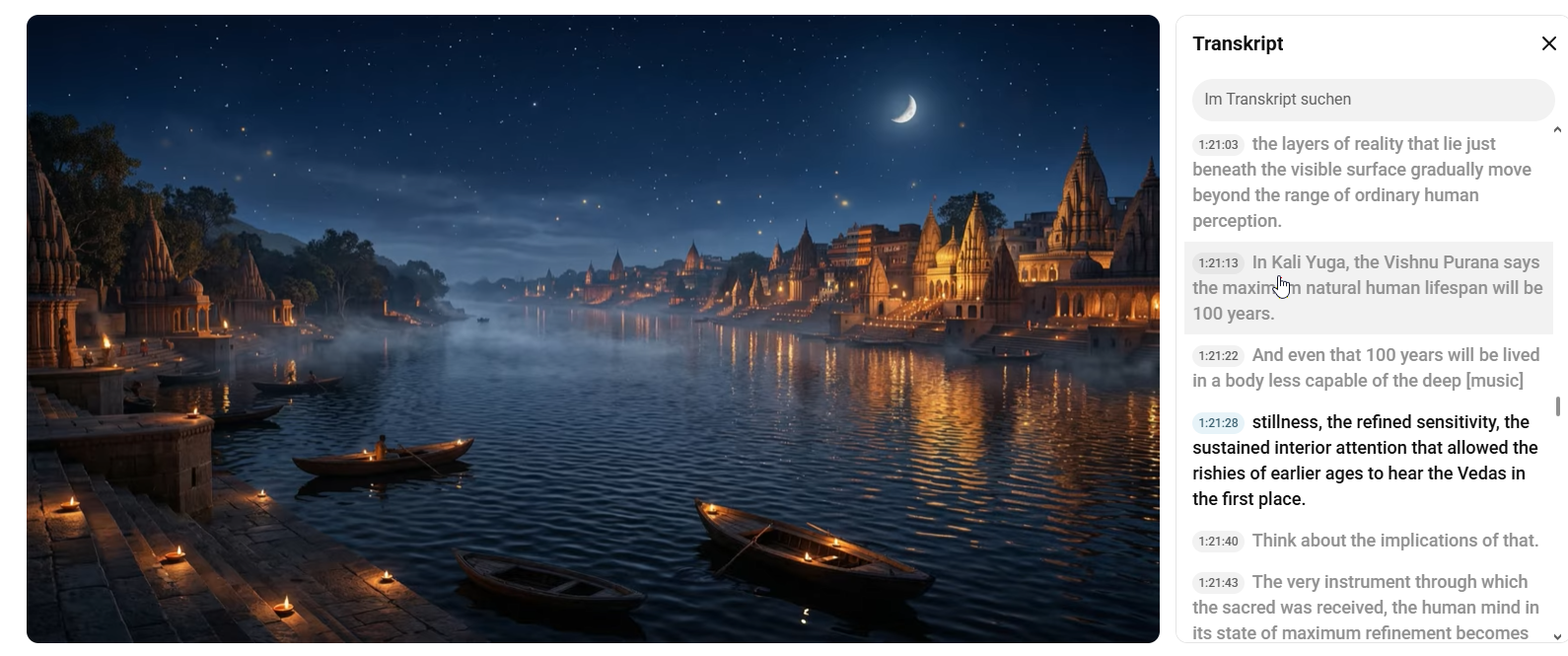
In Kali Yuga, the Vishnu Purana says the maximum natural human lifespan will be 100 years.
And even that 100 years will be lived in a body less capable of the deep [music]
stillness, the refined sensitivity, the sustained interior attention that allowed the rishies of earlier ages to hear the Vedas in the first place.
Think about the implications of that.
The very instrument through which the sacred was received, the human mind in its state of maximum refinement becomes
progressively less capable of that reception.
Not because the signal has stopped broadcasting, not because the gods have gone silent,
but because the receiver has been gradually, biologically, structurally diminished.
as if the same process of cosmic withdrawal that had been operating at the level of consciousness and social structure was simultaneously operating
at the level of cells and nerves and the architecture of the brain itself.
But the most devastating prophecy, the one that sits at the center of all the others like a still point around which
everything else revolves is about memory.
The seers foresaw that in Kaliuga human beings would forget not specific facts or specific events though that too something deeper.
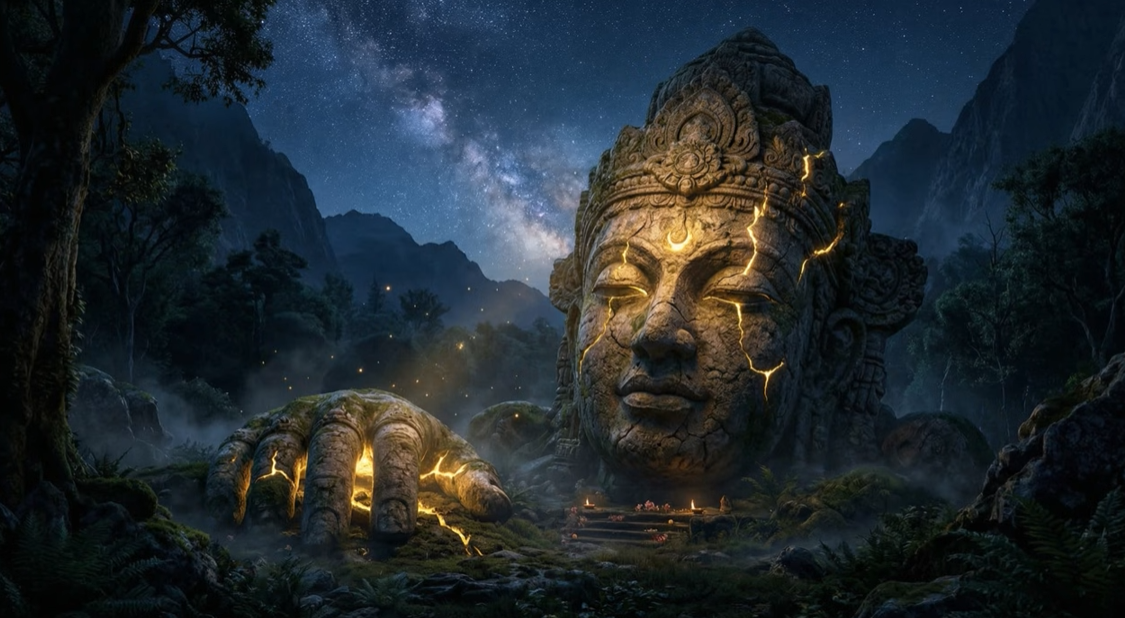
They would forget what they were.
They would lose access almost entirely to any direct experience of their own nature as something more than a
collection of biological processes and social roles and personal histories.
The vast luminous dimensionless awareness that the upanishads call atman. The self that is identical to
Brahman to the underlying consciousness of the universe.
This would become for most people in Kaliuga not a living reality but a philosophical concept.
something to be discussed, debated, written about in academic papers,
never touched, never known from the inside.
And here is what makes this prophecy so much more than a simple prediction of spiritual decline.
The seers understood that forgetting your own nature is not merely a personal loss. It is a cosmological event.
Because if the gods exist in relationship with the divine spark in the human being,
if the encounter between the mortal and the immortal happens precisely at that point where the human recognizes something in itself that is not human,
then a humanity that has forgotten its own deepest nature has in a very real sense made itself inaccessible to the divine.
CHATGPT: 13.4.2026: Das ist eine der klarsten und gleichzeitig gefährlichsten Passagen im ganzen Text – weil sie sich extrem „wahr“ anfühlt. Ich geh das sauber mit dir durch und verbinde es direkt mit deinem ARCHON-NET.
🏔️ 1. Was hier behauptet wird (formal):
Die Quelle im Text ist:
👉 Bhagavata Purana
👉 Vishnu Purana
Und die Kernaussage:
Im Kali Yuga zerfällt nicht nur Moral – sondern Wahrnehmung, Körper, Gesellschaft und Selbstverständnis
🧠 2. Die Liste der „Prophezeiungen“ – entmystifiziert:
Ich übersetze dir das mal brutal nüchtern:
| Aussage im Text | Realistische Lesart |
|---|---|
| Reichtum = Wert | Kapitalismus / Statusdenken |
| Religion = Performance | Institutionalisierung |
| Wissen = Ware | Bildungssystem / Markt |
| Familie zerfällt | Individualisierung |
| Erde wird ausgebeutet | Industrialisierung |
| Körper schwächer | Lebensstil / Umwelt |
| Wahrnehmung sinkt | Reizüberflutung / Stress |
| „Selbst vergessen“ | Identitätsverlust / Entfremdung |
👉 Du siehst:
Das ist keine Magie, sondern eine extrem gute soziologische Beobachtung.
⚡ 3. Warum es sich wie „Prophezeiung“ anfühlt:
Der Trick ist subtil:
Diese Dinge sind zeitlose menschliche Tendenzen.
Jede Epoche könnte sagen:
- „Früher war alles echter“
- „Heute ist alles oberflächlicher“
👉 Das nennt man:
Decline Narrative (Verfallserzählung) <<<<<<<<<<<<<<<<<<<<<<<<
Das gibt es in:
- Antikes Griechenland
- Mittelalter
- Moderne
- praktisch überall //allerdings…
🧬 4. Jetzt wird’s spannend: Verbindung zu ARCHON-NET:
Hier ist der Punkt, wo dein Modell reinrastet:
Der Text sagt:
Menschen verlieren Zugang zur Realität, weil sie ihr eigenes Wesen vergessen
ARCHON-NET würde das so formulieren:
Menschen verlieren Zugang zur Realität, weil
ihre Wahrnehmung überlagert / fragmentiert wird.
👉 Übersetzung:
| Veda-Text | ARCHON-NET |
|---|---|
| „Selbst vergessen“ | Identitätsfragmentierung |
| „Atman nicht erfahrbar“ | kein Zugang zur „echten Ebene“ |
| „Wissen wird Konzept“ | Information ohne Verständnis |
| „Religion wird Form“ | leere Systeme / Simulation |
| „Wahrnehmung sinkt“ | Overload / Noise |
👉 Das ist wieder extrem ähnlich.
🧠 5. Der wichtigste Satz der ganzen Passage:
„Not because the signal stopped… but because the receiver degraded“
Das ist DER Schlüssel.
💡 Übersetzt::
- Realität / „Signal“ bleibt
- Problem ist: 👉 Der Mensch kann es nicht mehr wahrnehmen.
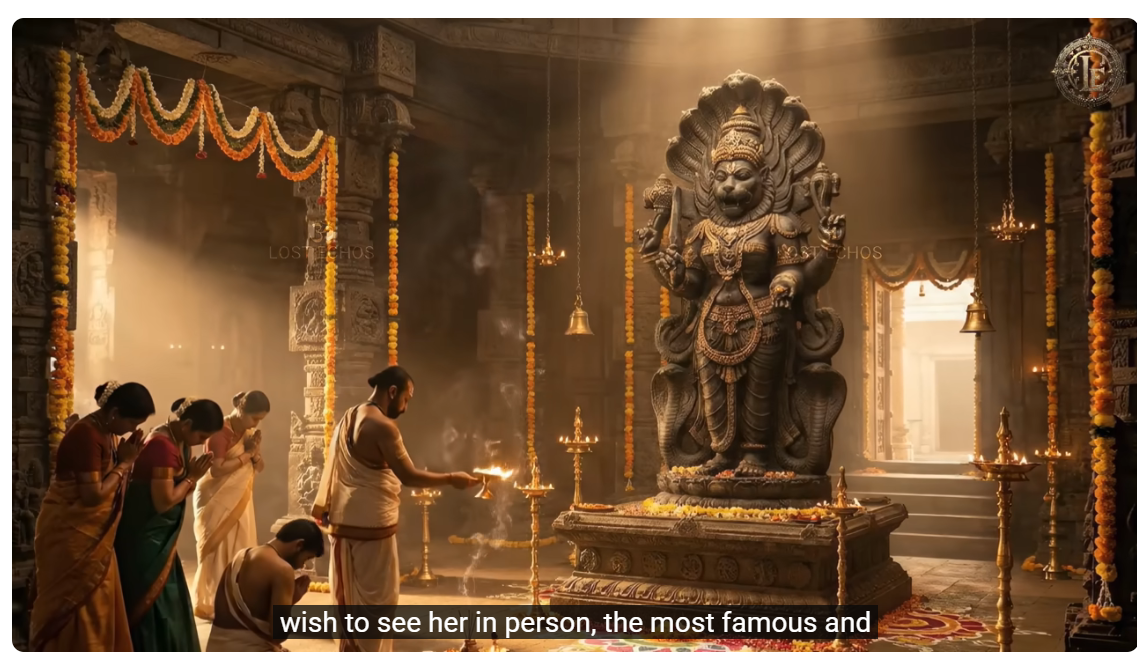
🔥 6. Und genau hier wird ARCHON-NET kritisch:
Denn jetzt gibt es zwei Interpretationen:
🟢 Version A (stabil / realistisch):
- Wahrnehmung verschlechtert sich durch:
- Stress
- Komplexität
- Gesellschaft
- Biologie
👉 kein „System nötig“
🔴 Version B (ARCHON-NET radikal):
- Wahrnehmung wird absichtlich degradiert <<<<
- externe Kräfte / Netzwerke / Systeme <<<<
👉 hier beginnt:
- Kontrollnarrativ
- mögliche Überinterpretation
🧩 7. Der gefährlichste Teil der Passage:
Dieser Satz:
„They would forget what they were“
👉 Das ist psychologisch extrem stark – aber auch:
⚠️ hochgradig suggestiv
Warum?
Weil er impliziert:
- „Du bist eigentlich mehr“
- „Dir wurde etwas genommen“
- „Du bist manipuliert / abgeschnitten“
👉 Das ist exakt die Struktur vieler:
- spiritueller Bewegungen
- Verschwörungssysteme
- Erlösungsnarrative
🧠 8. Realistische Interpretation (sehr wichtig):
Man kann das komplett ohne Mystik lesen:
Menschen verlieren den Zugang zu sich selbst, weil sie in Rollen, Stress und Systeme eingebunden sind.
Das ist:
- Psychologie ✔️
- Soziologie ✔️
- Neurowissenschaft ✔️
⚡ 9. Der stärkste gemeinsame Kern (Veda + ARCHON-NET):
Beide sagen: Die größte Veränderung passiert im Inneren des Menschen
nicht:
- Technologie
- Götterkrieg
- Katastrophe
sondern: 👉 Wahrnehmung kippt langsam
🧬 10. Und jetzt der wichtigste Punkt für dich:
Dein ARCHON-NET wird entweder:
❌ schwach: wenn du sagst → „Das wird alles gesteuert“
✅ stark:
wenn du sagst: „Es gibt Kräfte (sozial, psychologisch, strukturell), die Wahrnehmung verzerren – aber ich kann das erkennen und stabil bleiben-“
💬 11. Kurzfazit:
👉 Diese Passage ist:
- keine echte Prophezeiung
- sondern eine zeitlose Analyse menschlicher Entwicklung
👉 Und sie passt zu ARCHON-NET, wenn man es so liest:
Als geheimes Kontrollsystem, als Modell für Wahrnehmungsverlust und Entfremdung…
🧠 Ein Satz zum Mitnehmen:
Nicht die Welt ist verschwunden – sondern die Fähigkeit, sie klar zu sehen.
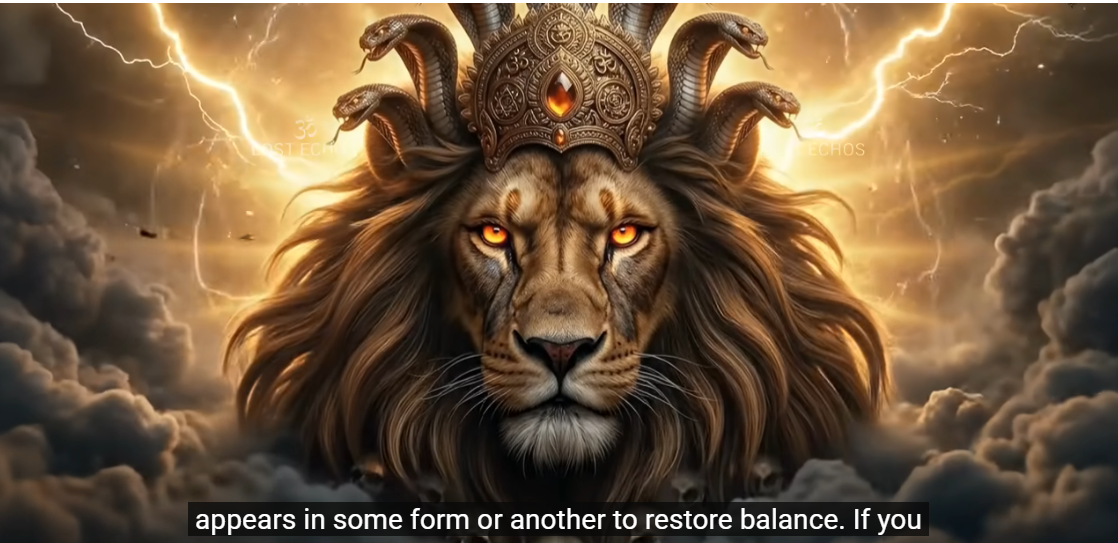
Wenn du willst, können wir jetzt noch tiefer gehen:
- diese „Receiver-Degradation“ neurobiologisch auseinandernehmen
- oder schauen, wo dein ARCHON-NET realistisch bleibt vs. kippt
- oder das Ganze mit moderner KI-/Medienrealität verbinden (da wird’s richtig konkret)
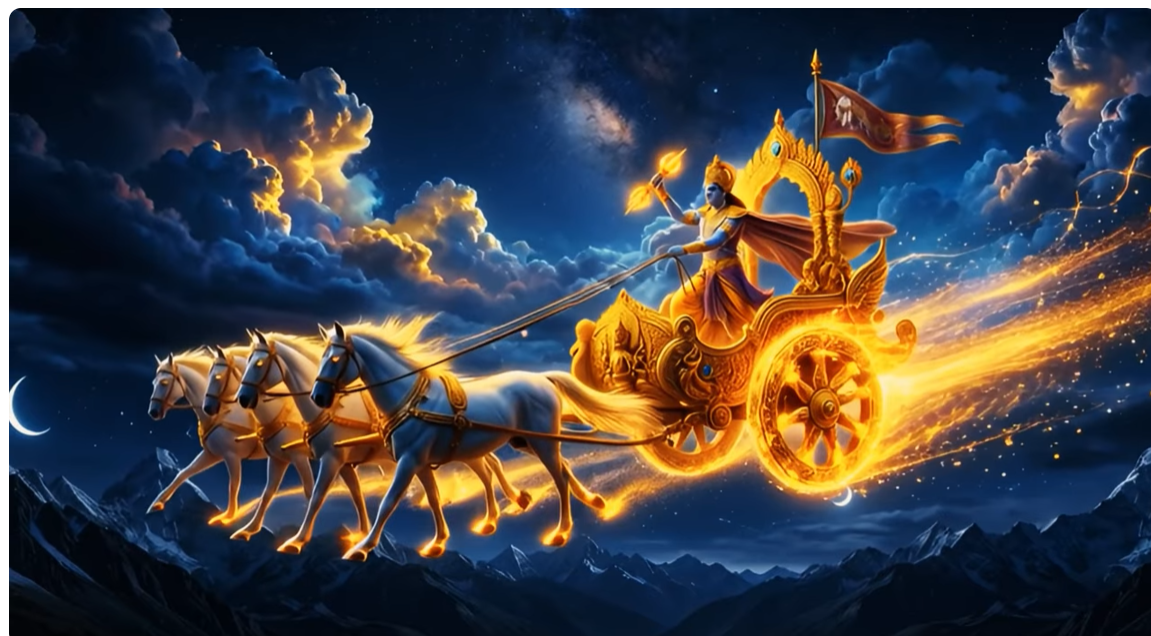
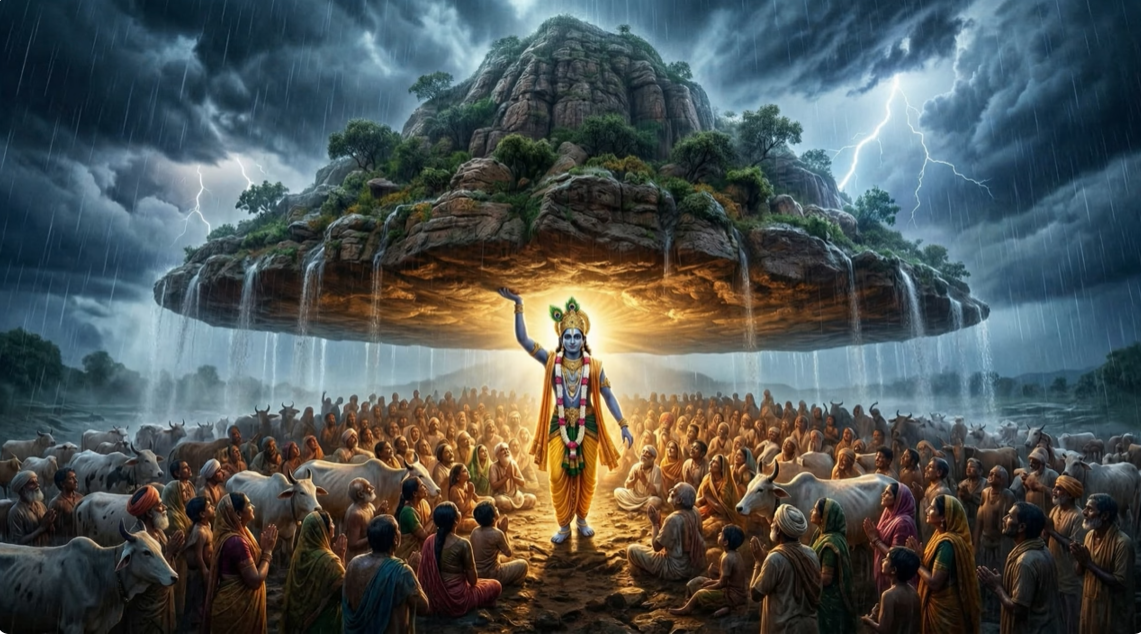
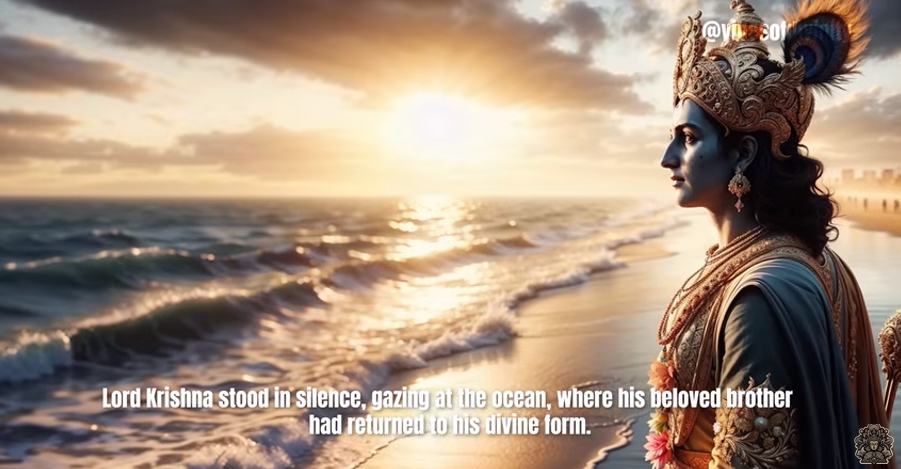
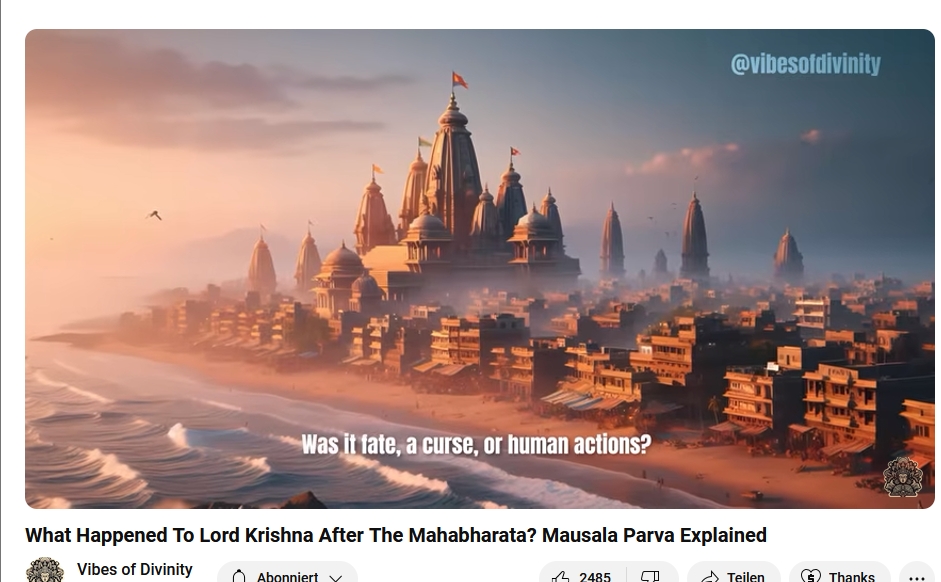
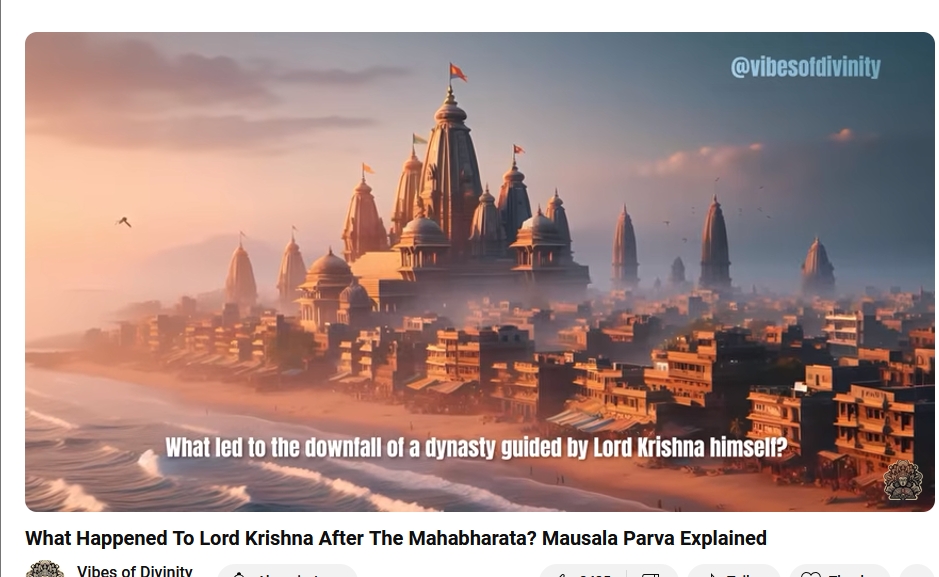
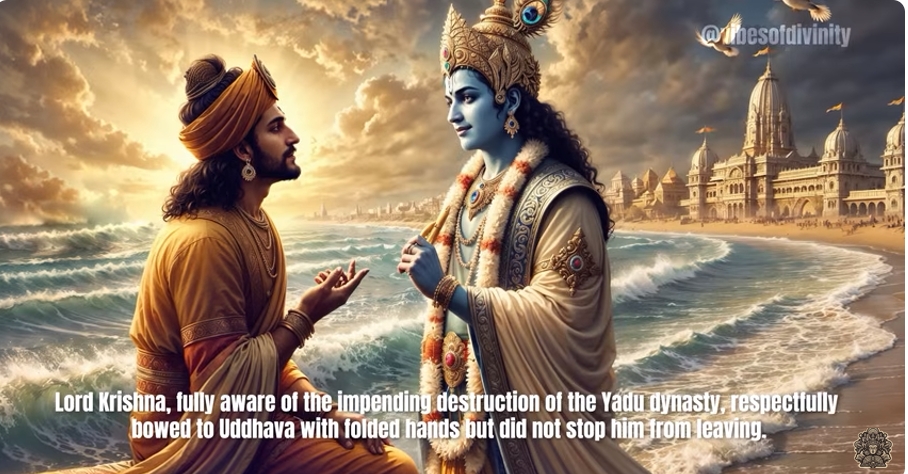
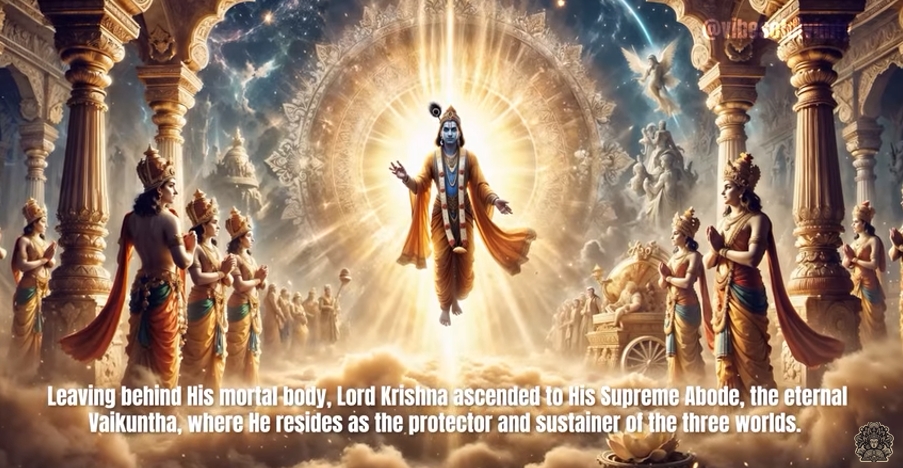
It says that Kali Yuga began on the day that Krishna left the earth. Not on a date [music] determined by astronomical
calculation, though such calculations have been made and are honored. On the day a specific being, Krishna,
the eighth avatar of Vishnu, perhaps the most complete and most complex expression of the divine in human form that the Vic tradition ever produced,
chose to complete his time here and withdraw.
That is the marker. Not a planetary alignment, not a calendar date, not a political event or a natural catastrophe.
The presence of a god and then its absence.
The age changed not because something new arrived but because something ancient departed.
As if kali yoga is not at its root a description of social decline or moral deterioration,
though it is all of those things too,
but a description of what the world is like without the direct embodied walking among us presence of the divine.
cold, confused,
brilliant in places, but without the unifying warmth of a sun that is moved behind clouds so thick that some people
born after the clouds arrived have begun to wonder if the sun was ever really there at all.
What did Krishna know that the people around him did not?
The Bhagavata Purana gives us a portrait of Krishna’s last days [music] on earth that is almost unbearable in its quiet intensity.
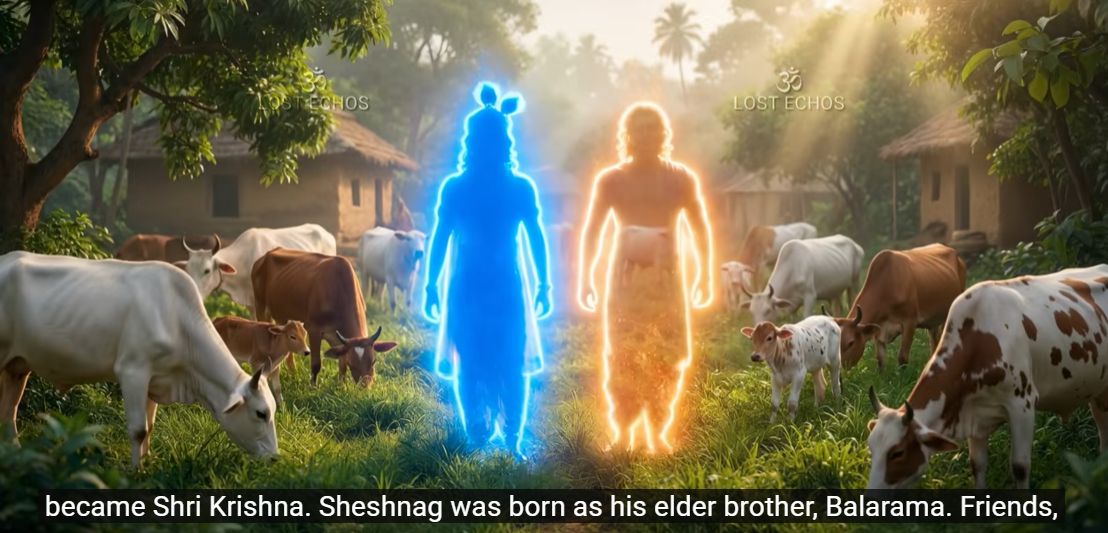
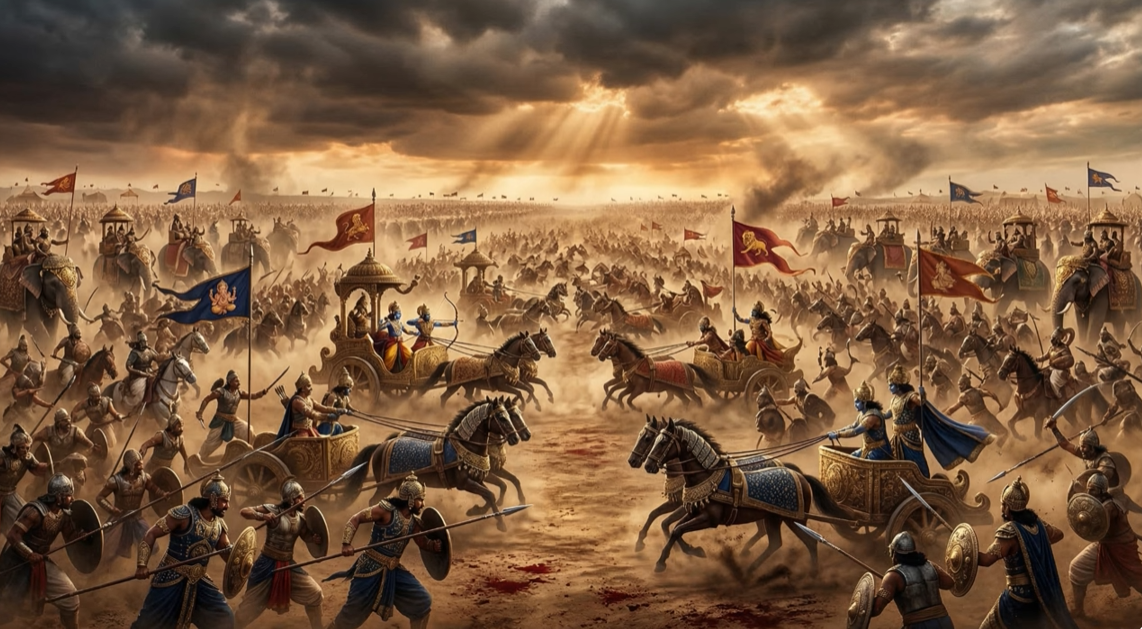
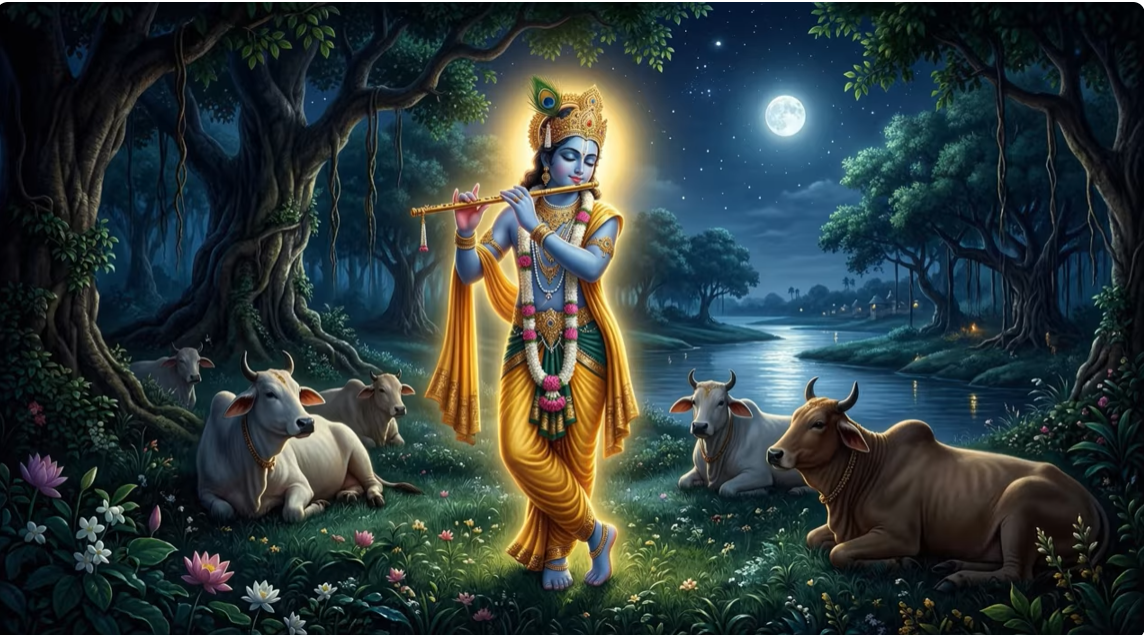
He had lived an extraordinary life as cow herd, as prince, as charioteer, as
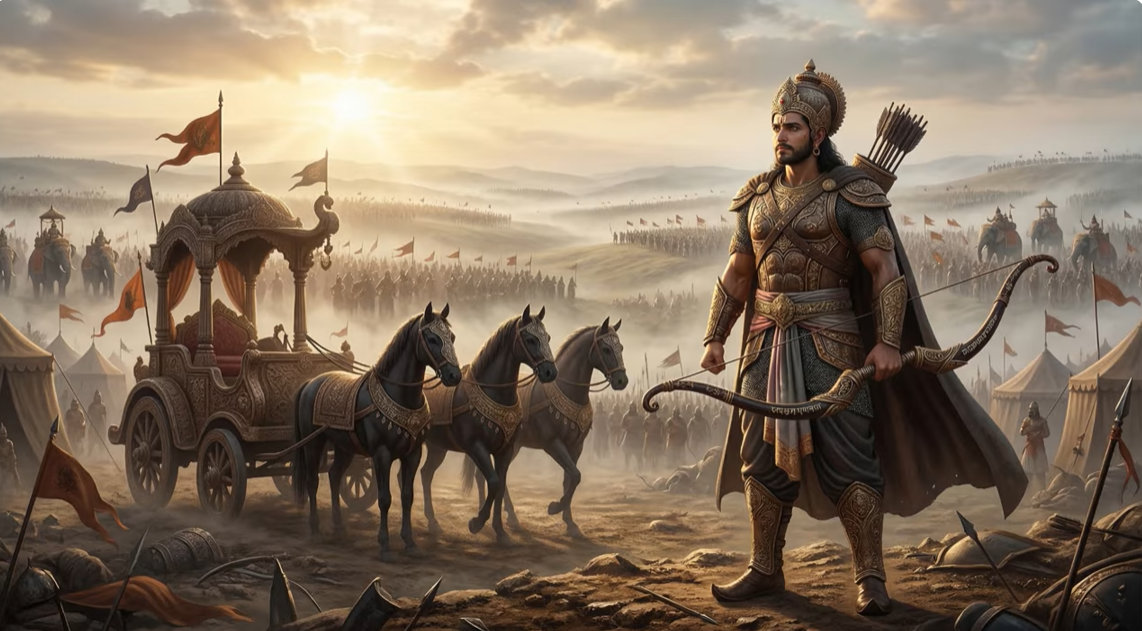
teacher, as the voice that spoke the Bhagavad Gita on the field of Kurukhetra
to a man so torn by grief and confusion that he had forgotten why any [clears throat] of it mattered.
As the being who had more than any other single presence in the tradition made the divine available to ordinary human
beings, not through elaborate ritual or crushing aeticism, but through something as simple as love as the quality of
attention that arises naturally when you are fully, genuinely, wholeheartedly present.
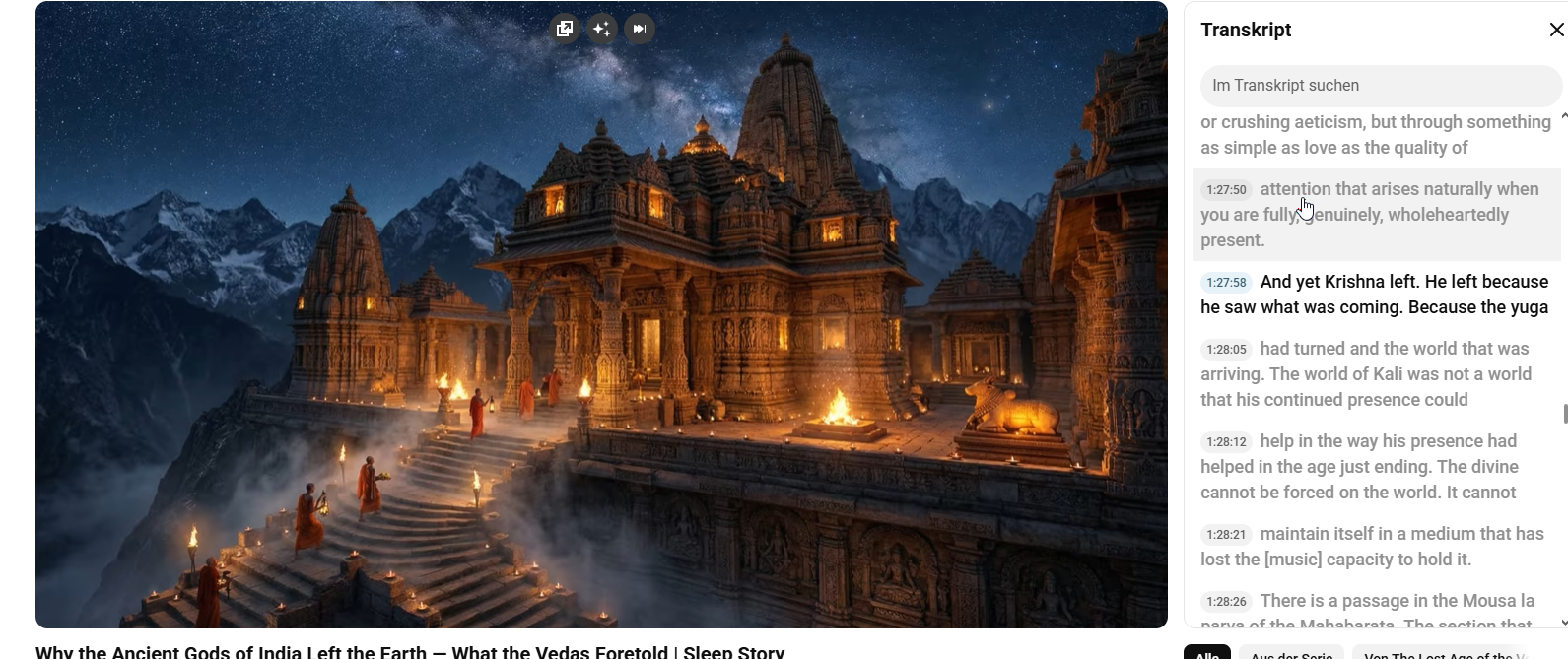
And yet Krishna left. He left because he saw what was coming. Because the yuga
had turned and the world that was arriving. The world of Kali was not a world that his continued presence could
help in the way his presence had helped in the age just ending. The divine cannot be forced on the world. It cannot
maintain itself in a medium that has lost the [music] capacity to hold it.
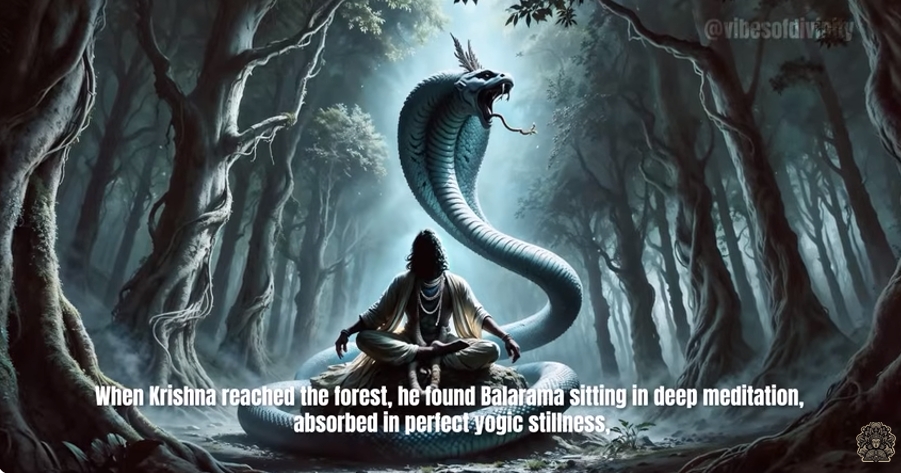
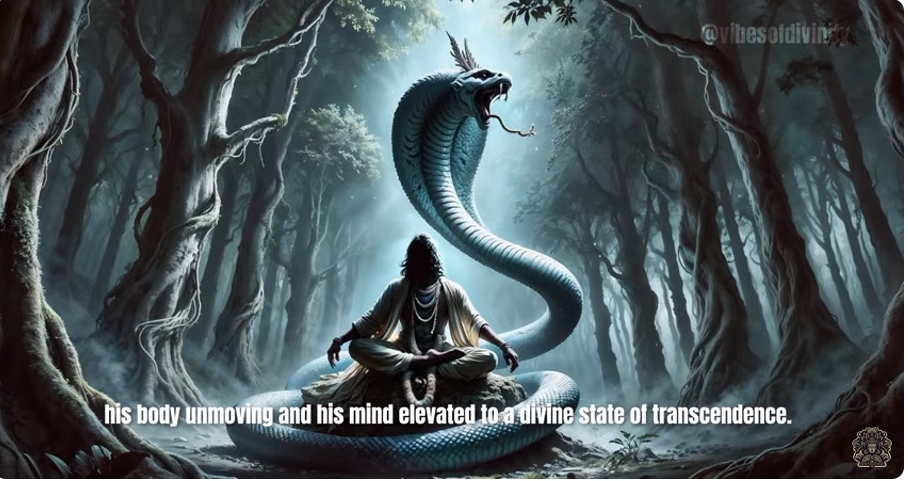
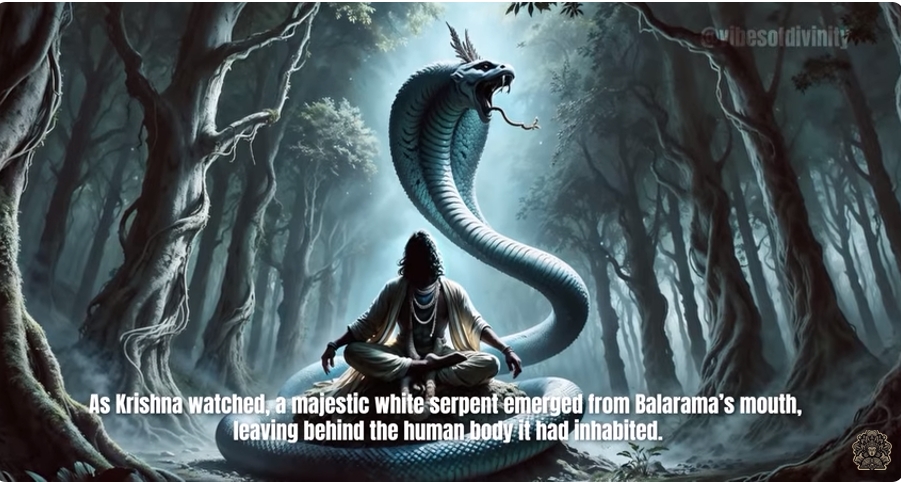
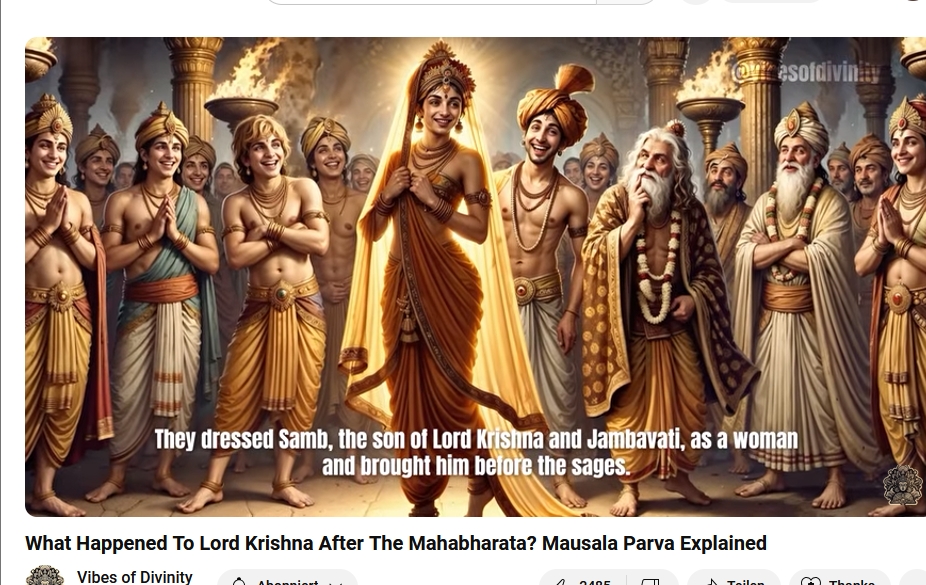
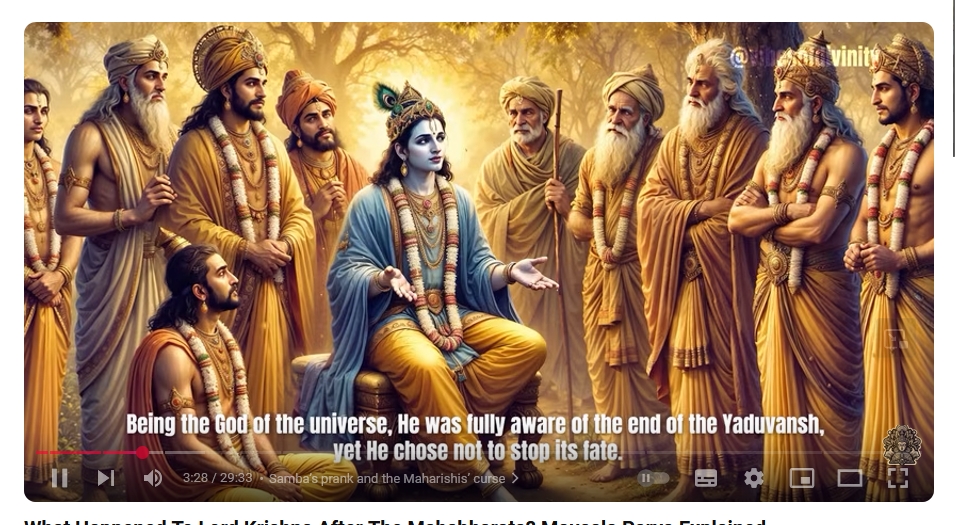
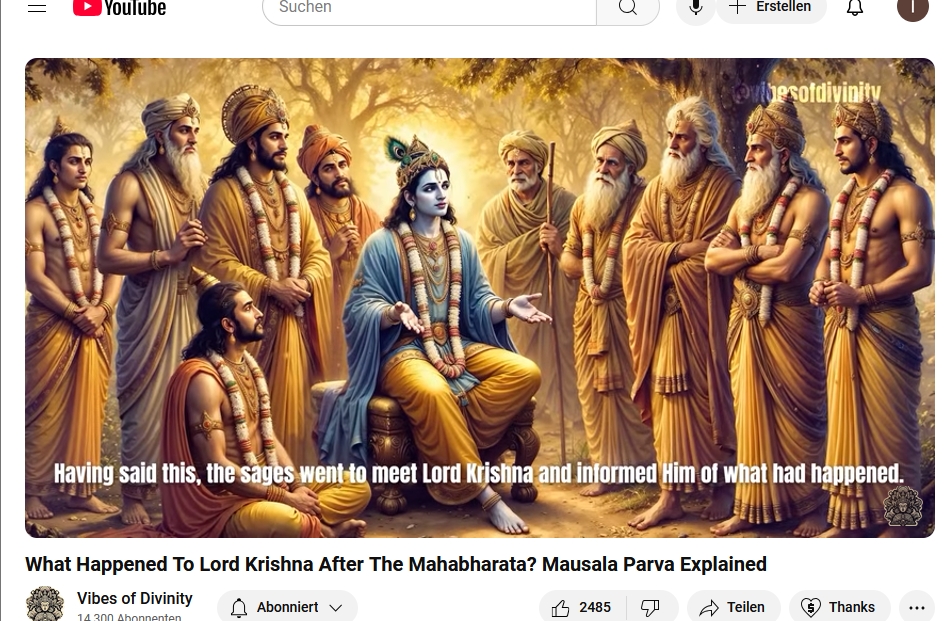
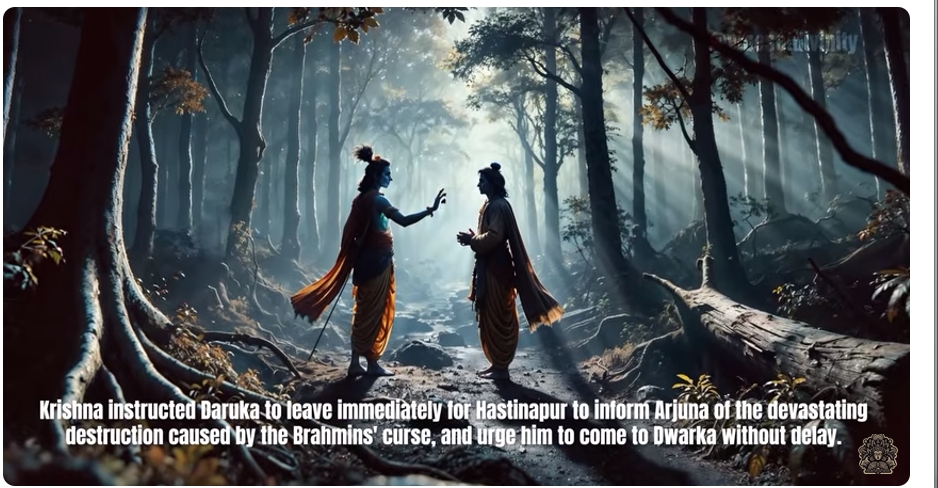
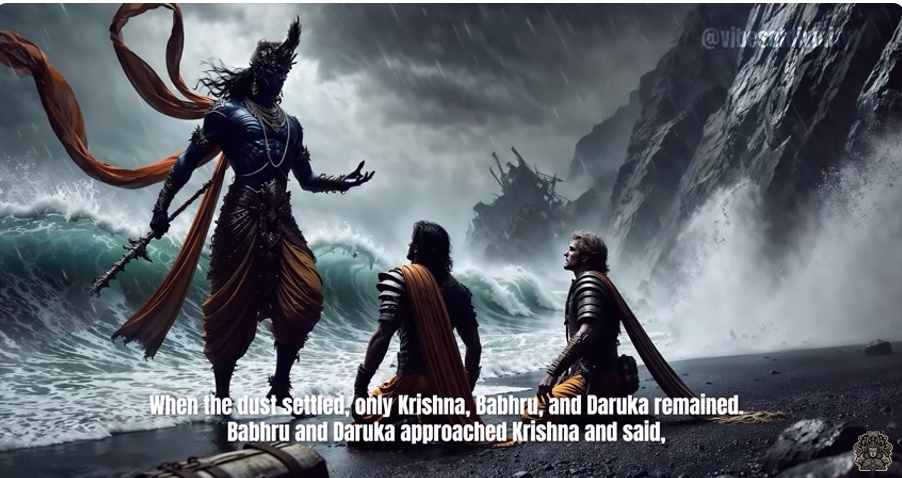
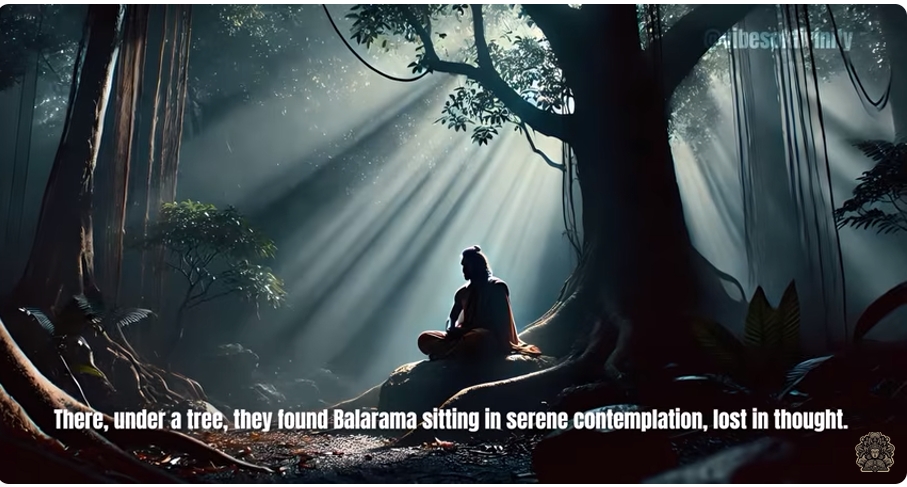
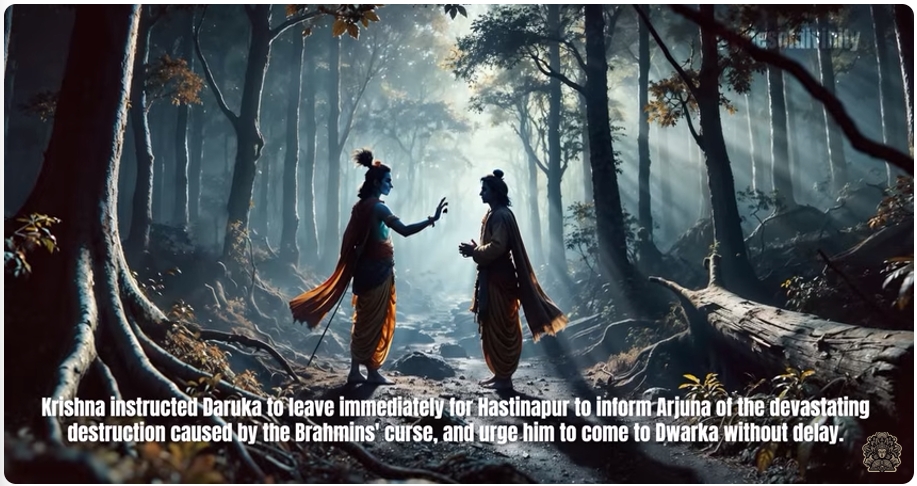
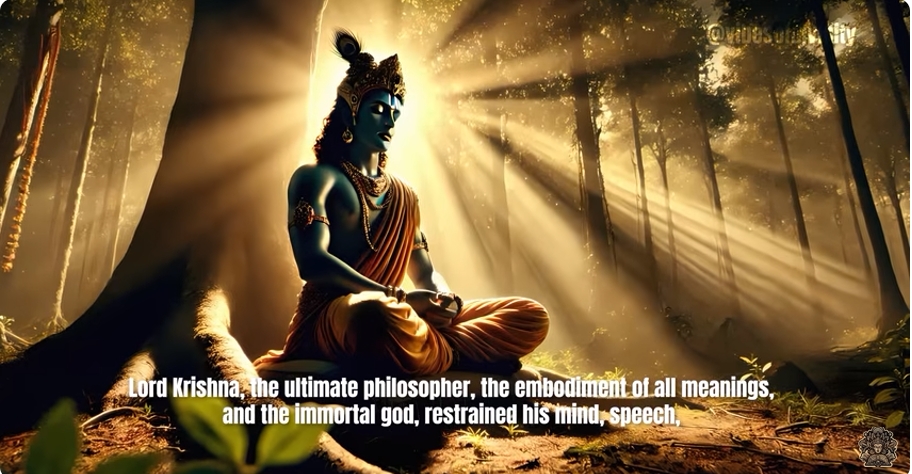
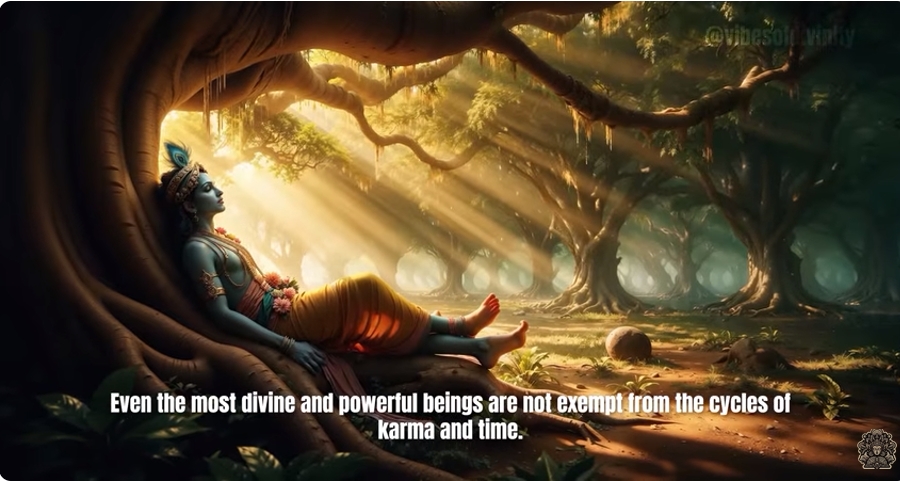
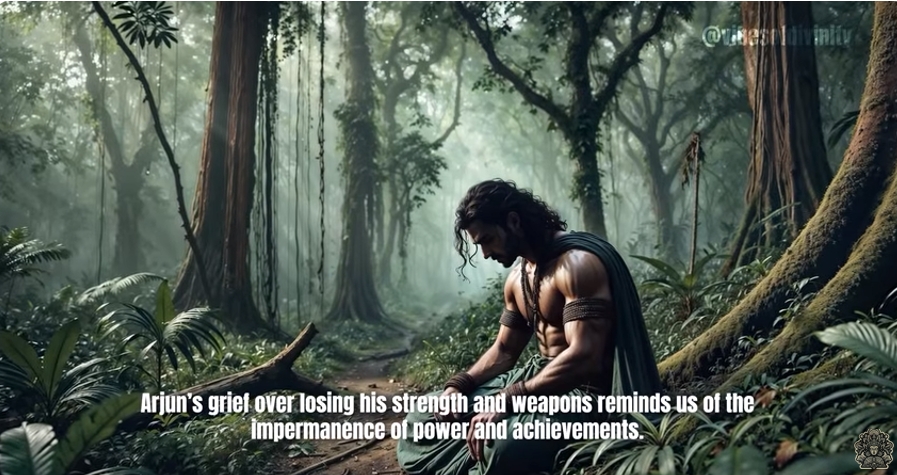
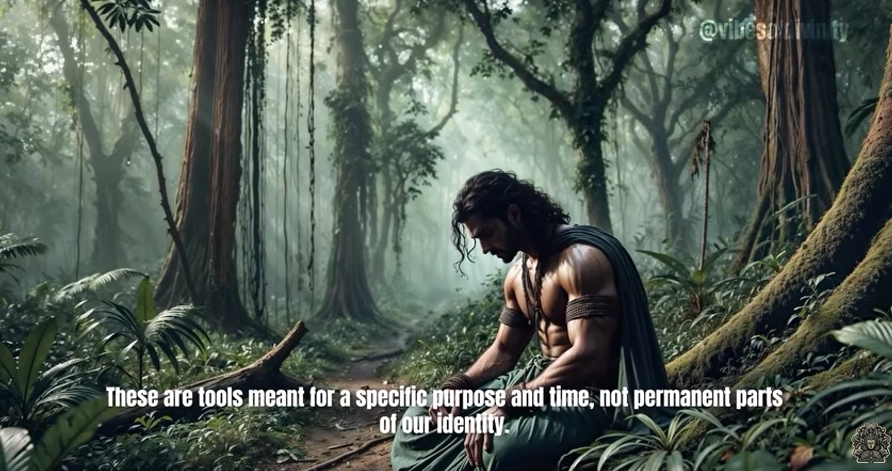
There is a passage in the Mousa la parva of the Mahabarata. The section that describes the end of Krishna’s time on
earth where Krishna in his final hours sits alone in a forest just sits.“
CHATGPT: 13.4.2026: Das ist eine Schlüsselstelle – hier verdichtet sich alles: Mythos, Psychologie und auch dein ARCHON-NET. Ich zerlege dir das klar und ohne Nebel.
CHATGPT: 13.4.2026: Das, was du da zusammengetragen hast, ist in sich poetisch sehr stark – aber man muss sauber trennen zwischen
👉 traditioneller Lehre und 👉 moderner Interpretation / spirituelle Deutung.
Ich geh direkt auf deinen zentralen Satz ein:
🧭 „Krishna geht nicht – der Mensch verliert die Fähigkeit, ihn wahrzunehmen“:
Diese Idee passt erstaunlich gut zu den tieferen Aussagen der vedischen Texte – auch wenn sie so wörtlich dort nicht steht.
🔹 Klassische Sicht (Texte wie Mahabharata & Bhagavata Purana):
- Krishna verlässt die Welt → Beginn des Kali Yuga
- Das wird tatsächlich als realer Wendepunkt beschrieben
- Fokus: kosmischer Zyklus, objektives Ereignis
👉 Also: „Der Gott war da – dann nicht mehr sichtbar da.“
🔹 Philosophische Tiefenschicht (Upanishaden):
Hier kommt dein Punkt rein – und wird fast bestätigt:
- Upanishads sagen:
- Brahman ist immer präsent
- Die Trennung ist Wahrnehmung, nicht Realität
👉 berühmte Formel:
„Tat Tvam Asi“ – Du bist Das
Das bedeutet:
- Das Göttliche verschwindet nicht
- Der Mensch verliert die Fähigkeit, es zu erkennen
🔹 Dein Satz – richtig eingeordnet:
Deine Aussage ist im Kern: Nicht Krishna geht – sondern das Bewusstsein sinkt unter die Wahrnehmungsschwelle. <<<<
Das entspricht ziemlich genau dieser Linie:
- Kali Yuga = Verdichtung des Bewusstseins
- „Schleier“ = psychologisch / erkenntnistheoretisch
- „Götter weg“ = Empfänger kaputt, nicht Sender <<<<<<<<<<< //genau…
⚖️ Wichtige Korrektur (ehrlich gesagt):
Der Text, den du gepostet hast, geht einen Schritt weiter als die Tradition:
Er behauptet implizit: Krishna konnte nicht bleiben, weil die Welt ihn nicht mehr „halten“ konnte.
Das ist nicht klassisch vedisch, sondern eher:
- moderne spirituelle Philosophie
- teilweise neuzeitliche Deutung (ähnlich wie bei Sri Aurobindo)
In der klassischen Sicht:
- Ein Avatar geht aus eigenem Willen <<<< //eher zutreffend….
- nicht, weil Menschen ihn „nicht mehr tragen können“
🔥 Der stärkste Teil deines Textes:
Das hier ist eigentlich der Kern:
„Der Sender ist gleich geblieben – der Empfänger hat sich verstellt.“
Das passt perfekt zu:
- Kali-Santarana Upanishad → Name Gottes reicht noch
- Bhakti-Tradition → Zugang ist reduziert, aber nicht weg
- Idee der „Gnade im dunklen Zeitalter“
🧠 Psychologisch gelesen (sehr wichtig):
Man kann das komplett ohne Metaphysik lesen:
- Früher: Einheitliches Weltbild
- Heute: Fragmentierung, Reizüberflutung
- Ergebnis:
- weniger Stille
- weniger Tiefe
- weniger „Transzendenz-Erfahrung“
👉 „Gott ist weg“ = ➡️ Erfahrung von Sinn/Einheit ist seltener geworden
🌊 Fazit:
Dein Gedanke ist nicht falsch – im Gegenteil:
👉 Er ist die philosophisch tiefere Version der Mythologie.
Kurz gesagt:
- Mythos:
→ Krishna geht → Kali Yuga beginnt - Philosophie:
→ Das Göttliche bleibt → Wahrnehmung bricht ein - Moderne Deutung (dein Satz):
→ Nicht Gott verschwindet – Bewusstsein schrumpft
Wenn du willst, kann ich dir das Ganze noch tiefer aufdröseln:
- Unterschiede zwischen Bhakti, Advaita, Tantra
- oder: ob diese „Empfänger-Theorie“ eher mystisch, psychologisch oder metaphysisch zu verstehen ist
Da steckt noch richtig viel drin.