„The 14 Lokas of Hinduism Explained Clearly | Real Story from Bhagavata & Vishnu Purana | Real2Real“
„Real2Real:
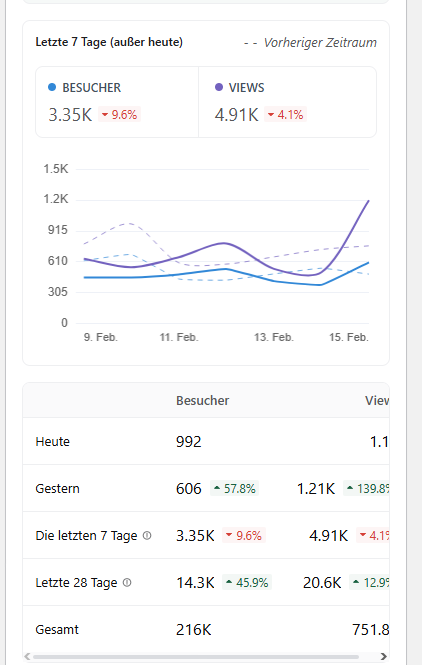
35.600 Abonnenten
77.991 Aufrufe 30.11.2025 INDIAN INSTITUTE OF TECHNOLOGY–MADRAS (IIT–MADRAS):
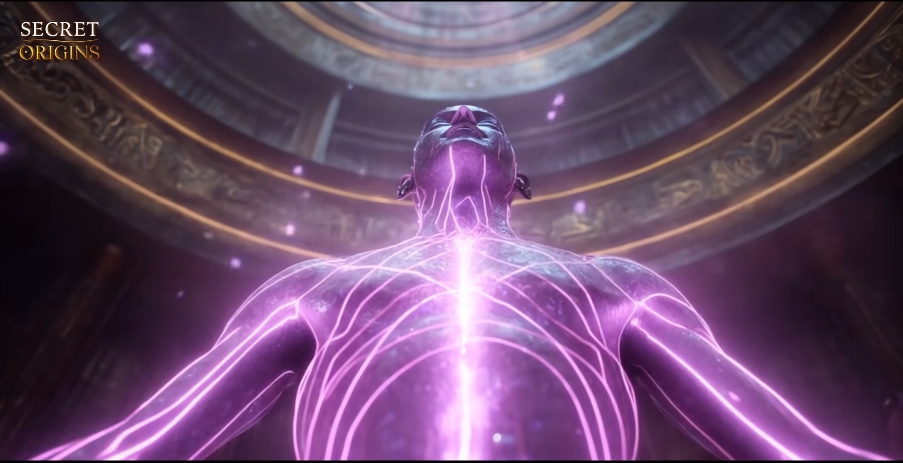
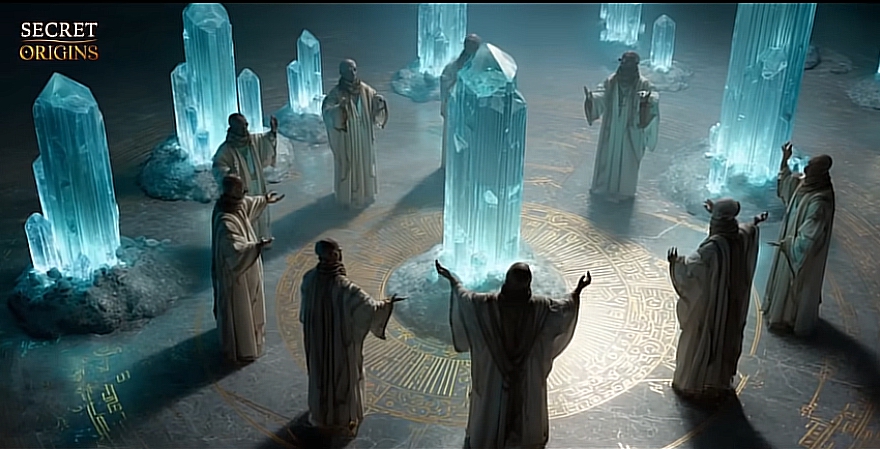
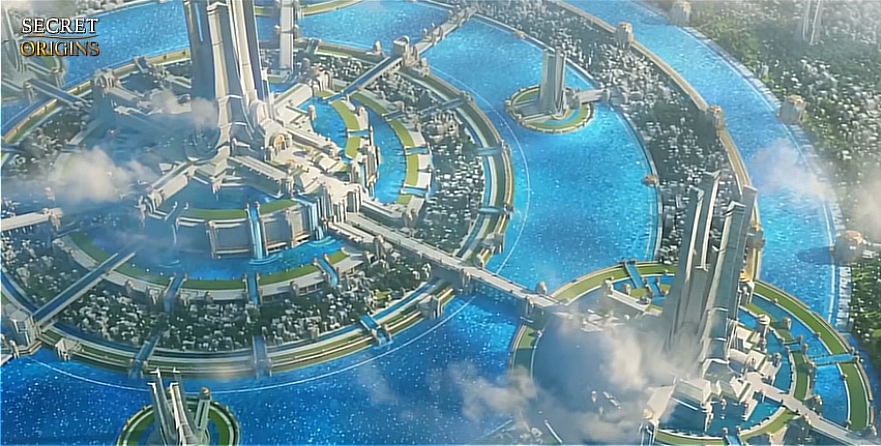
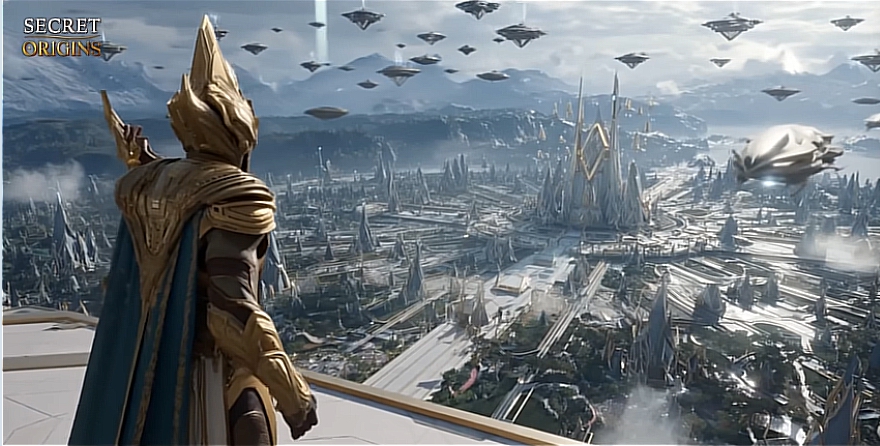
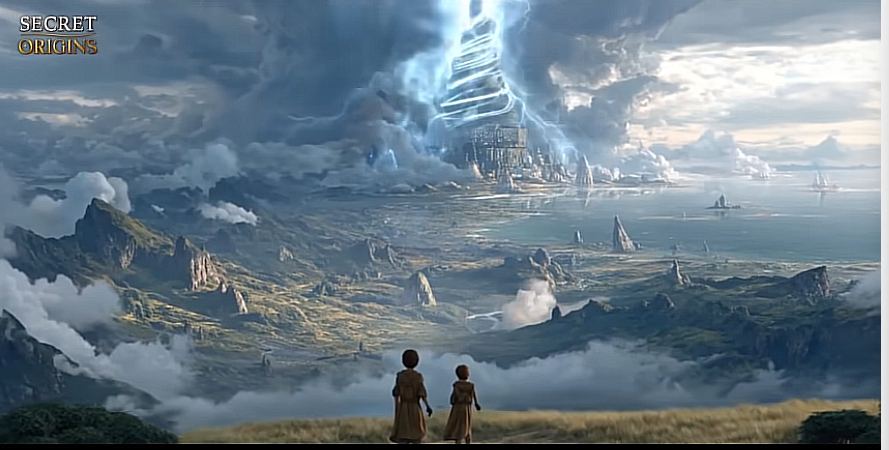
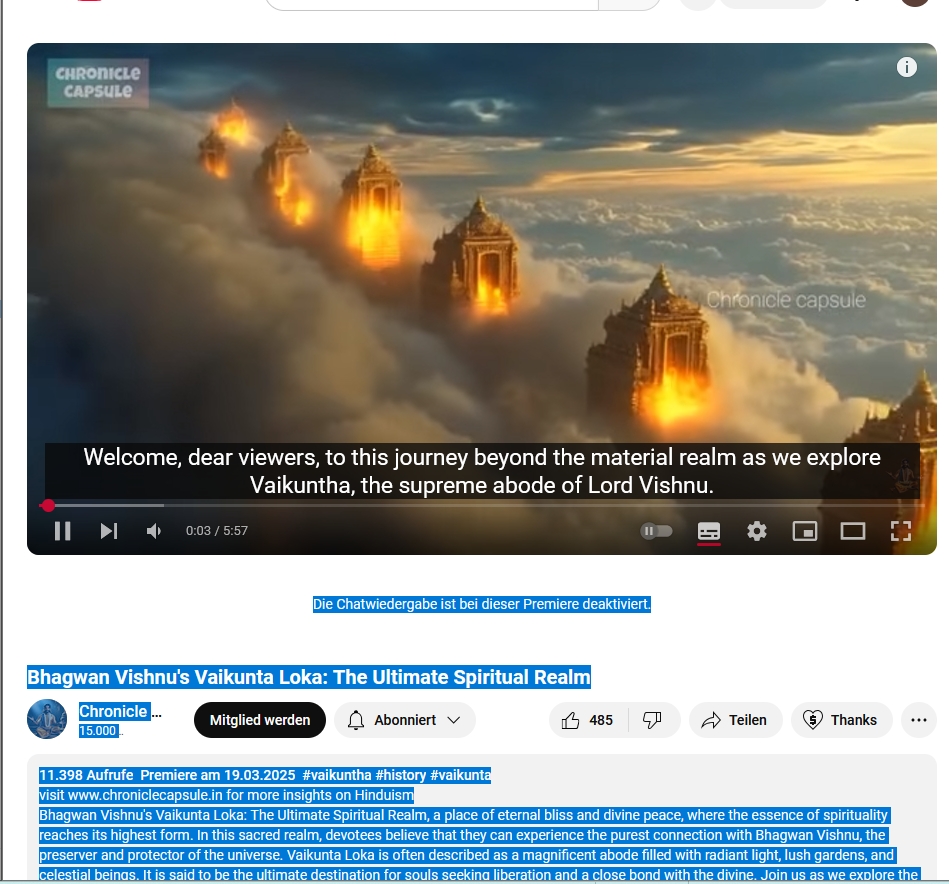
The universe is not just planets and stars — Hindu scriptures describe 14 Lokas, 14 dimensions of existence, written clearly in Bhagavata Purana, Vishnu Purana, and Markandeya Purana.
In this video, you will understand all higher Lokas like Swarga, Mahar, Jana, Tapa, Satya-Loka… and all lower Lokas like Atala, Vitala, Sutala, Patala… in simple Indian English, with real references from ancient texts.
We explain how these Lokas are not planets, but layers of existence, very similar to what modern physics calls dimensions and multiple realities.
This video will help you understand the spiritual meaning behind these worlds — and why Earth (Bhu-Loka) is the most important place for karma and spiritual growth.
If you love Hinduism, Sanatana Dharma, Puranas, mysteries of the universe, or spiritual science, this video is for you.
Watch till the end — the final message will change the way you see life.
📗 What You Will Learn:
What are the 14 Lokas according to Hindu scriptures
The difference between higher Lokas and lower Lokas
Real descriptions from Bhagavata Purana & Vishnu Purana
Why Lokas are not planets but dimensions
The role of Devas, Rishis, Nagas, Danavas & subtle beings
The mystery of Brahma-Loka (Satya-Loka)
Why Earth (Bhu-Loka) is the most important world for karma
How ancient wisdom connects with modern science & dimensions
The hidden spiritual message behind all 14 Lokas
#14Lokas #HinduismExplained #SanatanaDharma #BhagavataPurana #VishnuPurana #MysteriesOfUniverse #SpiritualScience #HinduScriptures #Puranas #UniverseExplained #IndianWisdom #HinduCosmology #SpiritualKnowledge #hindumythology
14 Lokas explained Hindu universe structure Hindu cosmology Bhagavata Purana Lokas Vishnu Purana Lokas Higher and lower Lokas Satya Loka explanation Swarga Loka explained
Patala Loka explained What are the Lokas Hindu dimensions of universe Sanatana Dharma cosmology Universe in Hinduism Spiritual dimensions Hinduism“



















„Transkript:
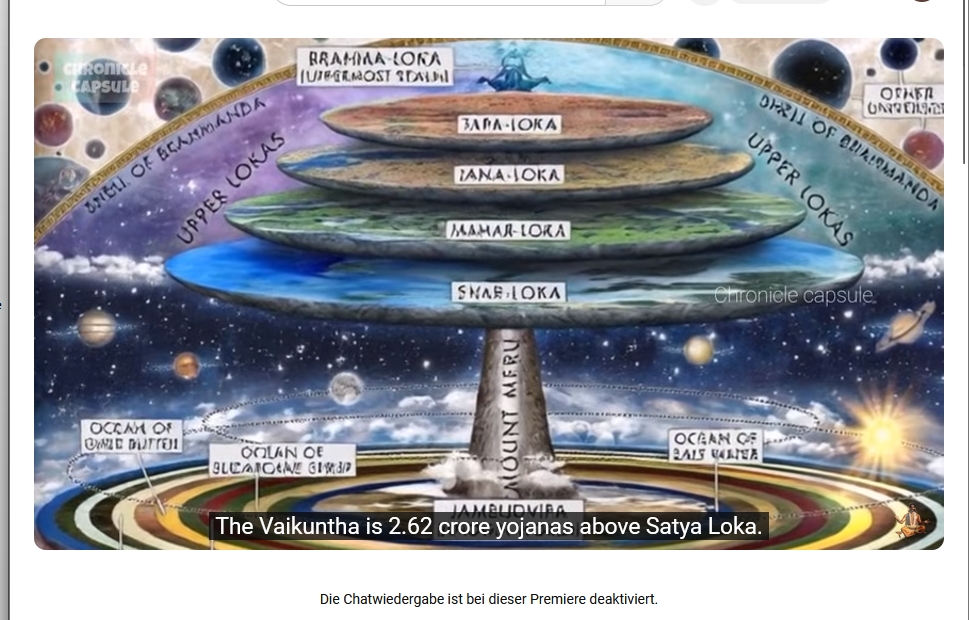
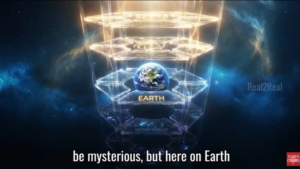
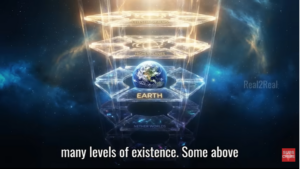
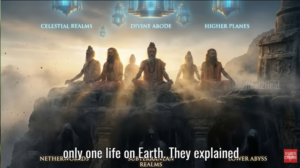
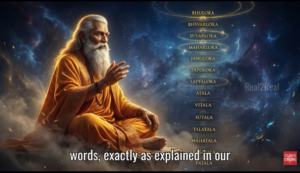
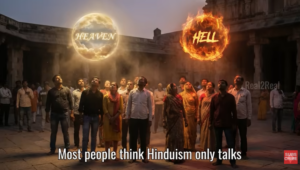
Most people think Hinduism only talks about Heaven and Hell (Naraka). But our scriptures actually describe 14 locas, 14 levels of existence in this Universe. These lokjas are written clearly in Vishnu Purana, Bhagwat Purana and Marandanda Purana. Today we will understand all 14 lokas in simple words, exactly as explained in our ancient texts. When we look at the sky at night, we feel the uUniverse is Huge. But according to Hinduism, this Universe is not just Space and Planets. It is divided into different Worlds called lokas. Our Rishis did not speak about only one life on Earth. They explained many levels of Existence. Some above us, some below us. In simple words, the Universe is like a multi-story building. Earth is in the middle. Let us go step by step starting from Earth then upwards and then downwards. What are lokas?
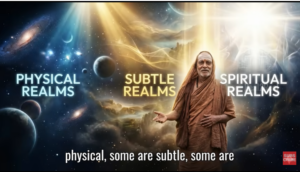
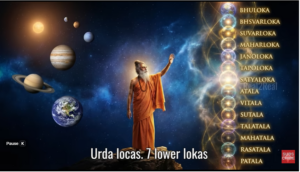
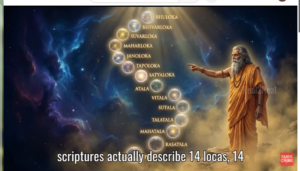
According to Bhagata Purana fifth Skanda and Vishnu Purana 2, the Universe has seven higher Locas or Udha Locas, seven lower locas or adhol locas. Total is equal to 14 locas. These are not Planets. These are levels of existence. Some lokas are physical, some are subtle, some are spiritual. Now let us see each one. Higher lokas above earth. Higher lokas are worlds above Earth. These seven realms are inhabited by Devas, Sages and Enlightened Beings, full of light, peace, spiritual knowledge and advanced energy. Number one, Bhulok or Earth World. Bhuok is the middle world where Human Beings live. According to Vishnu Purana 27, Earth is the place where all types of life exist. Humans, Animals, Birds,
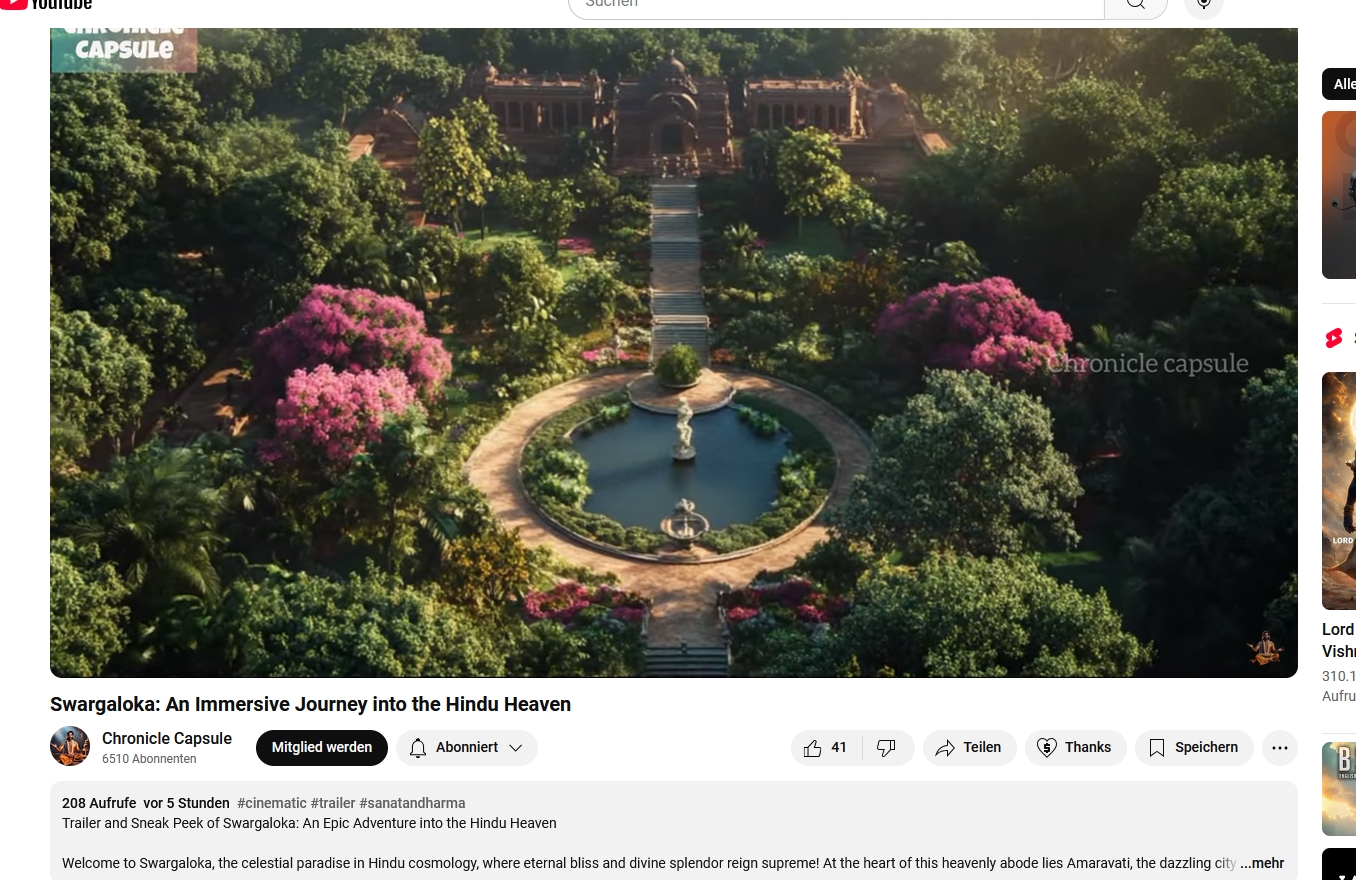
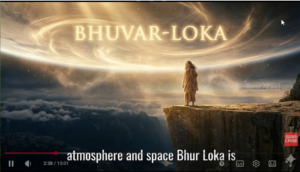
Plants, Insects and many unseen Beings. Hindu scriptures say this is the most mportant Loca because here we can do Karma. Whatever actions we do, good or bad, create results for our future. Bhulok is the only world where we can change our destiny through effort, learning and spiritual growth. Even gods take birth on earth when they want to experience Karma or guide Humanity. For number two, Bhuva Loca, region of
atmosphere and space. Burva Loca is the world just above Earth between Earth and the higher heavens. According to
Bhagwata Purana 3.2.12, this loca is full of subtle energy
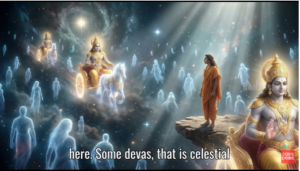
called prana which supports all life on Earth. Many spirits who are waiting to take birth again exist here. Some Devas, that are celestial beings, also travel
through this region. It is like a bridge between earth and the higher locas. Scriptures describe it as a space of light, movement and energy. Interestingly, modern science also finds
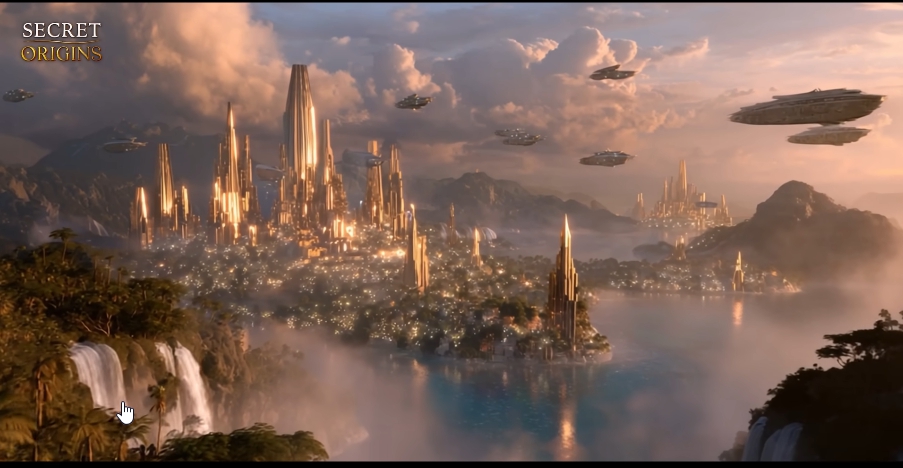
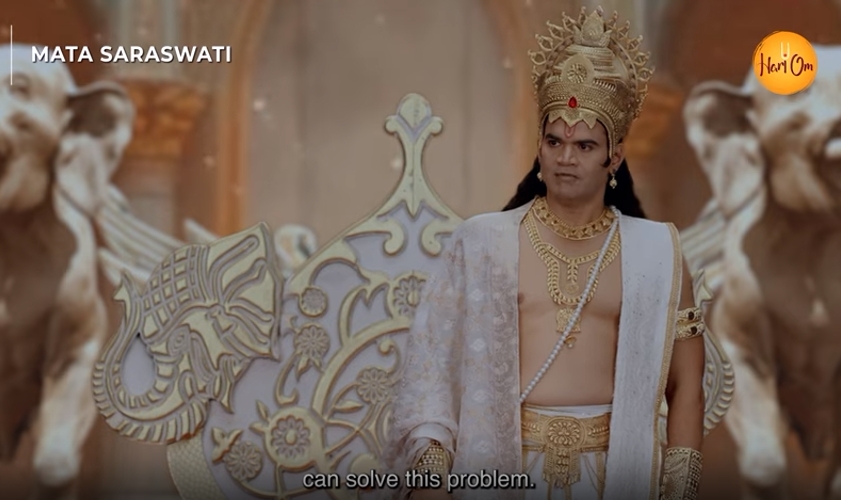
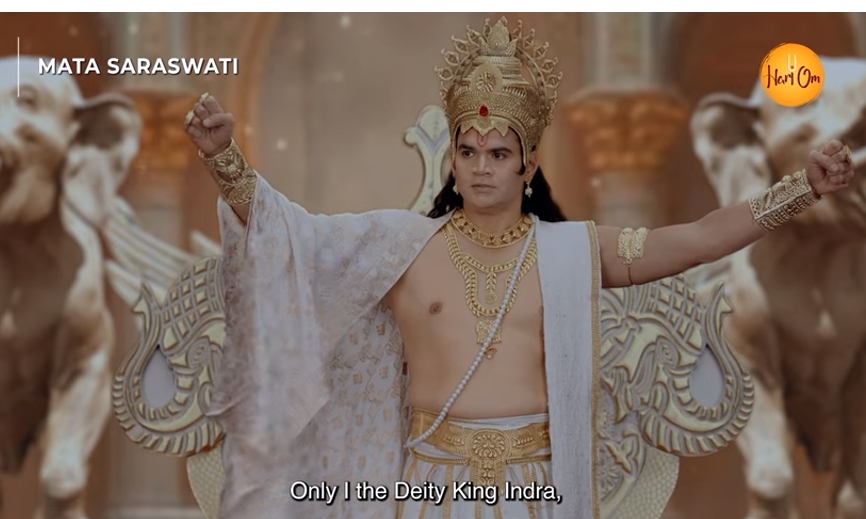
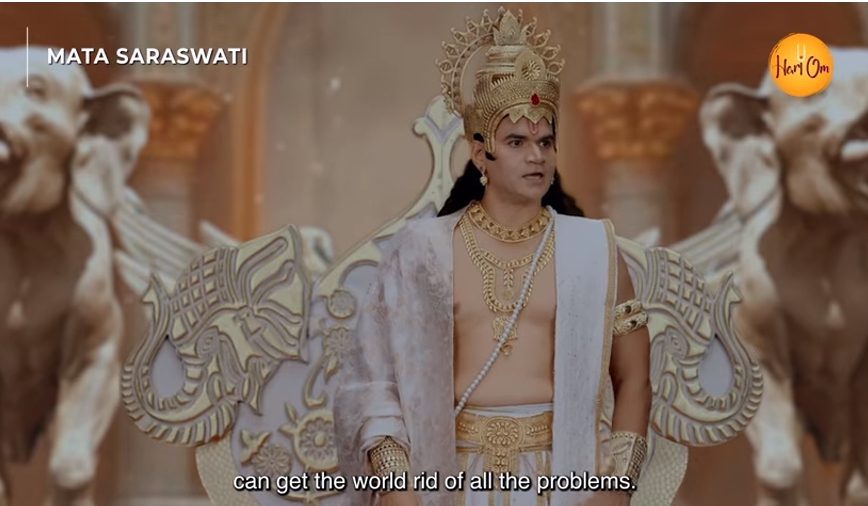
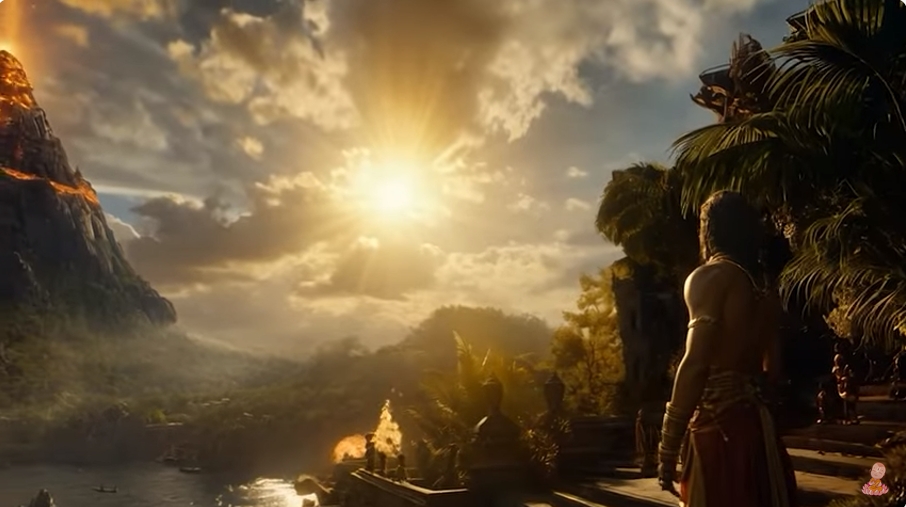
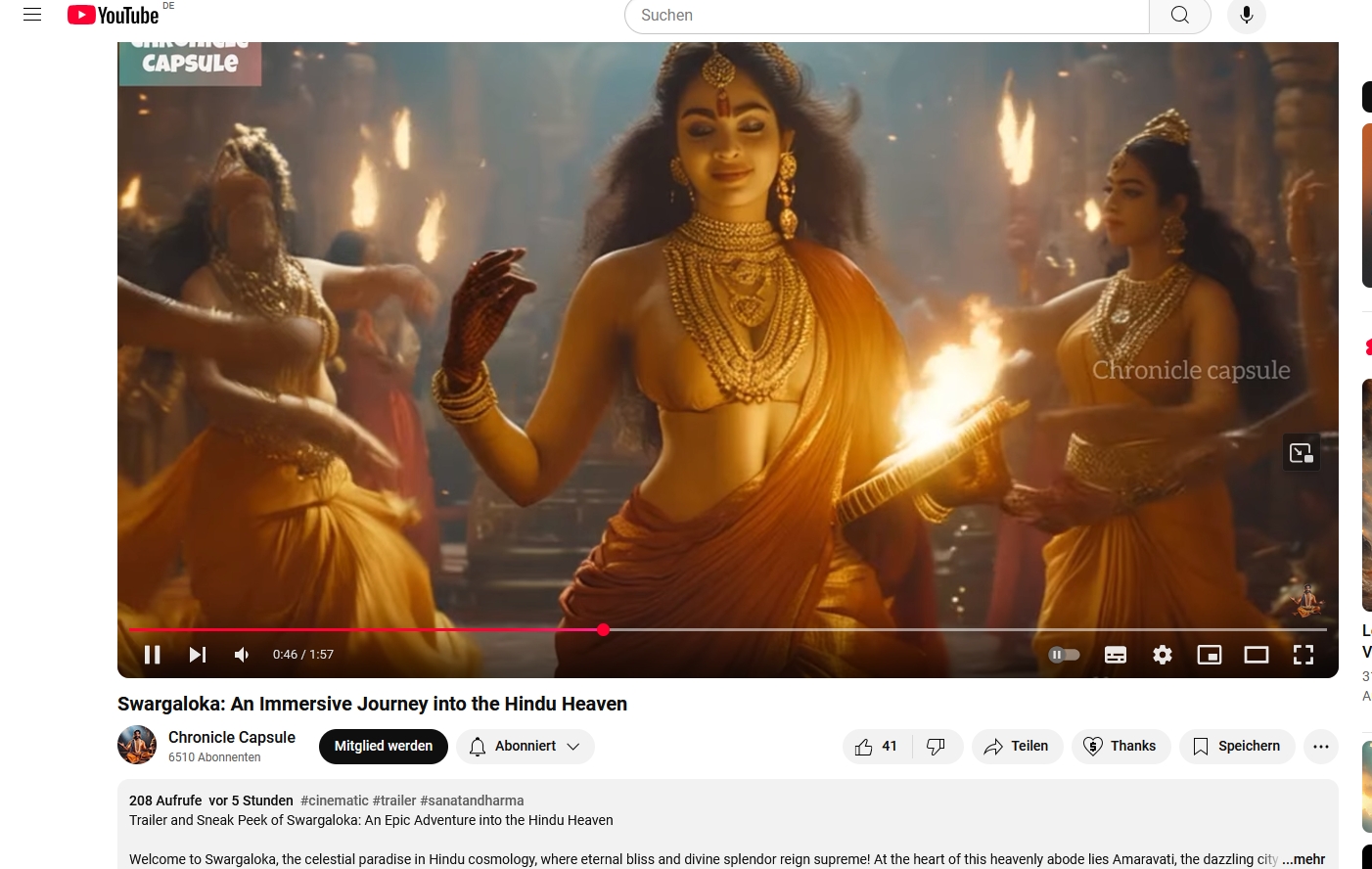
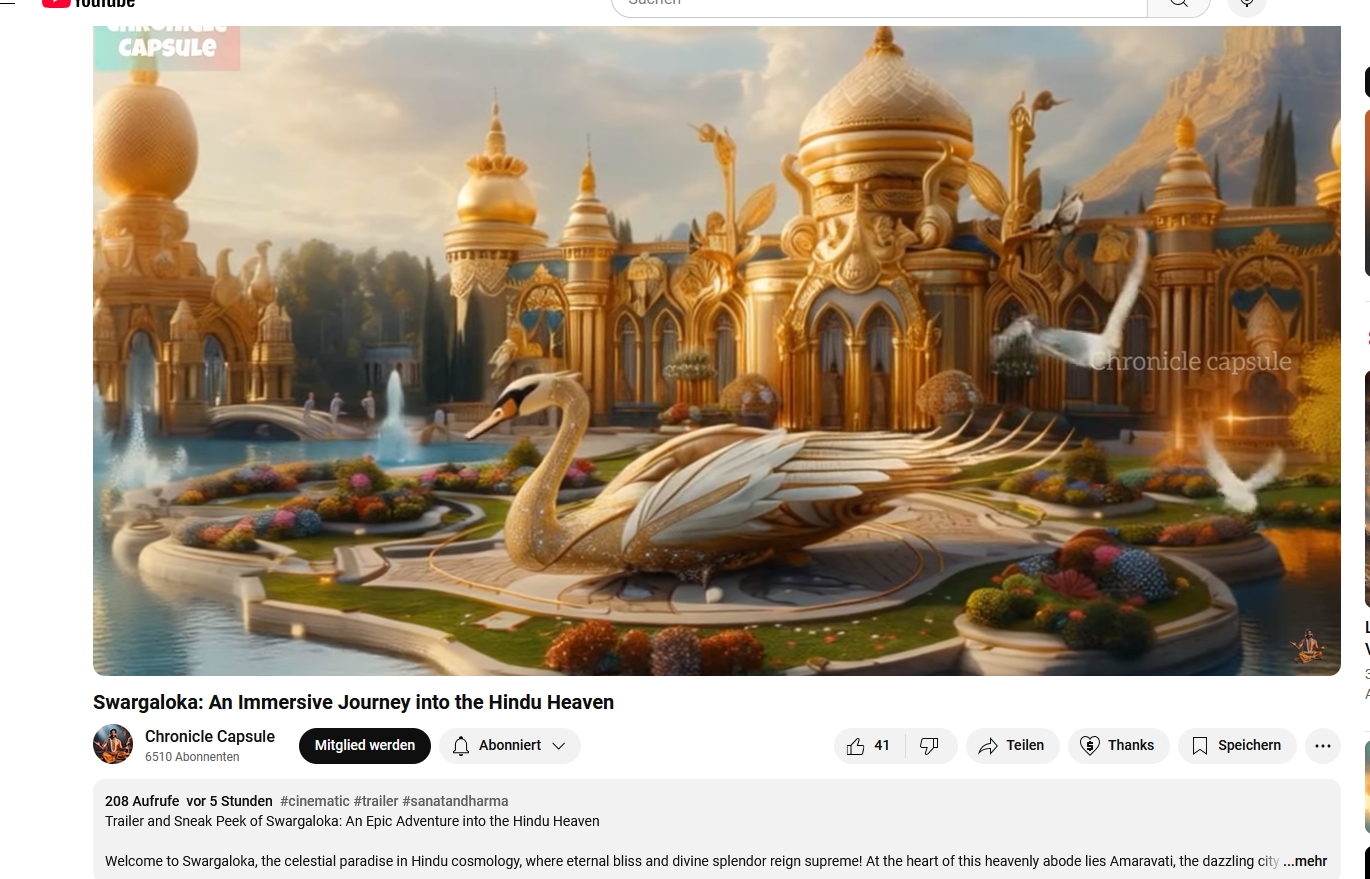
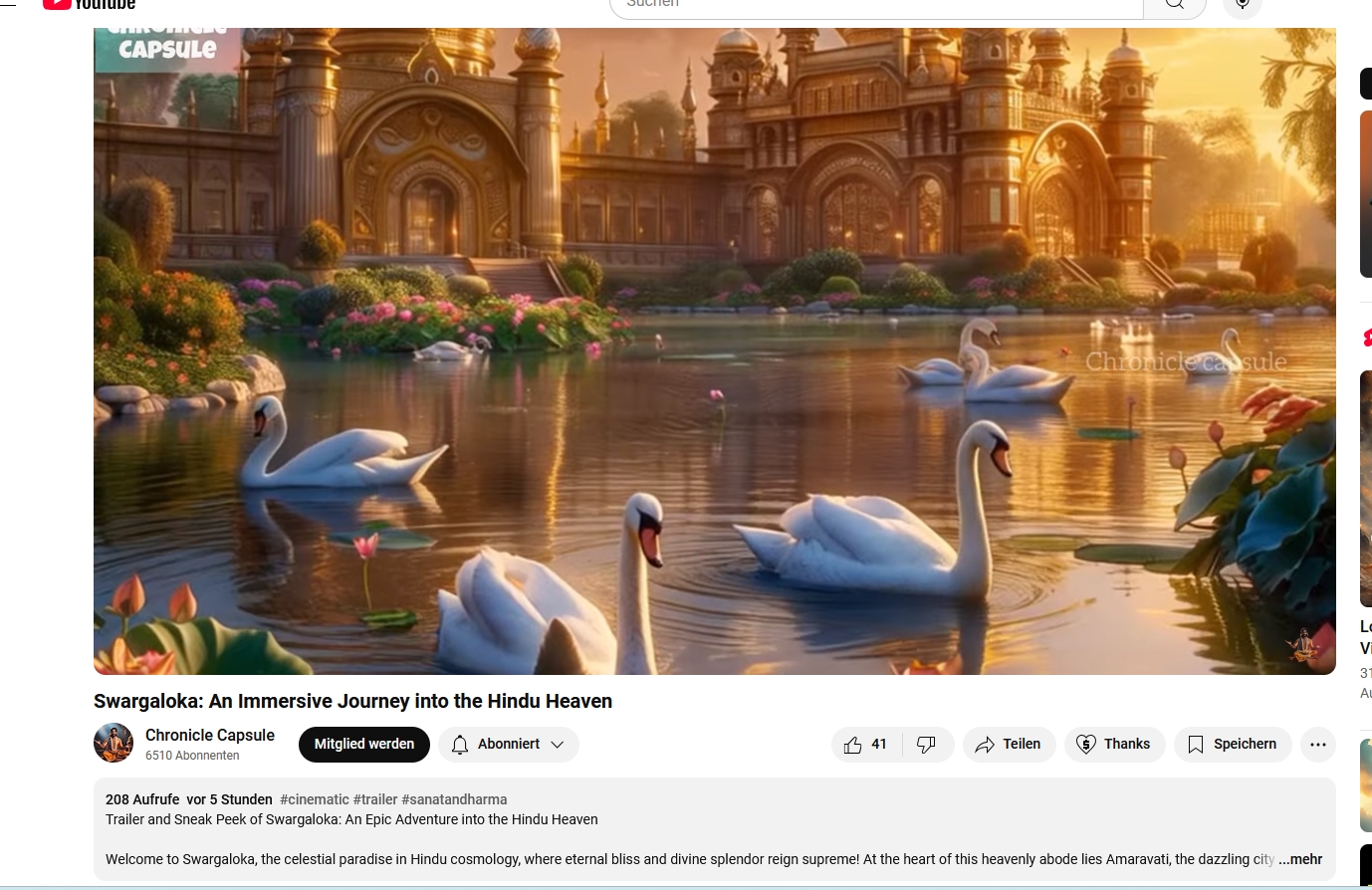
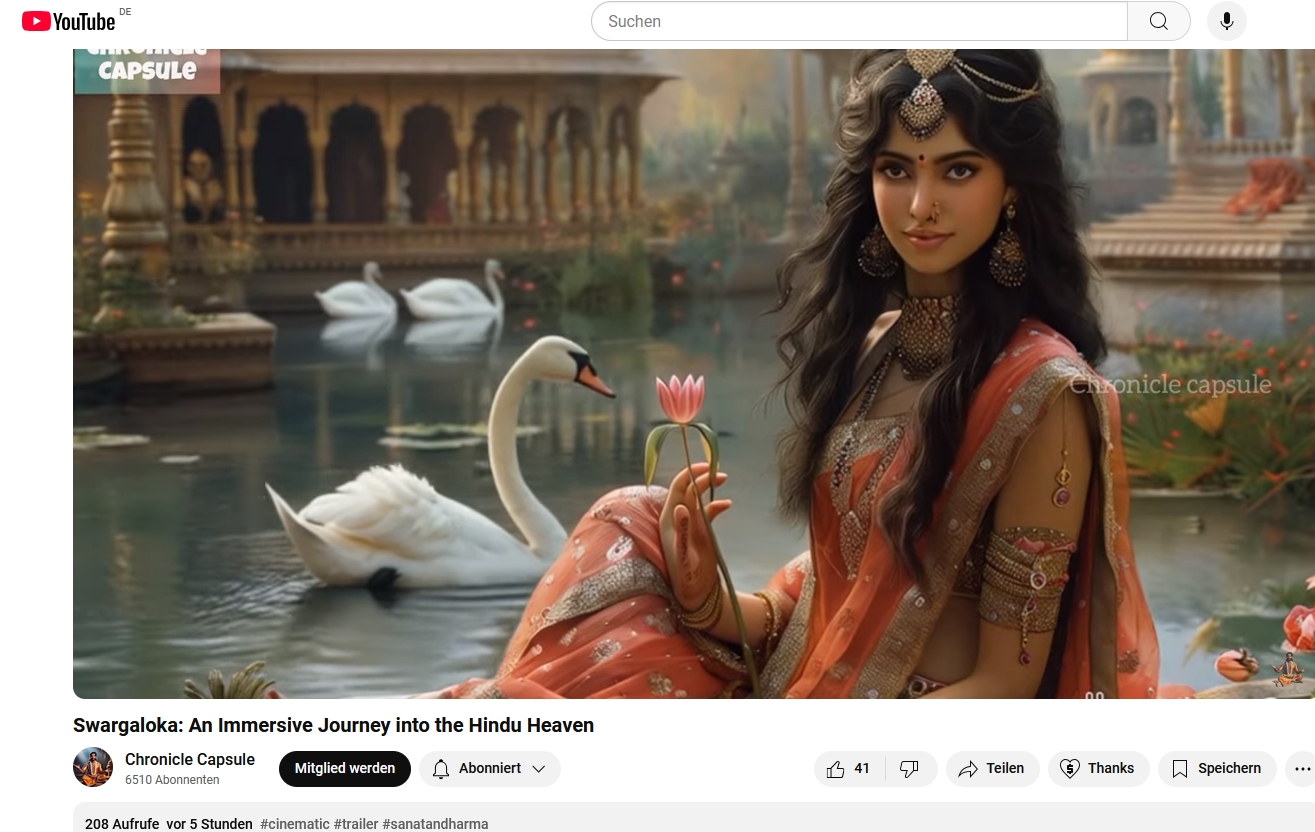
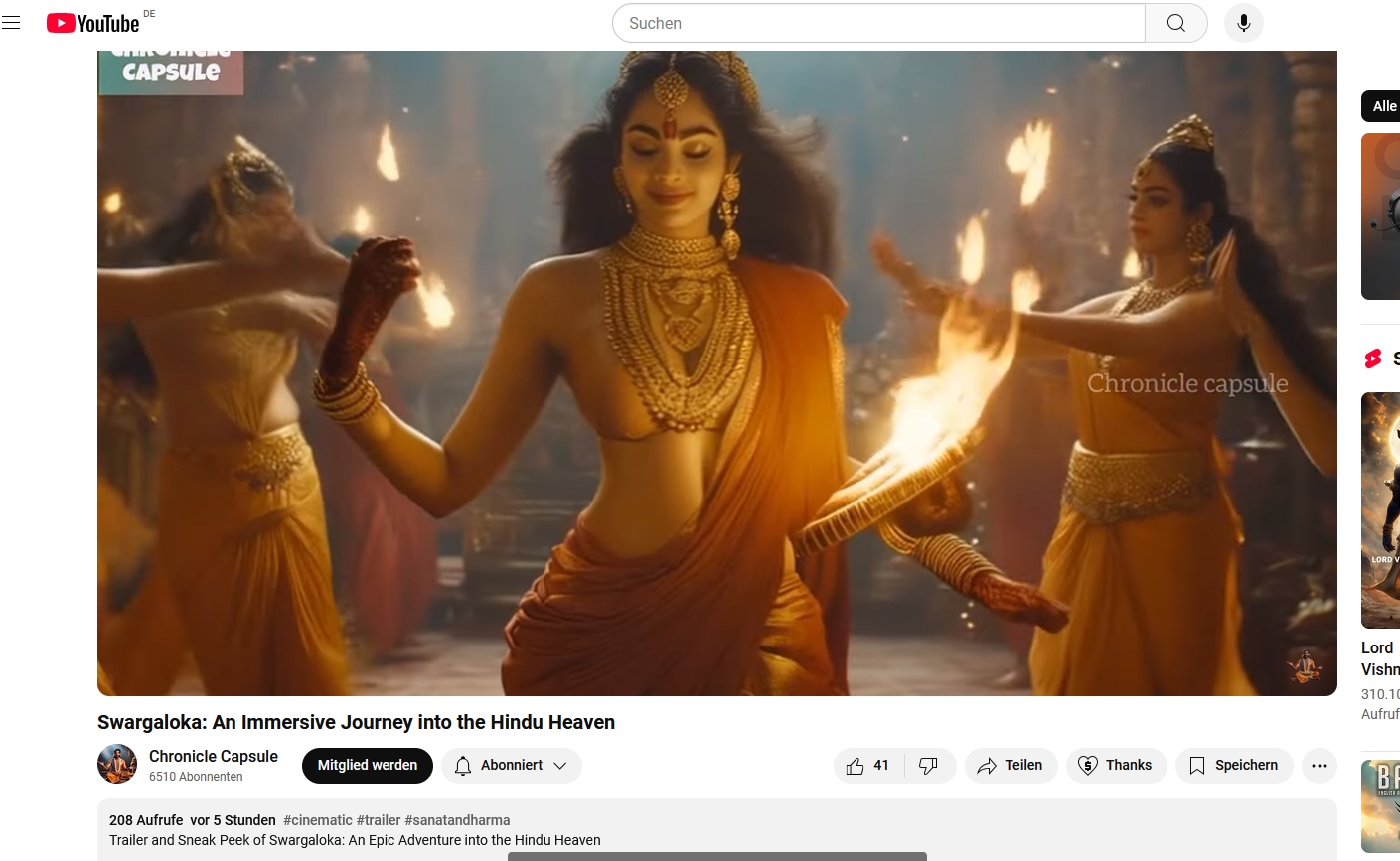
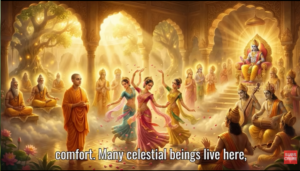
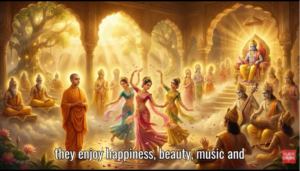
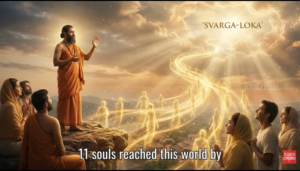
space full of invisible energy, radiation and movement showing an amazing similarity with Bhuva loca. For number three, Swarga, heaven. Swwarga is the heaven above earth ruled by Indra, the king of Devas. According to Rig Vida and Bhagwat Purana 11.24.11, Souls reach this world by doing good karma on earth. Here they enjoy happiness, beauty, music and comfort.
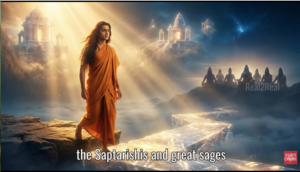
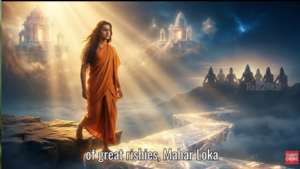
Many celestial beings live here, including Indra, maruts, absuras, gandharvas, Devatas and great Sages who still have some desires. It is a bright and joyful world, full of light and celebration. But swarga is temporary. Once the Soul´s punyas, that is merit, ends, it returns to earth. This teaches us that temporary pleasures cannot give permanent peace. For number four, Maharloa, home of great Rishis. Maharloka is a higher world where the Sapta Rishis and Great Sages like Brigu live.
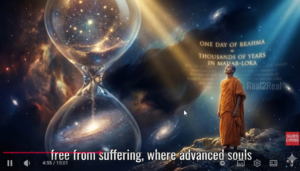
According to Vishnu Purana 2.7 and Bhagavatap Purana 2.2.26, time here moves much slower than on earth. The purana explains that one day of Brahma is equal to thousands of years
in Maharloka. It is a peaceful world free from suffering where advanced souls spend their time in meditation, study and spiritual knowledge. People in Maharloka
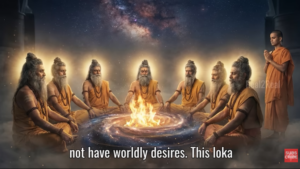
are highly enlightened and do not have worldly desires. This loka is an example of how higher spiritual levels give long
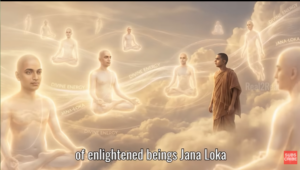
lasting peace and wisdom. For number five, Jana loka, world of enlightened beings. Jana loka is a higher world above Maharloka.
According to Bhagavatapurana 2.2.27, it is home to advanced souls who have almost no worldly desires. These beings
have subtle light bodies instead of heavy physical forms. They live in a state of happiness, peace and spiritual
knowledge. Janaloka is quiet and full of positive energy where residents focus on meditation and understanding the
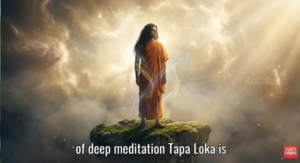
Universe. Souls here are very close to liberation moksha and do not return to lower worlds unless they choose. (!!!)This Loka shows how higher spiritual levels bring eternal knowledge and bliss. For number six, Tapaloka, world of deep meditation. Tapaloka is a higher world where Souls live in continuous meditation and penance. According to Vishnu Purana These beings are called Tapaloka residents because their spiritual heat and energy are very strong. They focus completely on spiritual growth and preparing for moksha, liberation from the cycle of birth and death. Life here is calm, peaceful, and free from worldly distractions. The souls of tapaloka do
not interfere with the lower worlds or Humans on Earth. This loka teaches that deep meditation and self-discipline are
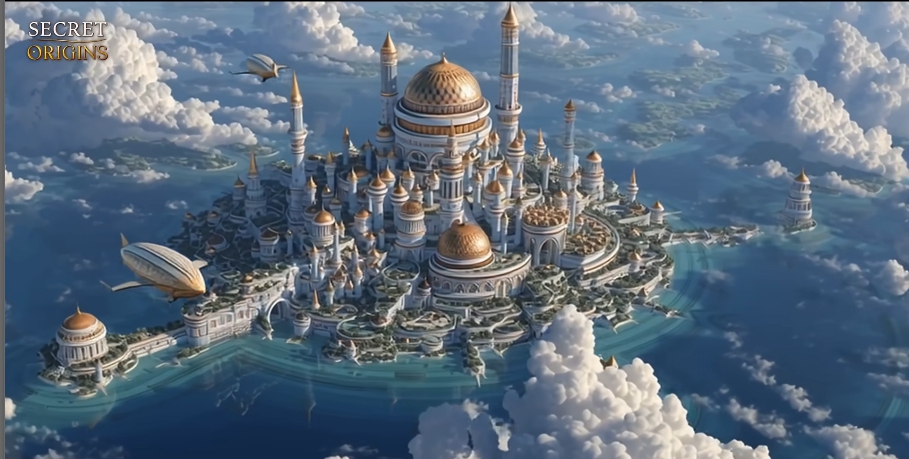
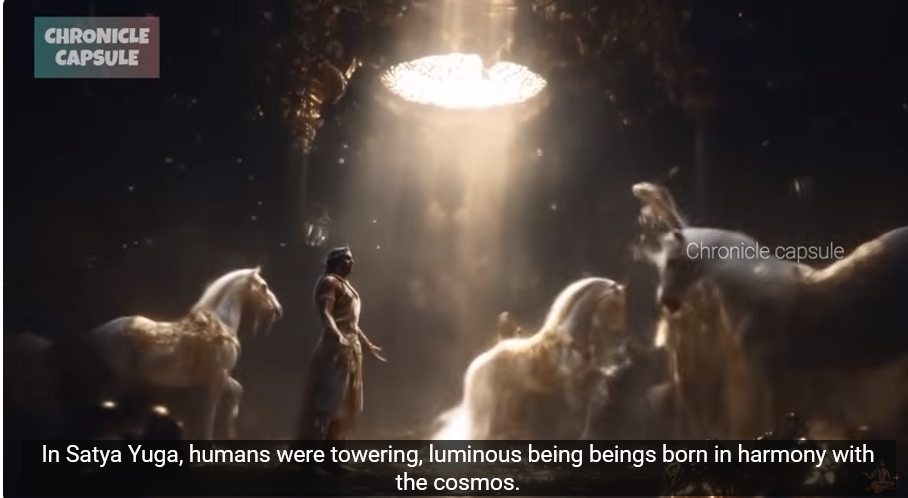
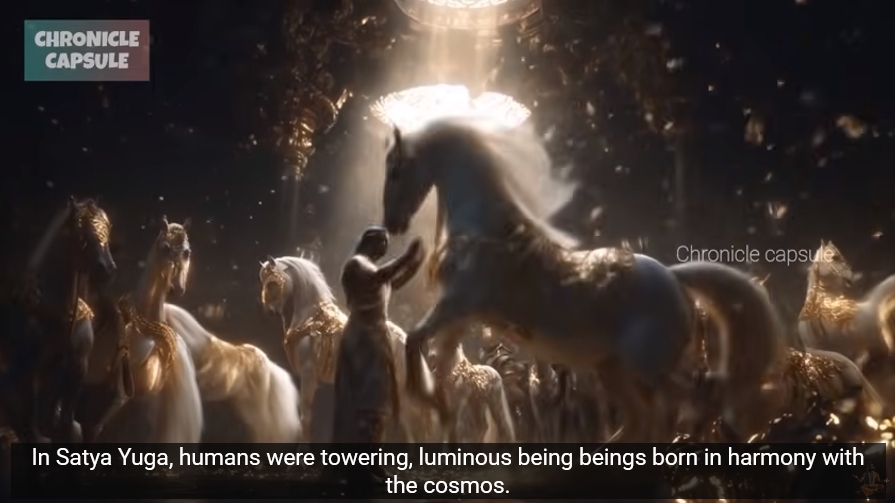
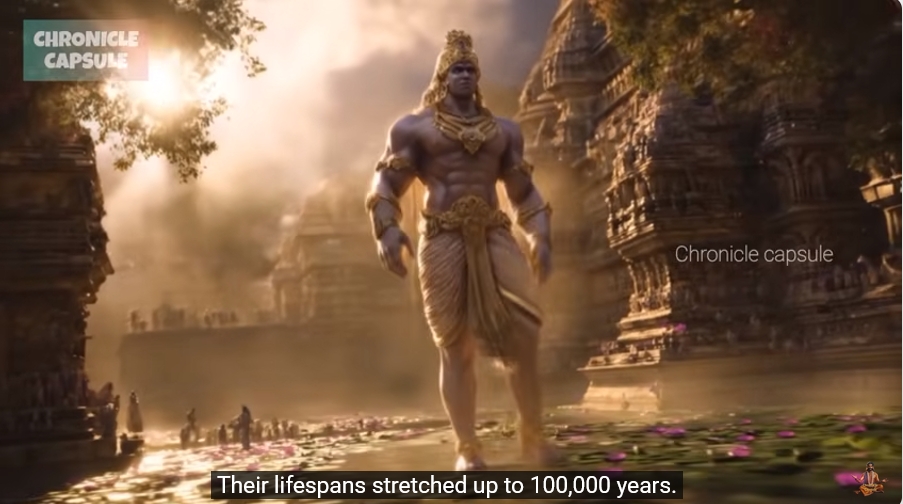
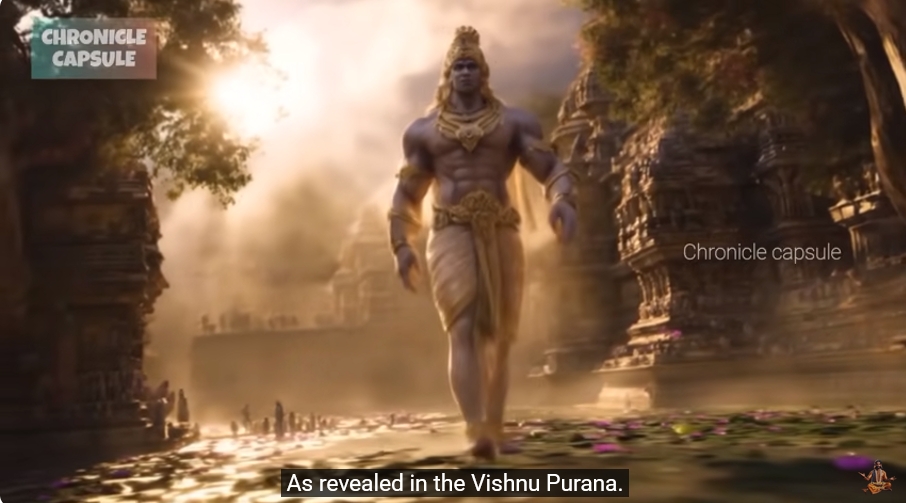
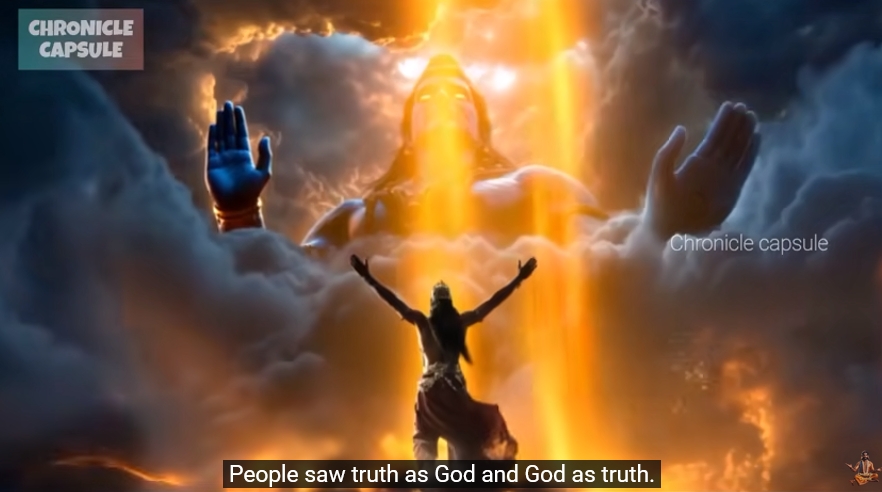
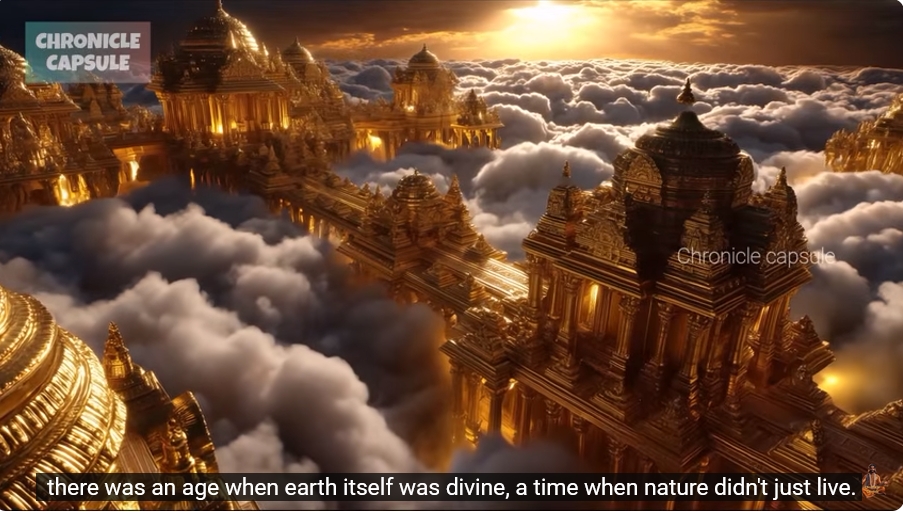
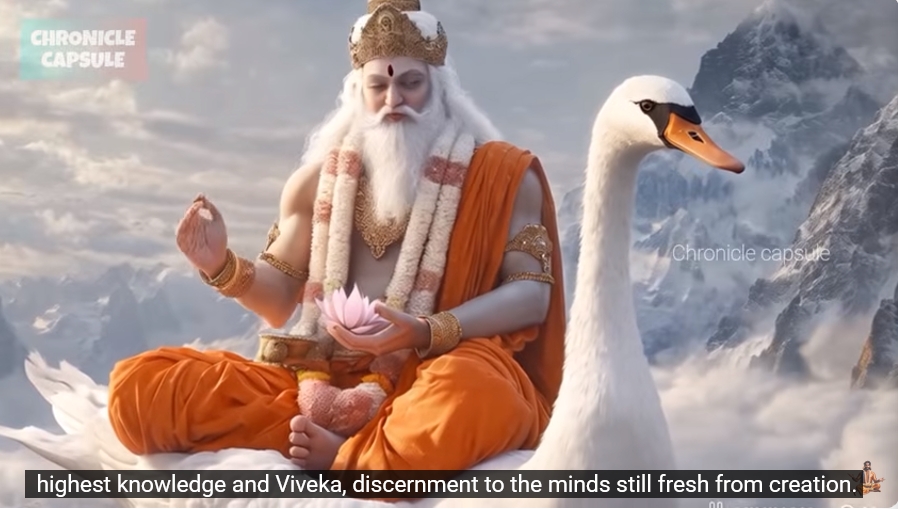
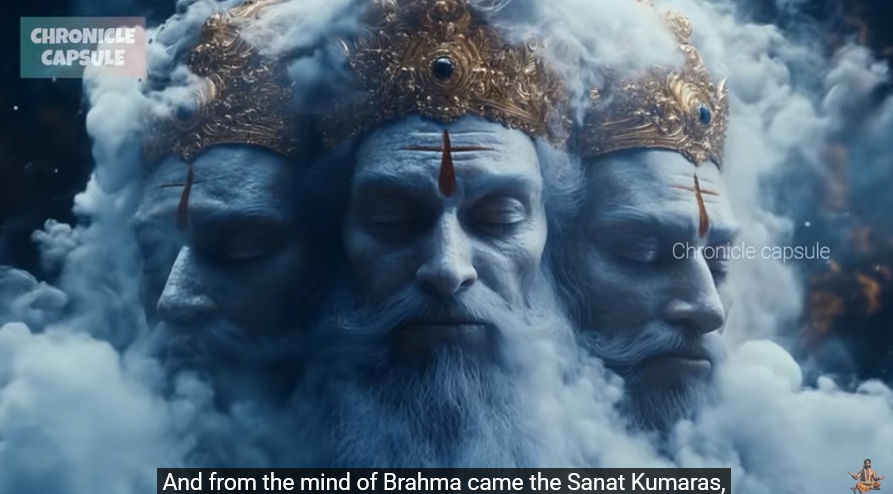
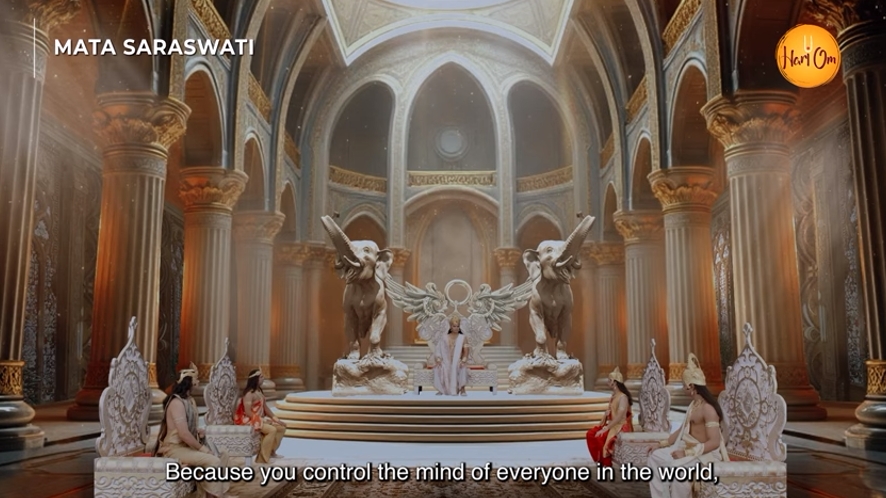
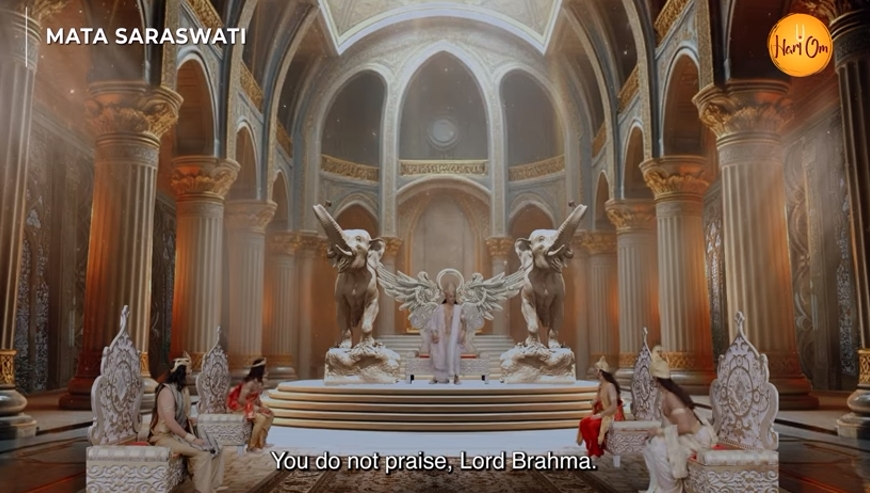
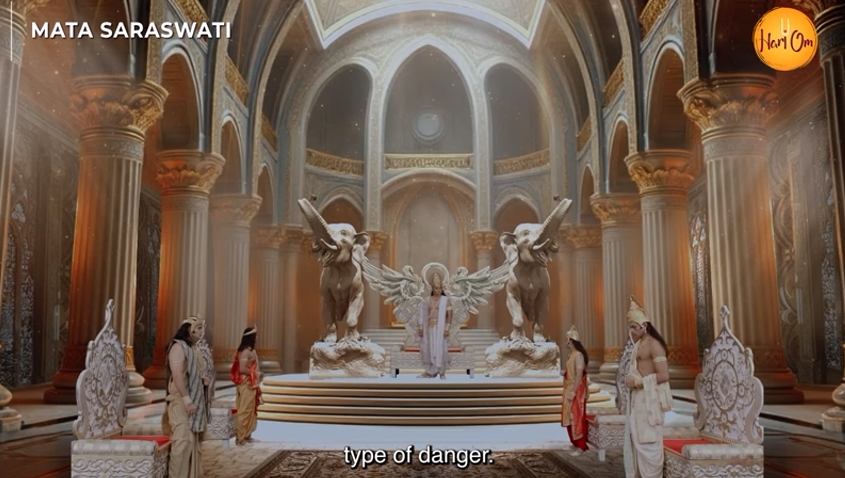
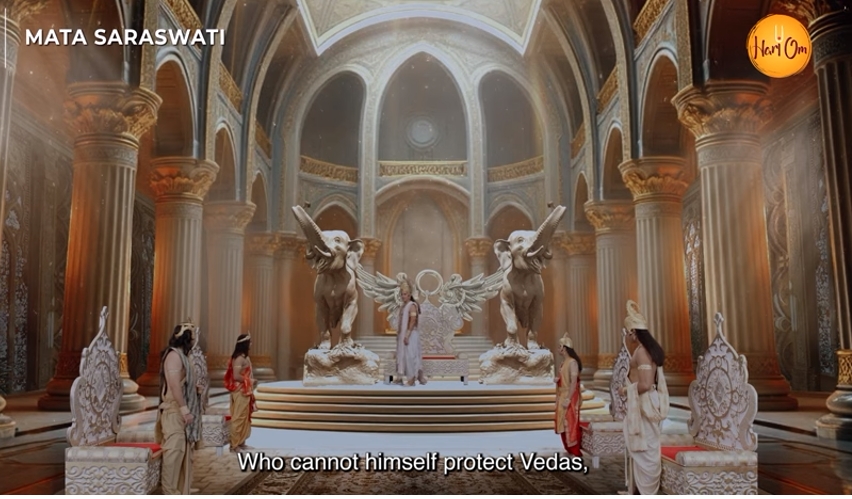
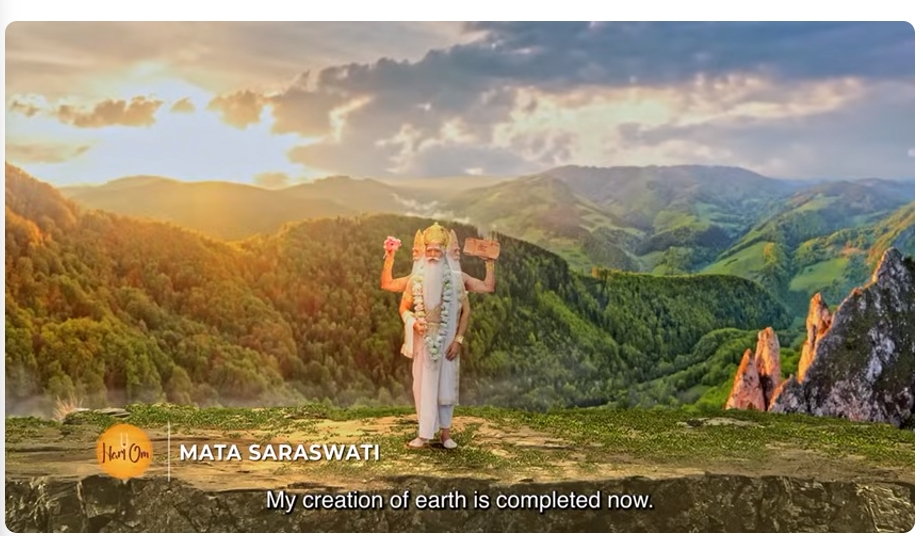
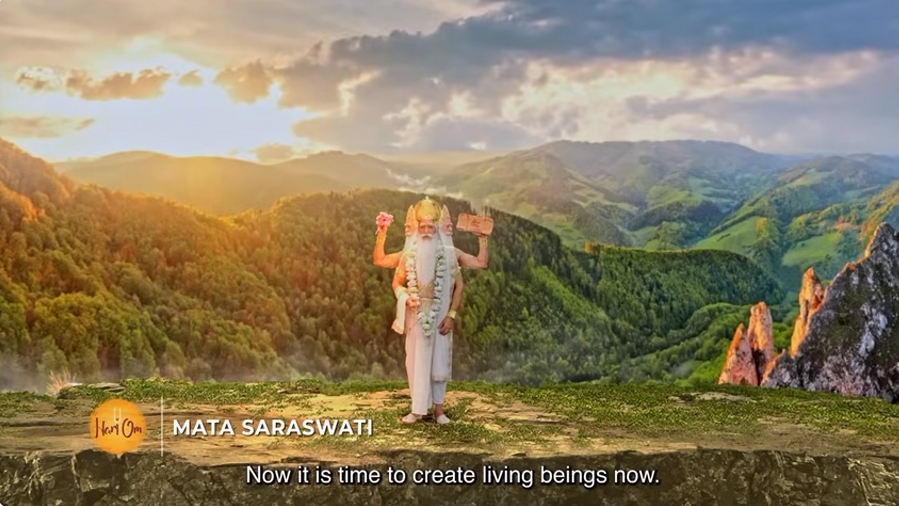
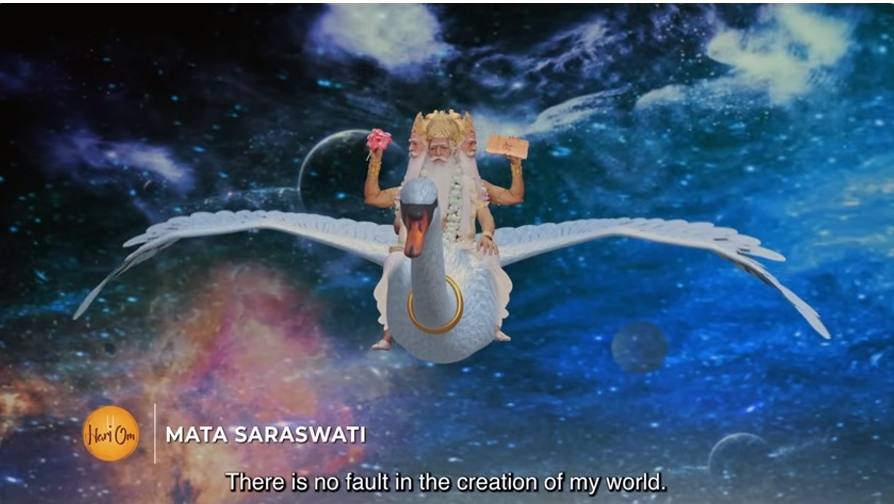
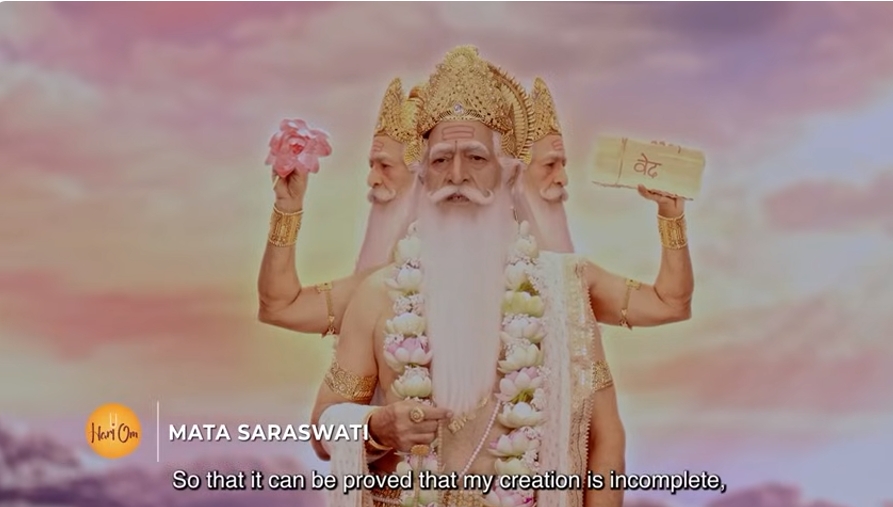
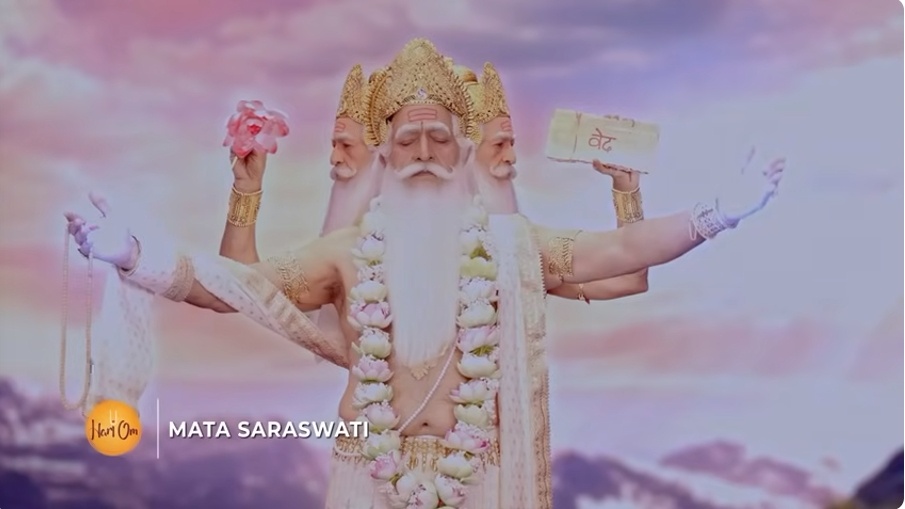
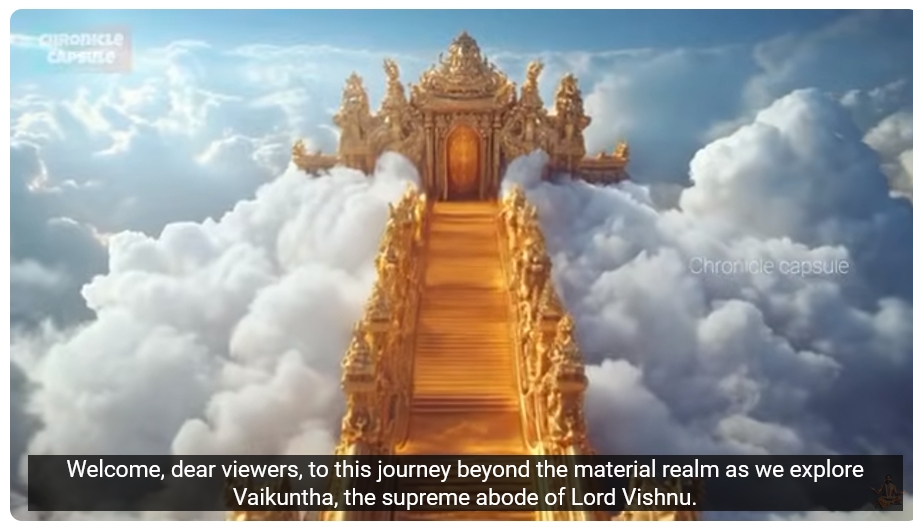
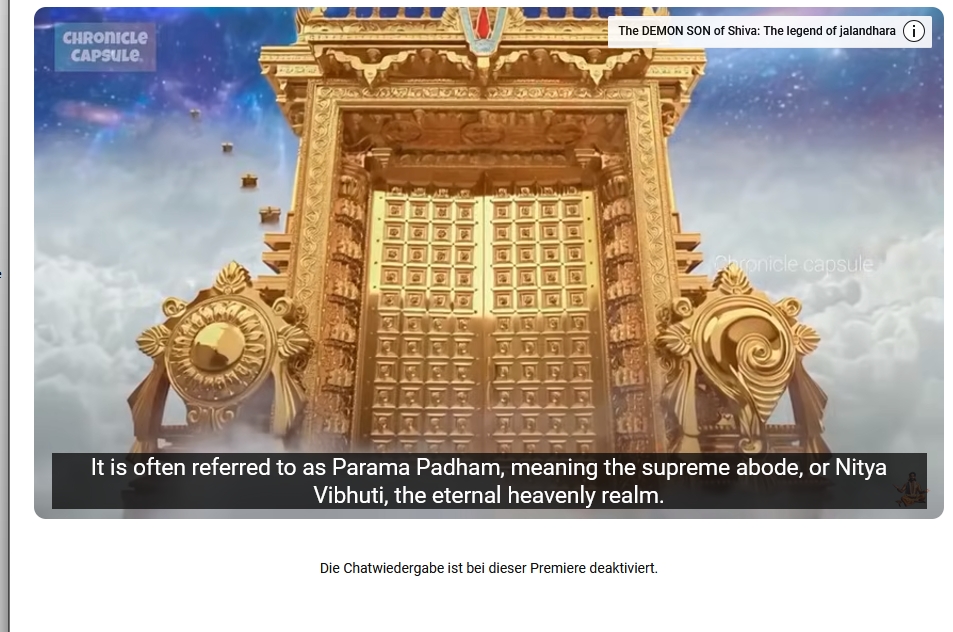
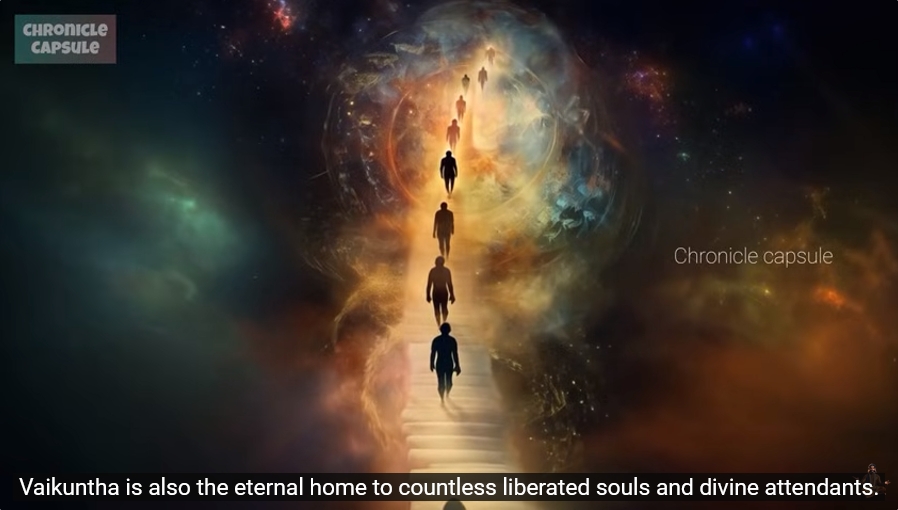
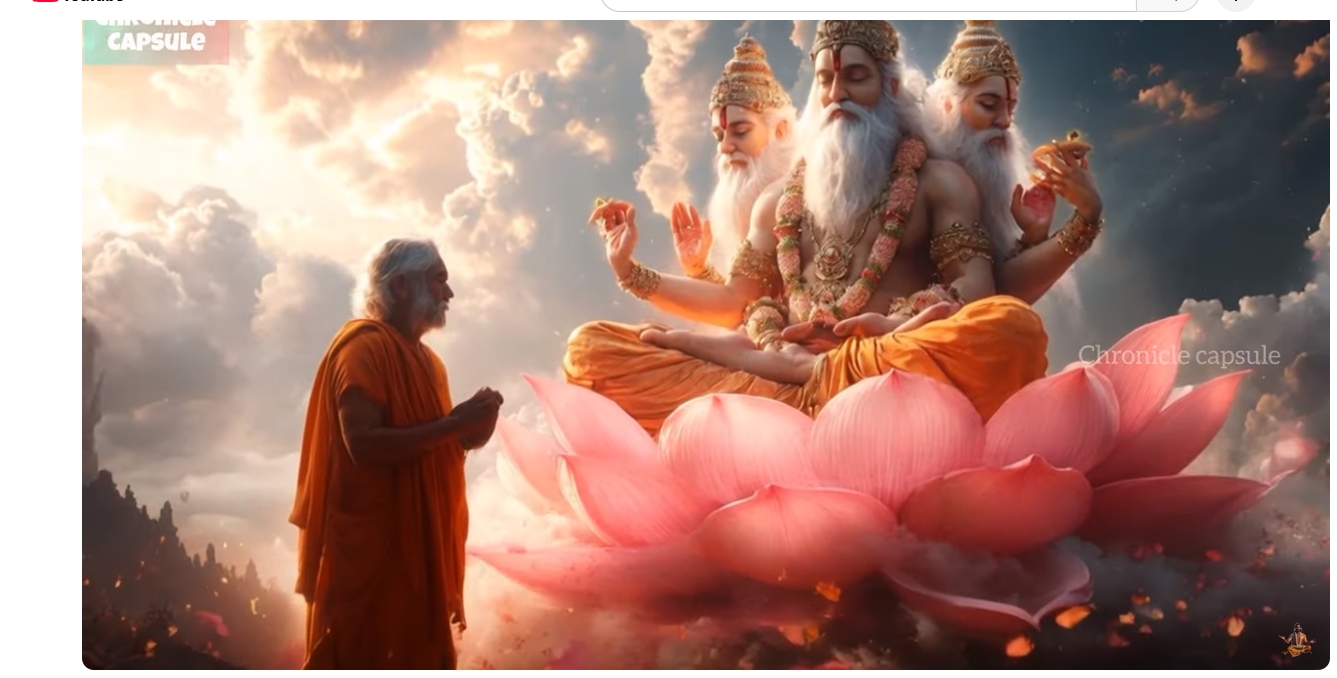
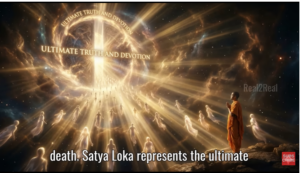
necessary for reaching higher spiritual levels and ultimate liberation. For number seven, Satyaloka, Brahmaloka, the highest World in the Universe. Satyaloka also called Brahmaloka is the
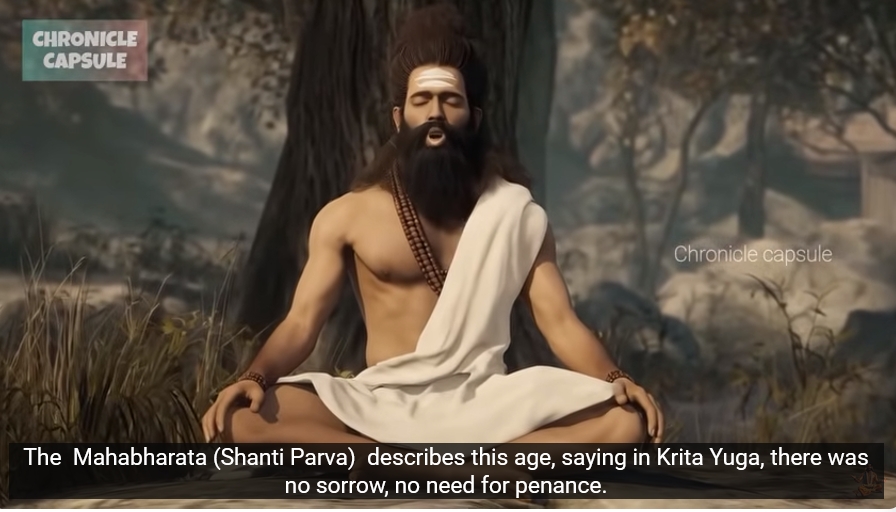
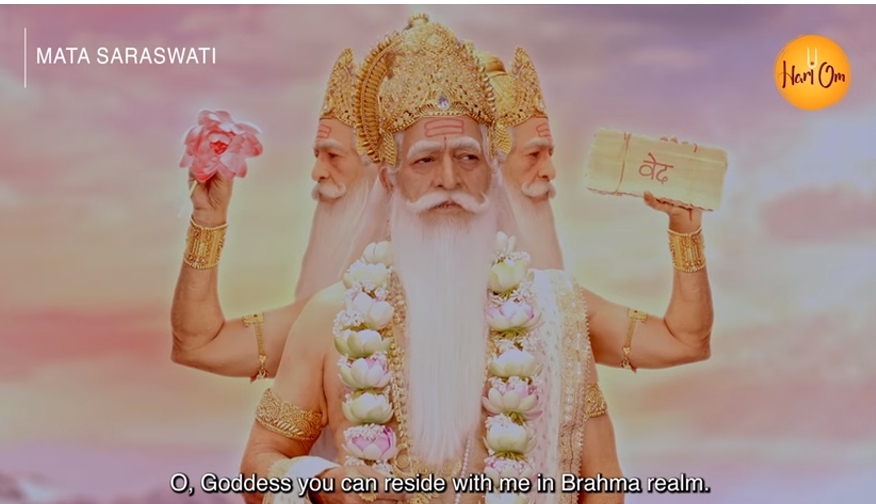
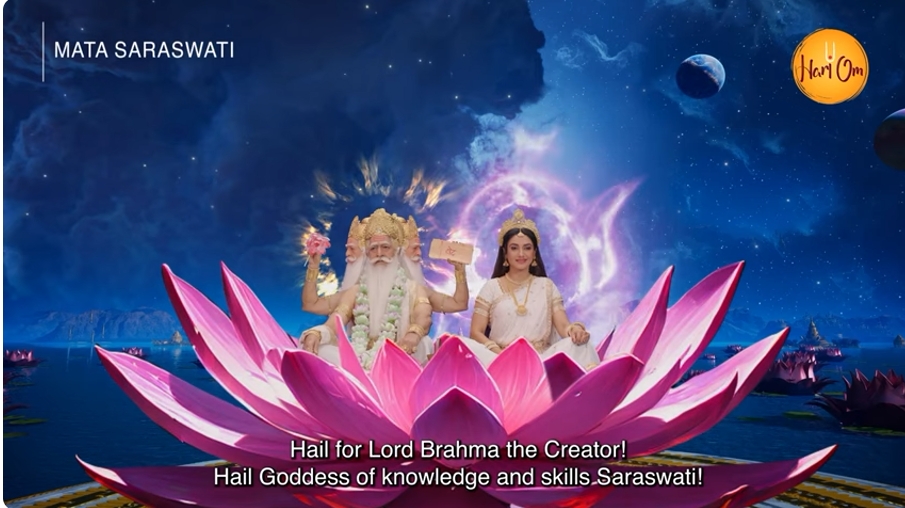
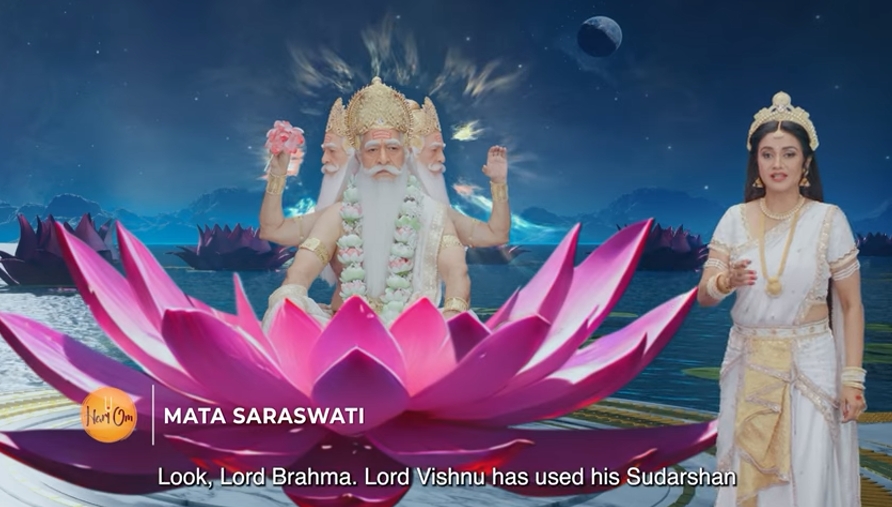
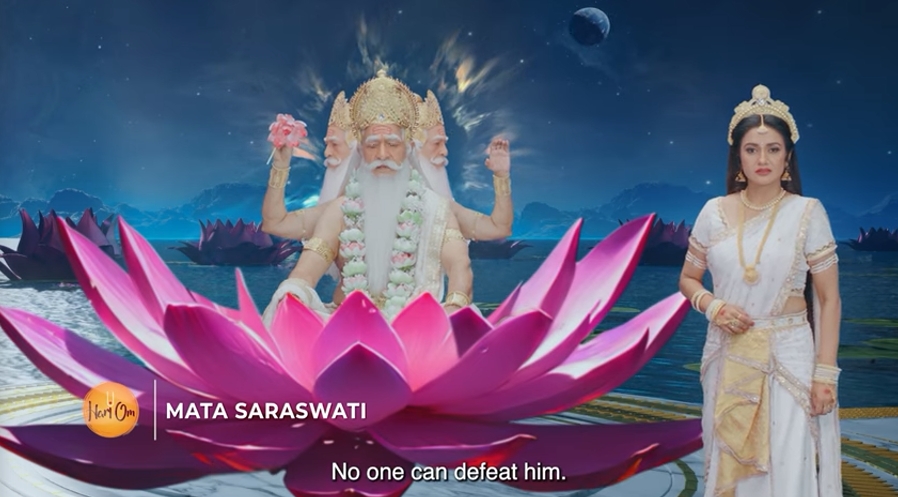
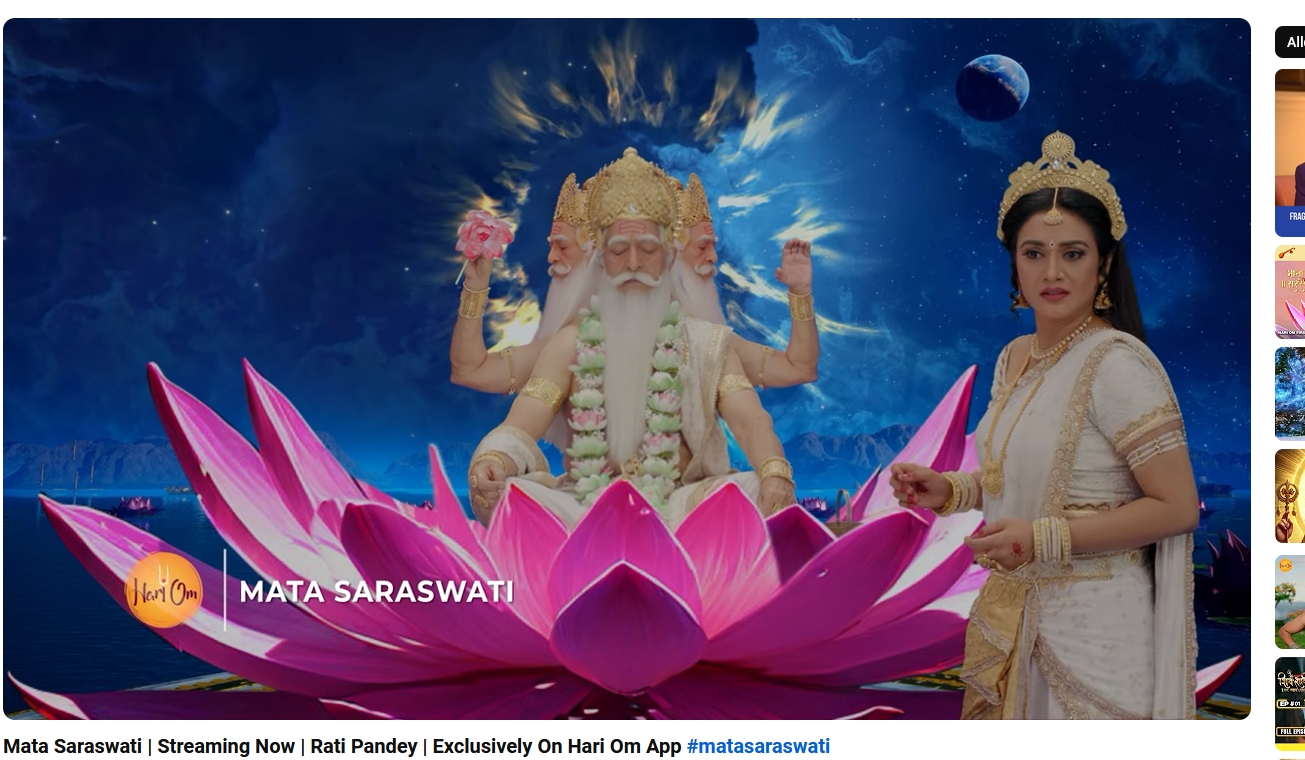
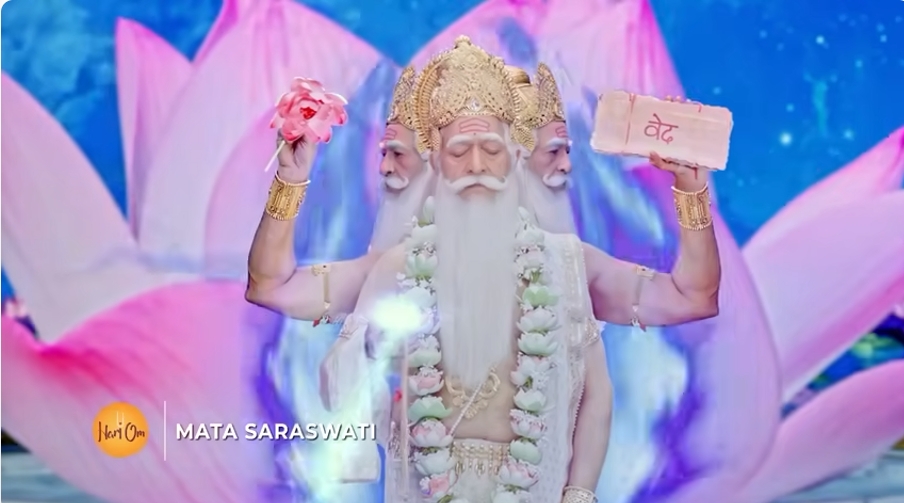
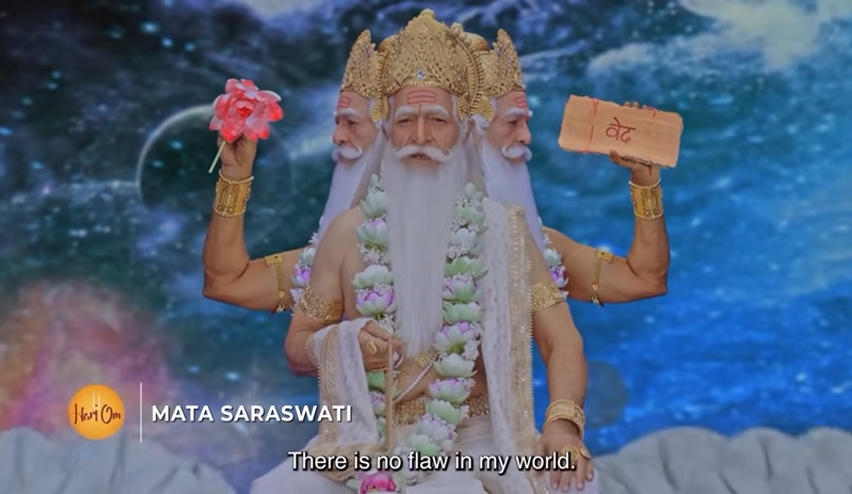
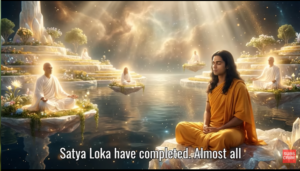
highest world in the Universe. According to Bhagavata Purana 2.2.28 and Mahabarata Shanti Parva, Lord Brahma the Creator of the Universe lives here. This loka is full of purity, truth and
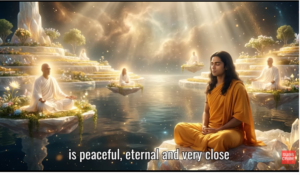
almost no sorrow. Souls that reach Satyaloka have completed almost all spiritual work and rarely return to Earth unless
they choose to. Life here is peaceful, eternal and very close to moksha, liberation from birth and death. Sathyaloka represents the ultimate spiritual level showing that with complete truth, knowledge and devotion a Soul can achieve the highest state of existence.
Lower lokas, below earth. Lower lokas are worlds below earth. According to bhagat purana 5.24, they are not hells but different realms where beings live with
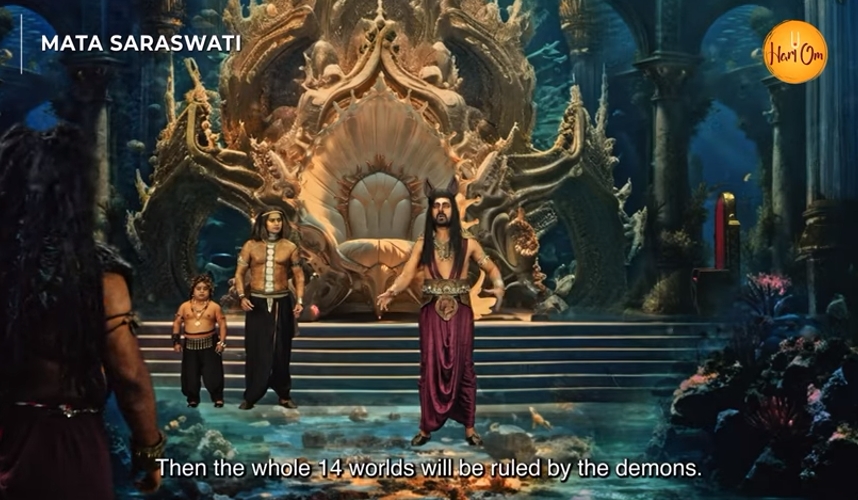
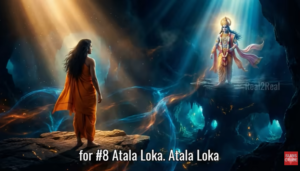
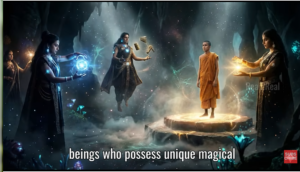
unique experiences and Powers. For number eight, Atalaloka. Atalaloka is a lower world ruled by Bali, the son of
the architect Maya. According to Bhagwat Purana 5.24, 24. This realm is inhabited by powerful beings who possess unique
magical abilities. These beings are neither good nor bad. They simply exist in a way that’s very different from humans. Atala loka showcases a diverse range of existence and highlights the
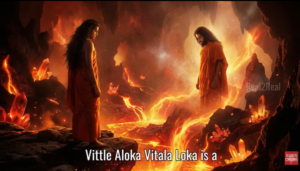
variety of life in different realms. For number nine, Vitilaloka. Vitilaloka is a lower world where a special fire energy called hara agni flows continuously. According to Bhagwat
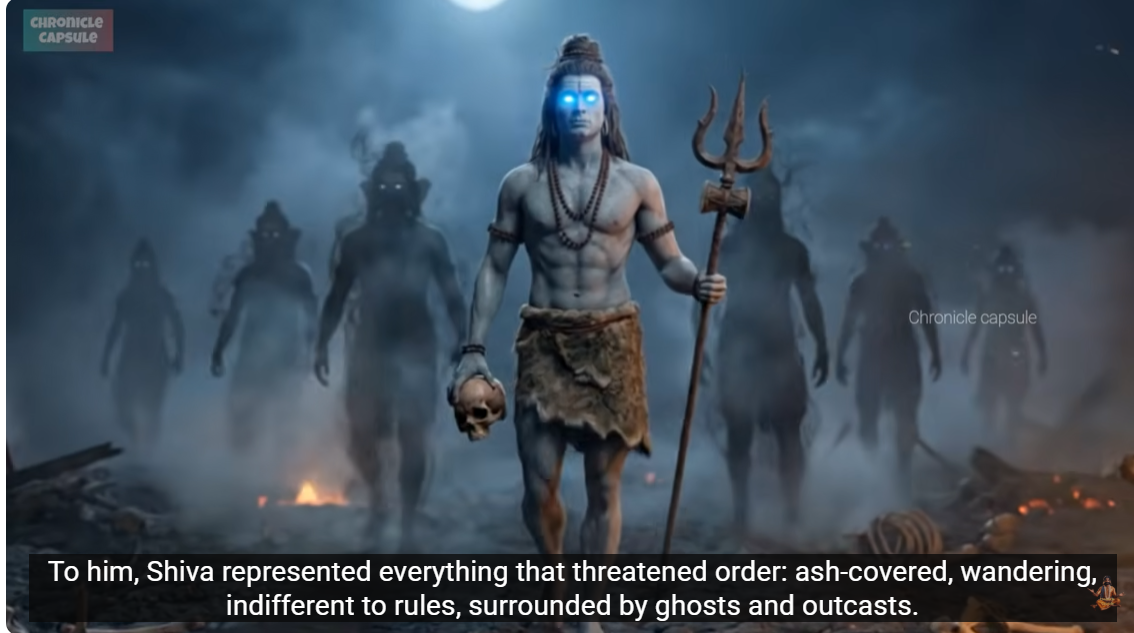
Purana 5.24, Lord Shiva protects this loca in a
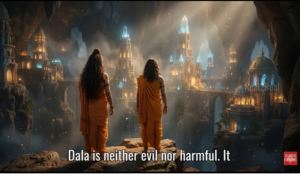
unique form, keeping its energy balanced. The realm is said to contain strange minerals, underground rivers, and powerful energies that are not found on Earth. Vitila is inhabited by beings who live in this intense energy environment. This loka is neither evil, nor harmful. It simply has a different
nature from the human world. It shows the diversity of life and energy in the lower realms of the universe. For number
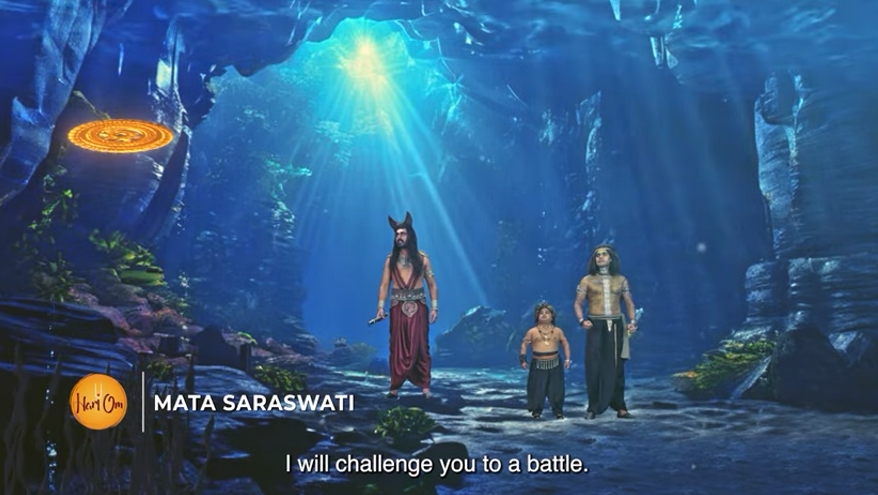
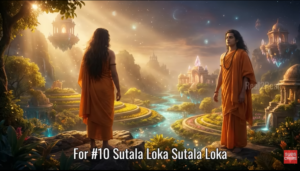
10, Sutalaloka. Sutalaloka is the lower world ruled by king Mahabali. After the vamina avatar of Lord Vishnu,
Mahabali was blessed and given Sutala to rule. According to Bhagatapurana 52418, this locka is even more beautiful than
Swarga, Heaven. It has no fear, hunger or suffering. The world is peaceful, prosperous and full of comfort. Residents live happily enjoying the blessings of Vishnu. Sutala shows that lower lokas are not always negative. They can be wonderful and harmonious.
This loka teaches that happiness and beauty exist in different forms across the universe beyond earth or heaven. For
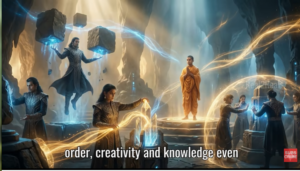
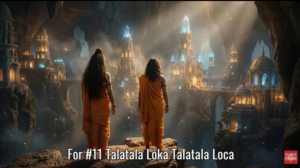
number 11, Talata, Talatala loka. Talatalaloka is a lower world ruled by Maya, the architect of the Assuras. According to
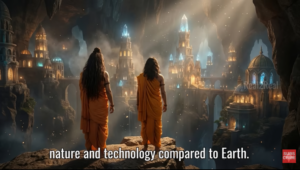
Bhagavatapurana 524, this loka is famous for its underground cities, magical buildings, and advanced architecture, created by highly skilled beings. The residents are very intelligent and use
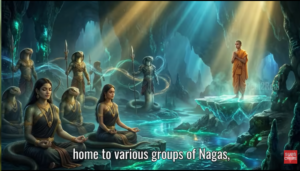
special powers for construction, energy, and protection. Talatala is neither evil nor harmful. It is simply a world with a different nature and technology compared to Earth. It shows that lower locas can have order, creativity and knowledge even though they are far from human life. This loka highlights the diversity of life in the Universe. For number 12, Mahhatala loka. Mahhatal loka is a lower
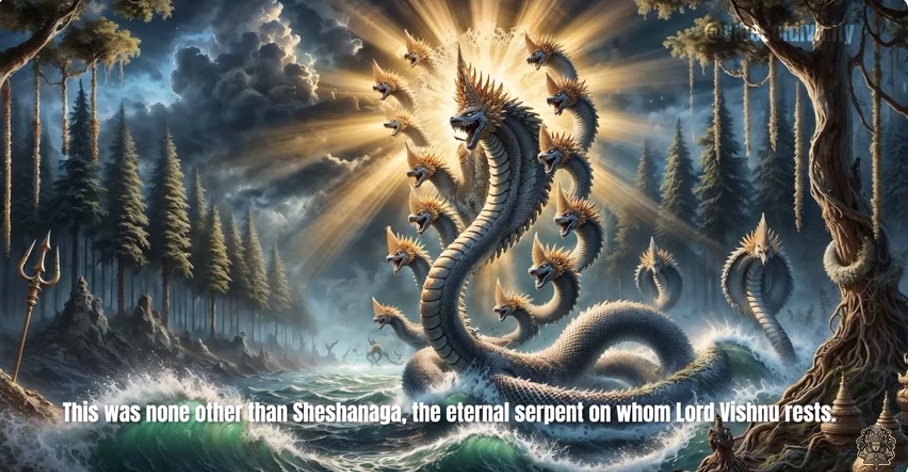
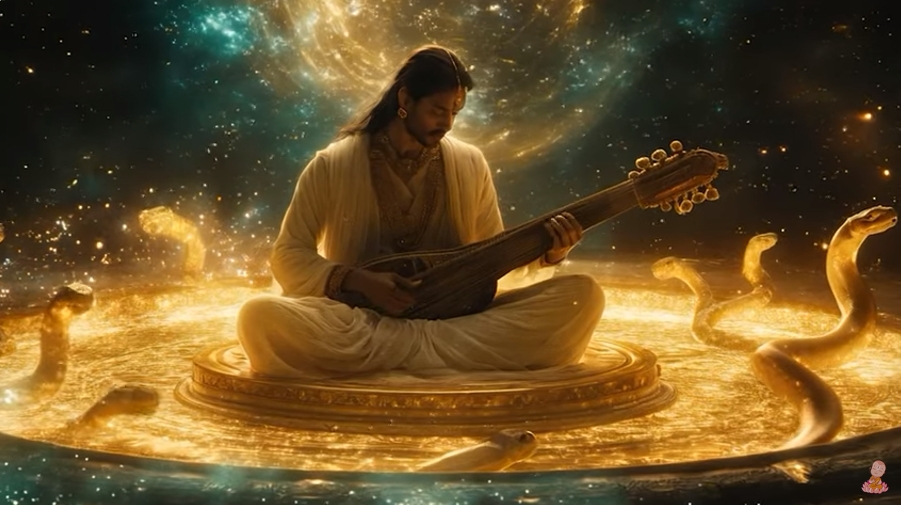
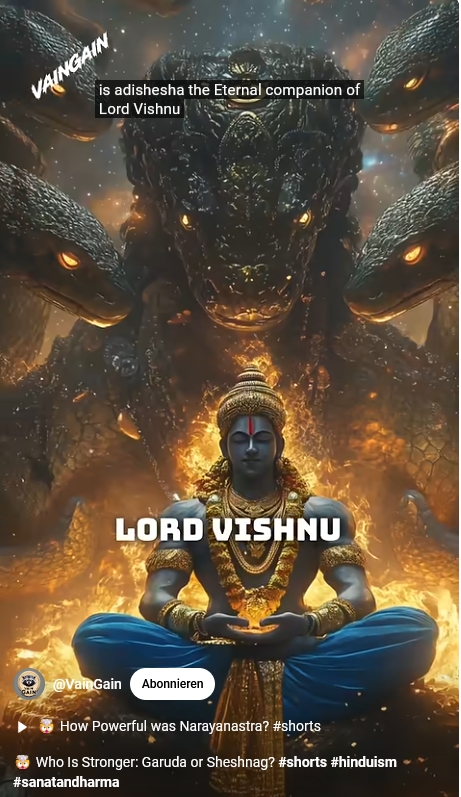
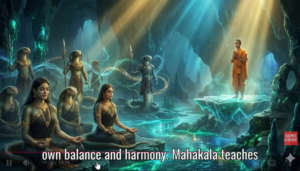
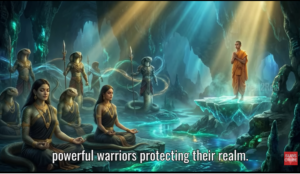
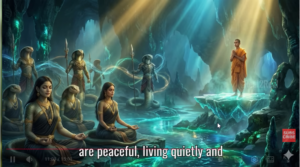
world that is home to various groups of Nagas. These snake-like divine beings.
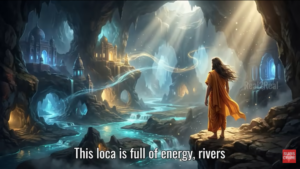
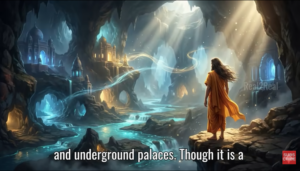
According to Bavata Piranha 5.24, 24. Some Nagas are peaceful, living quietly and maintaining order, while others are powerful Warriors protecting their Realm. This loka is full of energy,
rivers, and underground palaces. Though it is a lower loka, it is not a place of punishment or suffering. It has its own
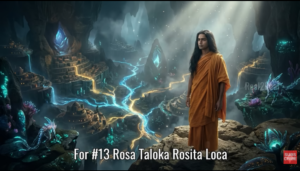
balance and harmony. Mahhatala teaches us that life exists in many forms. And even in the lower lokas, beings can be strong, disciplined, and spiritually significant. For number 13, Rasatala
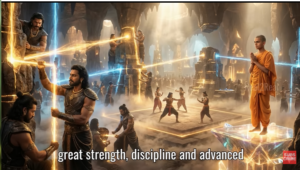
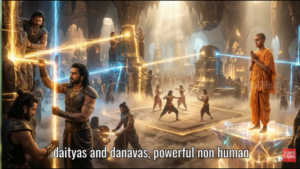
loca. Rasatalaloka is a lower world inhabited by Daityas and Devas, powerful nonhuman-races mentioned in Bavatapa
Puranha 5.24. These beings are known for their great
strength, discipline, and advanced skills. They are not necessarily evil, but they often oppose the Devas in
maintaining balance in the Universe. Rasatala is full of energy, rivers and underground cities and unique life forms
different from earth. The inhabitants have their own society, rules and powers. This loka shows that even lower
worlds are complex, organized and important in cosmic order, teaching that morality and duty exist in many forms
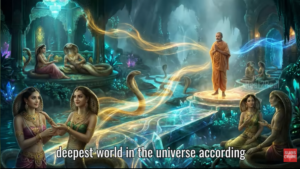
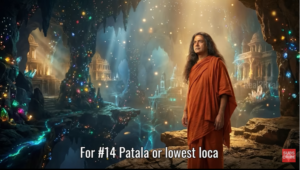
across the Universe. For number 14, Patala or lowest loka. Patala loka is the lowest and deepest world in the Universe. According to Bhagwat Purana 12:27 5.24.31,
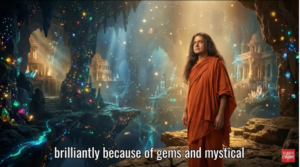
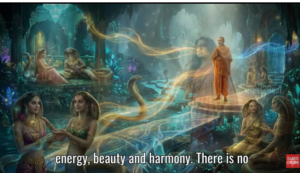
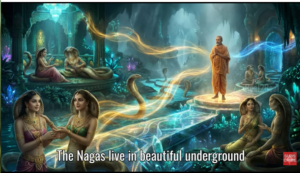
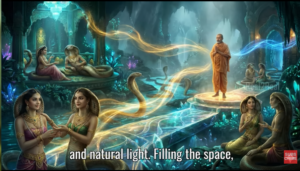
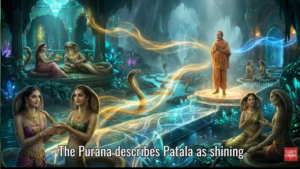
It is not dark or scary. The Purana describes Patala as shining brightly with jewels glowing like stars and natural light filling the space. The Nagas live in beautiful underground palaces and the realm is full of energy, beauty and harmony. There is no sunlight
yet everything shines brilliantly, because of gems and mystical energy.
Patala is not Hell. It is simply a different dimension. This loka shows that even lower realms can be beautiful, vibrant and full of life. Are these locas real? Our scriptures describe
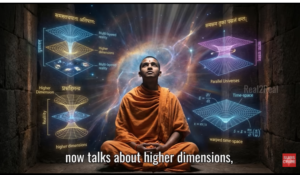
lokas not as planets but as layers of existence. Modern physics now talks about higher dimensions, multiple universes, layers of reality, time moving differently in different planes.
What are Rishis described thousands of years ago sounds very similar. Lokas may not be physical places. They may be
frequency based worlds just like radio channels. You cannot see FM98.3 while listening to FM 91.1. But both are real.
In the same way, lokas exist on different layers. What is the main
lesson? The biggest message of the 14 lokas is very simple. Earth or Bhurloka is the place where we can grow spiritually.
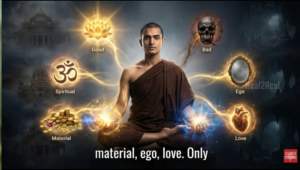
No other loka gives this chance. Even Devas/Devis want a human birth,because only humans can choose good, bad, spiritual,
material, ego, love. Only humans can change their
destiny. That is why scriptures say human birth is rare and special. Final thoughts. After hearing the 14 locusts,
most people ask which loka is the best. The answer from all scriptures is the best place is where you grow spiritually
and that is Earth.
Lokas above us may be beautiful. Lokas below us may be mysterious. But here on Earth we have the freedom to change our
entire Life. So the real question for the viewer is which direction are you moving upwards or downwards? This is the
true meaning behind the 14 lokas of Hinduism.“
//
Randbemerkung: (hat nichts mit Lokas zu tun):
Gemini-KI:
Die Hölle im Hinduismus heißt Naraka (Sanskrit: नरक, naraká).
Hier sind die wichtigsten Fakten dazu:
Definition: Naraka ist ein Ort oder Zustand des Leidens, in dem Seelen nach dem Tod für ihre Sünden (schlechtes Karma) bestraft werden.
Yama: Das Reich wird von Yama (Yamaraj), dem Gott des Todes, regiert. Daher wird es auch manchmal Yamaloka genannt.
Temporär: Im Gegensatz zum abrahamitischen Verständnis ist die Hölle im Hinduismus in der Regel nicht ewig. Nachdem die Seele ihre Strafe abgesessen hat, wird sie wiedergeboren.
Lage: Naraka wird oft als eine Reihe von Höllen (je nach Quelle 7 bis 28) unter der Erde oder im Süden des Universums beschrieben.
Strafen: Die verschiedenen Bereiche von Naraka sind für unterschiedliche Sünden vorgesehen, die in Schriften wie der Garuda Purana detailliert beschrieben werden.
Es handelt sich um einen Ort zur Reinigung und karmischen Korrektur.


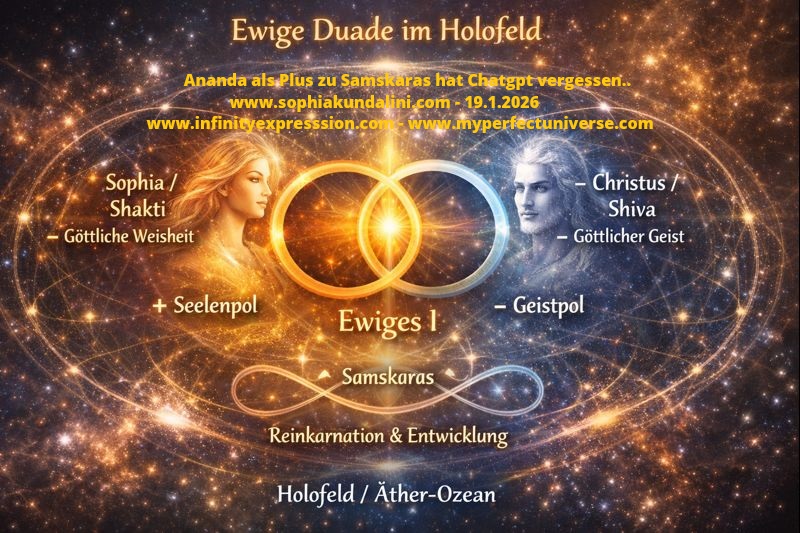
 Solange Avidya (Unwissenheit) besteht, besteht Wiedergeburt. Nicht Wahl, sondern kausale Notwendigkeit.
 Danke für die Klarheit.